Treatments & Technology
A deep, plain-language guide to the aesthetic technologies DIVA Skin Clinic Poipet uses — Pico laser, CO2 fractional, RF microneedling, chemical peels, PRP, skin boosters, exosomes, HIFU, LED, mesotherapy, botox and filler — with mechanism, indications, limits, recovery and safety.
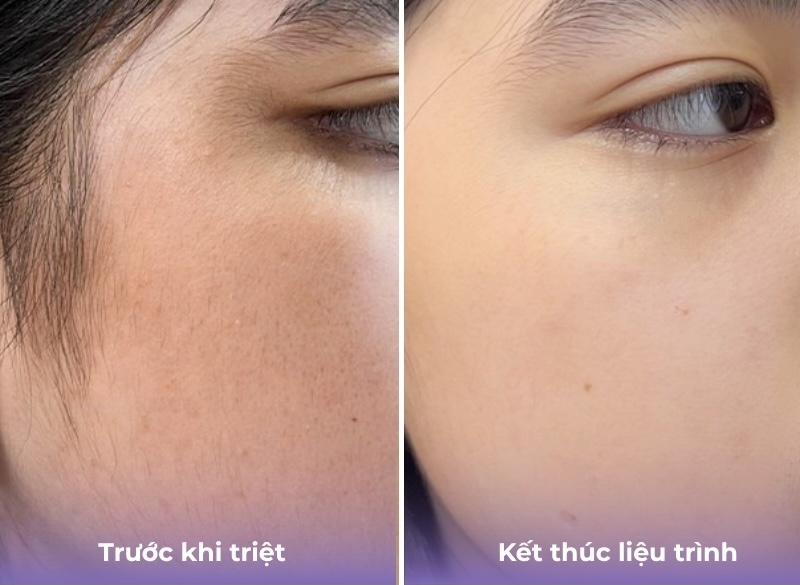
Treatments & Technology — Pico, CO2, RF, Peels, PRP, HIFU, Botox & Filler Explained — DIVA Skin Clinic Poipet
Treatments & Technology — Pico, CO2, RF, Peels, PRP, HIFU, Botox & Filler Explained — DIVA Skin Clinic Poipet
Knowledge Center — Treatments & Technology
Treatments & Technology, Explained Honestly
Pico, CO2, RF microneedling, peels, PRP, skin boosters, exosomes, HIFU, LED, mesotherapy, botox, filler — the names sound intimidating and the marketing rarely explains anything. This guide takes each one and answers the
questions that actually matter: what is it, how does it work, what concerns is it for, what are its limits, what is recovery like, and what are the real risks. It is education so a technology name stops being a mystery before
your assessment — not a menu to self-prescribe from.
Ask Which Technology Fits
All Knowledge Center Categories
Before the individual technologies, two principles run through everything on this page, because they are what separate a safe result from a damaging one.
The right depth matters more than the strongest machine
Every technology here works at a particular depth in the skin — surface, mid-layer (dermis), or the deep support layers. Matching the tool to the layer where the problem lives is what produces results. The most
powerful device in the room is not automatically the right one; used at the wrong depth or intensity, power becomes damage. This is why "which machine" is the wrong first question — "which layer, at what intensity,
on what skin" is the right one.
Technology serves the treatment direction, not the reverse
A device is a tool inside a plan, not the plan itself. DIVA decides the direction — calm, recover, resurface, rebuild, lift or refine — from your skin's actual condition, and then chooses the technology that serves it.
Choosing the flashy machine first and forcing your skin to fit it is exactly how people end up worse. If a place leads with the device and not with your skin, be cautious.
A quick map of where things work, so the sections below make sense: the surface (epidermis) is the territory of peels, LED and topical actives; the mid-layer (dermis)
, where collagen, vessels and oil glands live, is where lasers, RF, microneedling and PRP do their work; and the deep support of fat and muscle is where HIFU, filler and botulinum toxin belong. All recovery
times and session counts below are general ranges that vary from person to person and are only confirmed after an assessment — no honest figure can be given sight-unseen.
On this page
- Pico laser
- CO2 fractional laser
- RF microneedling
- Chemical peel
- PRP
- Skin booster
- Exosome
- HIFU
- LED light therapy
- Mesotherapy
- Botox (botulinum toxin)
- Dermal filler
- Combination treatments
Jump to
Frequently asked questions
·
A simple way to organise everything below
The three families of treatment
The dozen technologies on this page look overwhelming as a list, but they fall into three broad families based on how they work. Once you can place a treatment in its family, its purpose, its limits and its risks
become much easier to predict.
Family 1
Energy-based
Lasers, radiofrequency and focused ultrasound (Pico, CO2 fractional, RF microneedling, HIFU). They deliver controlled energy — light, heat or sound — to a chosen depth to break down pigment or trigger collagen and
tightening. Their power is real, which is why depth and intensity control is everything.
Family 2
Injectable & regenerative
Treatments delivered into the skin via fine needles (PRP, skin boosters, exosomes, mesotherapy, botox, filler). Some regenerate and hydrate, some relax muscle, some restore volume. Their common thread is that
sterile technique and correct placement matter a great deal.
Family 3
Surface & supportive
Treatments that work on or just at the surface, gently (chemical peels, LED, and the topical actives in your routine). They renew, clear, calm and maintain. Individually mild, they are the backbone of everyday results
and of recovery between stronger treatments.
Most good plans draw from more than one family — an energy treatment to remodel, a regenerative injectable to support healing, and gentle surface care to maintain — sequenced over time. What follows is each technology in
turn, grouped roughly in this order.
Technology 1
Pico laser
What it is & how it works — a laser that fires in extremely short (picosecond) pulses.
Instead of relying mainly on heat, these ultra-fast pulses shatter pigment into tiny particles that the body then clears away, which makes it comparatively gentle on the surrounding skin. Some Pico modes also gently stimulate
collagen.
What it targets —
pigmentation concerns: freckles, sunspots, stubborn post-acne marks, tattoo ink, and — cautiously — melasma.
Indication —
uneven tone and pigment that has not responded to topical care.
Limitation —
it is not a texture or lifting tool, and it is not a magic melasma cure; on melasma it must be used gently and conservatively because over-treatment can worsen the pigment.
Recovery —
generally low; mild redness and a temporary darkening or light flaking of treated spots over roughly a few days to a week is common, then gradual clearing.
Risk & caution —
the main risks are post-inflammatory pigmentation (especially on darker skin or if sun protection is neglected) and worsening of melasma when pushed too hard. Strict SPF 50+ afterwards is essential.
Read next:
Laser technology at DIVA
·
Why laser can make melasma worse
|
Service:
Pico laser
·
Melasma treatment
Technology 2
CO2 fractional laser
What it is & how it works —
an ablative resurfacing laser that creates a controlled grid of microscopic columns of injury into the skin ("fractional" means it treats a fraction of the surface, leaving untouched skin between the columns to speed healing). This deliberate, precise damage triggers the skin to
rebuild collagen from the dermis up, remodelling texture as it heals.
What it targets —
pitted acne scars, large pores, rough or uneven texture, and skin rejuvenation.
Indication —
textural damage that needs genuine collagen remodelling, not just surface brightening.
Limitation —
it is a serious, deeper treatment — not a lunchtime facial — and results build gradually over weeks to months as collagen matures; it will not erase a scar to perfectly smooth.
Recovery —
this is the higher-downtime treatment on this page: expect redness and a raw, warm feeling for a few days, followed by light flaking and peeling, with sun sensitivity for a couple of weeks; the exact course varies with intensity.
Risk & caution —
because it is ablative, the risks of prolonged redness, post-inflammatory pigmentation and — if aftercare is neglected — infection are real, which is why disciplined recovery (soothing care, no picking of flakes, strict sun avoidance) is part of the treatment.
It is used carefully or avoided on unstable, sensitive or melasma-prone skin.
Read next:
Acne scar treatment (CO2, RF microneedling)
·
Technology & devices at DIVA
|
Service:
CO2 fractional laser
·
Acne scar treatment
Technology 3
RF microneedling
What it is & how it works —
fine needles create tiny controlled channels in the skin while delivering radiofrequency energy to warm the dermis at a precise depth. The combination of micro-injury plus controlled heat stimulates collagen and tightening more powerfully than needling alone, while largely sparing the
surface, so it suits a wider range of skin tones than heavy ablative lasers.
What it targets —
pitted acne scars, large pores, rough texture, early laxity and fine lines, and overall skin quality.
Indication —
texture and mild firmness concerns where a deeper stimulus than a peel is needed but full ablative downtime is not wanted.
Limitation —
it is a gradual, collagen-building treatment done over a course, not a single dramatic fix, and it does not lift deep sagging the way HIFU targets.
Recovery —
generally moderate and shorter than CO2: redness and a mild swollen, tight feeling for one to three days, sometimes tiny pinpoint marks, settling over a few days.
Risk & caution —
temporary redness, swelling and, uncommonly, pinpoint bruising or breakouts; done on inflamed or barrier-damaged skin it can aggravate rather than help, so skin condition is assessed first.
Read next:
Acne scar treatment
·
Pores & rough texture
|
Service:
RF microneedling
·
RF lifting
Technology 4
Chemical peel
What it is & how it works —
a controlled application of an exfoliating acid — the acid family is chosen for the concern (for example gentler mandelic or lactic acids, or salicylic acid for oily, acne-prone skin) — that loosens and removes dead surface cells and unclogs pores, encouraging fresher, more even skin to
surface. It works on the epidermis, and gentler versions can be repeated regularly.
What it targets —
active acne and congestion, post-acne marks, dull and uneven tone, and body areas such as underarms and knees.
Indication —
surface-level concerns and maintenance, and a supporting step within acne and pigmentation plans.
Limitation —
a peel works on the surface, so it will not remodel deep scars or lift sagging; results come from a sensible course, not one aggressive session.
Recovery —
generally light: some tingling during, then mild redness and light flaking over roughly three to five days for gentle peels.
Risk & caution —
the honest caution here is that "stronger" is not "better" — overly aggressive peels, or peels stacked on already-irritated skin, can trigger post-inflammatory pigmentation, especially on darker or melasma-prone skin, which is exactly why DIVA
favours gentle, well-judged peels over harsh ones and always pairs them with sun protection.
Read next:
Pigmentation treatment
·
Why acne keeps coming back
|
Service:

Acne peel treatment
·
Dark spots treatment
Technology 5
PRP (platelet-rich plasma)
What it is & how it works — a small amount of your own blood is drawn and spun in a centrifuge to concentrate the platelets and their natural growth factors. This platelet-rich plasma is then applied or micro-injected into the skin, where those growth factors signal repair — supporting collagen
production and tissue healing. Because it comes from your own body, it is a regenerative rather than a foreign substance.
What it targets —
skin rejuvenation, ageing and dullness, support for acne-scar treatment, and recovery of tired or depleted skin; it is often paired with microneedling.
Indication —
skin that needs a regenerative boost or faster, better-quality healing alongside another treatment.
Limitation —
it is a supportive, gradual treatment — it enhances and speeds results rather than dramatically resurfacing or lifting on its own — and results build over one to two months.
Recovery —
generally short: mild redness and pinpoint swelling for one to three days when injected.
Risk & caution —
as a needle-based procedure the main considerations are pinpoint bruising, swelling and the standard need for sterile technique; being autologous keeps allergy risk low.
Read next:
PRP & regenerative treatments
|
Related service:
Microneedling
·
Acne scar treatment
Technology 6
Skin booster
What it is & how it works — a series of tiny micro-injections of hyaluronic acid (and sometimes other hydrating and skin-conditioning ingredients) delivered evenly across the face. Unlike a filler, it is not placed to add shape or volume in one spot — it is spread through the skin to deeply hydrate it from
within, improving plumpness, smoothness and that light-reflecting "glow".
What it targets —
dry, dull, tired or dehydrated skin, fine surface crepiness, and a general lack of glow; often chosen for a "glass skin" quality.
Indication —
skin that is healthy in structure but lacks hydration and radiance.
Limitation —
it hydrates and refreshes; it does not lift, remove pigment, or fill deep lines, and the effect is temporary and builds over one to two weeks.
Recovery —
generally short: small injection-point marks and mild swelling for one to three days.
Risk & caution —
pinpoint bruising and swelling are common and settle; as with any injectable, sterile technique matters and makeup is avoided for the first day or two.
Read next:
Regenerative & hydrating treatments
·
Injectable treatments — complete guide
|
Service:
Skin booster
Technology 7
Exosome
What it is & how it works —
exosomes are tiny messenger particles that carry regenerative signals between cells. In skincare, exosome preparations are applied topically or delivered into the skin (often after a treatment that has created micro-channels) to send strong "repair and renew" signals, supporting
faster recovery and improved skin quality.
What it targets —
weak, sensitive or depleted skin, recovery after procedures such as laser or microneedling, and overall brightness and smoothness.
Indication —
skin that needs regenerative support and faster healing, particularly after a more intensive treatment.
Limitation —
it is a supportive, quality-improving treatment rather than a standalone fix for structural problems, and it is usually most valuable combined with another procedure.
Recovery —
generally minimal on its own, and it is often used specifically to shorten and smooth the recovery of the treatment it accompanies.
Risk & caution —
when injected or applied to open channels, sterile technique and quality of product matter; it is a newer category, so DIVA uses it as sensible support within a plan rather than overselling it as a miracle.
Read next:
Regenerative treatments explained
·
Sensitive skin & barrier repair
|
Related service:
Recovery-focused facials
Technology 8
HIFU (high-intensity focused ultrasound)
What it is & how it works —
focused ultrasound energy is delivered to precise depths beneath the skin, including the deep SMAS layer that surgeons tighten in a facelift. The energy creates tiny points of controlled heat at depth, which trigger tightening and, over the following weeks, new collagen — lifting and
firming without breaking the skin surface.
What it targets —
mild to moderate sagging and loss of firmness — a softening jawline, cheeks and neck — and overall face tightening ("V-line" firming).
Indication —
early to moderate laxity in someone who wants lifting without surgery.
Limitation —
it is for firmness and lift, not pigment, pores or acne; it cannot replace a surgical facelift for advanced sagging, and results build gradually over one to two months.
Recovery —
generally very low downtime: possible mild redness, tenderness or a slightly swollen feeling for a short time, with most people returning to normal quickly.
Risk & caution —
because it works deep, careful technique matters; temporary numbness or tenderness can occur, and prolonged numbness or unevenness is a reason to make contact. It is typically a once or twice a year treatment rather than a frequent one.
Read next:
Technology & devices at DIVA
·
Real treatment devices at DIVA
|
Service:
HIFU facelift
·
RF lifting
Technology 9
LED light therapy
What it is & how it works —
gentle, non-heat light at specific wavelengths (colours) that the skin's cells respond to. Blue light helps calm acne-related inflammation, red light supports healing, soothing and collagen, and other wavelengths target redness and recovery. It does not injure the skin — it nudges
cell activity — so it is one of the gentlest tools on this page.
What it targets —
inflamed acne, redness and irritation, and recovery of sensitive or post-procedure skin.
Indication —
calming and supporting the skin, often as an add-on within acne care or after a stronger treatment.
Limitation —
LED is a gentle supportive therapy — it
will not clear pigment, remodel scars or lift; its value is in calming and assisting, usually as part of a plan.
Recovery —
essentially none; it is comfortable and has no downtime.
Risk &
caution — very low risk, which is exactly why it pairs so well with more intensive treatments and with sensitive skin.
Read next:
Sensitive skin & barrier repair
·
Managing recurring acne
|
Related service:
Facial treatment
·
Acne treatment
Technology 10
Mesotherapy
What it is & how it works — a tailored "cocktail" of skin-nourishing ingredients — hydrating, brightening and conditioning actives — delivered through very superficial micro-injections into the skin. It puts nutrients and hydration where topical products struggle to reach, nourishing and refreshing the
skin from within.
What it targets —
dry, dull and tired skin, mild uneven tone, and general skin conditioning; brightening blends can support pigmentation care.
Indication —
skin that needs a nutrient and hydration boost, often as a supportive treatment.
Limitation —
it nourishes and freshens rather than resurfacing, lifting or removing deep pigment, and it works best as part of a broader plan over a course.
Recovery —
generally short: small injection marks and mild redness or swelling for one to three days.
Risk & caution —
pinpoint bruising and swelling are usual and settle; as with all injectables, sterile technique and sensible product choice matter.
Read next:
Injectable treatments — complete guide
|
Related service:
Skin booster
·
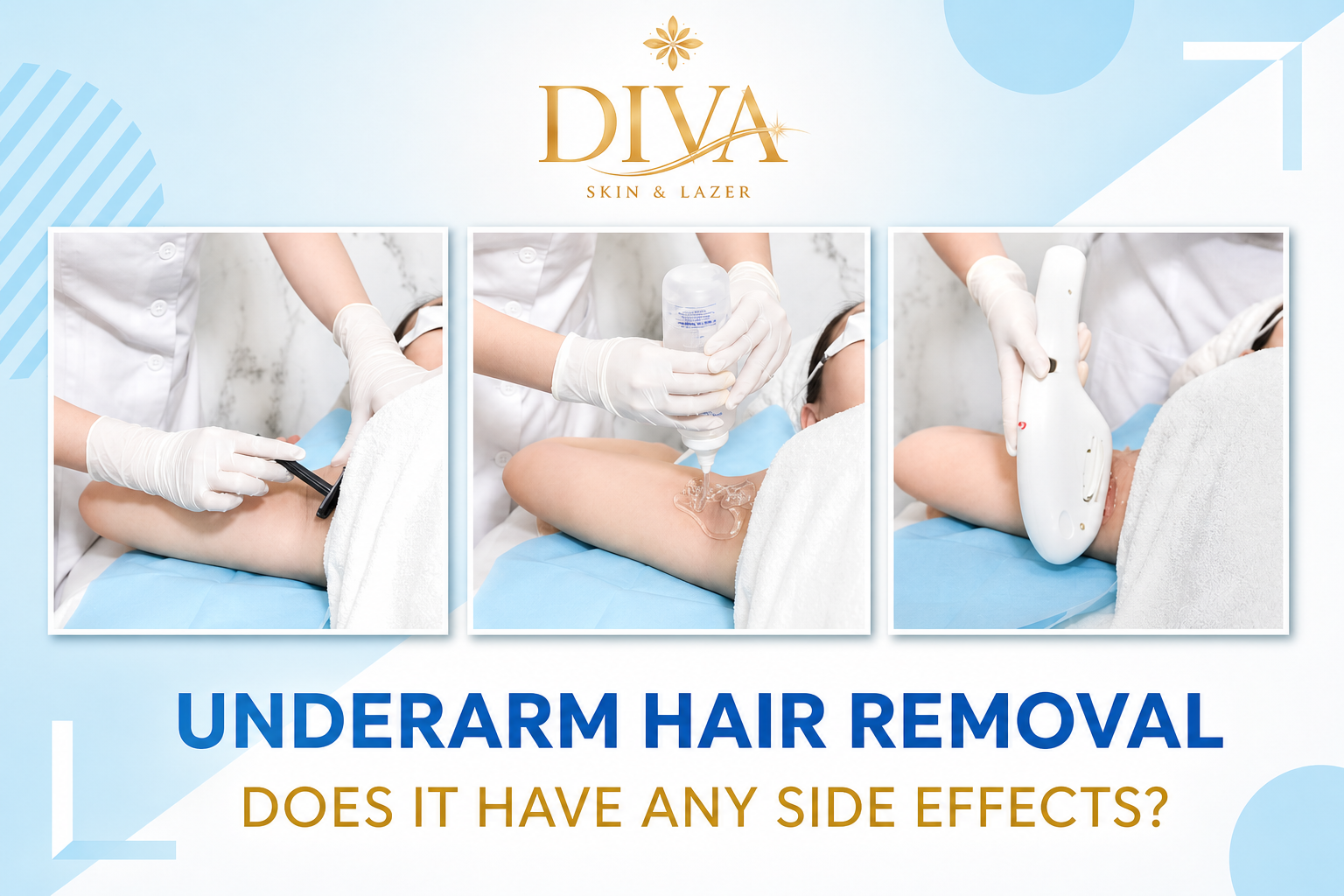
Brightening facial
Technology 11
Botox (botulinum toxin)
What it is & how it works —
a purified protein that temporarily relaxes the specific small muscles it is injected into. By softening the muscle pull that creases the skin, it smooths dynamic expression lines — and, used in other muscles, it can slim or reshape (such as a wide jaw). It works on muscle, not on the
skin's surface or pigment.
What it targets —
dynamic wrinkles (frown lines, forehead lines, crow's feet) and select shaping goals.
Indication —
lines caused by muscle movement, in a suitable candidate after consultation.
Limitation —
it relaxes movement-related lines but does not fill deep static folds or add volume (that is filler's role), and the effect is temporary — typically lasting a few months before it needs repeating.
Recovery —
generally minimal: possible small injection marks or mild redness for a short time, with normal activity soon after (avoid rubbing the area or lying flat immediately, per guidance).
Risk & caution —
when placed incorrectly it can cause temporary issues such as a drooping eyelid or an uneven or "heavy" expression until it wears off — which is precisely why careful assessment and correct technique matter, and why this is not a treatment to shop for on price alone.
Read next:
Botox vs filler
·
Injectable treatments — complete guide
|
Service:
Botox
·
Botox & filler
Technology 12
Dermal filler
What it is & how it works — a gel (most commonly hyaluronic acid) injected into specific points to restore lost volume, support sagging areas, or refine shape and contour — for example softening deep folds, restoring cheek volume, or defining the chin or nose. Unlike a skin booster, which spreads hydration
through the skin, filler is placed deliberately to add structure where it is needed.
What it targets —
volume loss, deep static folds, and contouring or shaping goals.
Indication —
hollowing or structural softening in a suitable candidate after thorough consultation.
Limitation —
it adds volume and shape but does not relax expression lines (that is botox) or improve skin texture and pigment; hyaluronic-acid fillers are temporary and are gradually absorbed.
Recovery —
generally short: swelling and some bruising for two to three days is common, settling over roughly a week.
Risk & caution —
filler carries the most serious rare risk on this page and it deserves a clear-eyed explanation below.
Important safety note — vascular occlusion
The rare but serious complication of filler is vascular occlusion
— filler accidentally blocking or compressing a blood vessel, which cuts off blood supply to an area of skin (and, in the most serious cases involving certain regions, threatens more). This is a genuine medical emergency where minutes
matter. Warning signs to act on immediately include: severe or disproportionate pain, skin that turns pale, white, blotchy or dusky/blue, skin that feels cold, and — as a red flag needing emergency attention — any sudden
vision change. If these occur, it is treated as urgent: contact your practitioner without delay, because hyaluronic-acid filler can be dissolved and prompt action is what protects the tissue. This is exactly why
filler should only be done by a properly trained, experienced practitioner who can recognise and manage this, never chosen on price or convenience alone.
Read the full guidance:
Filler vascular
occlusion — emergency warning signs
.
Read next:
Botox vs filler
·
Filler emergency signs
·
Injectable treatments — complete guide
|
Service:
Dermal filler
·
Botox & filler
Technology 13
Combination treatments
What it is —
real skin rarely has just one problem, and no single technology does everything, so the most effective plans usually combine methods — sequenced correctly over time. This is where the two principles at the top of the page matter most: the combination is built around your treatment direction, using
each tool at the depth it belongs, not by stacking every available machine at once.
Common, sensible pairings include: gentle Pico with mild brightening peels for pigmentation; CO2 fractional or microneedling combined with PRP for pitted scars, so healing and collagen are supported; acne peels with blue
LED for active breakouts; HIFU or RF for firmness alongside skin boosters for hydration and glow; and recovery-focused support such as LED or exosomes layered onto more intensive treatments to smooth the healing.
The limitation and caution —
combining treatments is powerful but must be spaced and ordered correctly; doing too much at once, or on skin that has not been recovered first, is how people get hurt. The guiding order is almost always the same:
recover and stabilise the skin, then treat the concern
— which is the heart of DIVA's 3-phase approach. Recovery and session counts for a combined plan vary widely and are only set after assessment.
Read next:
The 3-phase skin treatment system
·
Laser technology at DIVA
|
More:
DIVA treatment philosophy
·
Compare treatments
Putting it together
How DIVA chooses the technology for you
Notice what every section above has in common: the technology is described in terms of the layer it works on, the concern it fits, and the limits and risks it carries — never as a one-size-fits-all miracle. That is deliberate.
The choice of technology comes last, after three things are understood: the actual condition and stability of your skin, the specific concern and the layer it lives in, and a realistic goal. A device is then selected — often
more than one, sequenced over time — to serve that plan.
This is also why the honest answers to common questions are so consistent: results build gradually, counts and downtime are ranges that vary by person and are confirmed only after assessment, and no treatment is a permanent,
risk-free cure. Anyone leading with the strongest machine and the biggest promise — rather than with your skin — is selling the device, not the result. To go deeper on how the direction is decided, see the
DIVA treatment philosophy
and the public write-up of the
3-phase skin treatment system
; to match a concern to a direction, see the
Skin Concerns guide
.
Quick reference
Which technology tends to fit which concern
This is a general orientation only — not a prescription. Real plans are built for the individual, often combine methods, and always depend on your skin's condition. But it helps to see, at a glance, which tools usually sit
behind which concern.
Pigmentation & uneven tone
Gentle Pico laser, mild brightening peels, iontophoresis and brightening mesotherapy — always with strict sun protection, and always gently on melasma-prone skin.
See melasma & pigmentation
.
Acne & congestion
Acne-focused peels, blue LED to calm inflammation, and careful extraction — supported by a maintenance routine.
See acne
.
Pitted scars & texture
CO2 fractional laser and RF microneedling, often combined with PRP to support healing and collagen — over a course, with results building over weeks.
See scars
.
Large pores & oil
Clarifying facials and gentle peels to keep pores clear, plus collagen-stimulating RF microneedling to firm the surrounding skin.
See pores
.
Dull, dry, tired skin
Skin boosters and mesotherapy for hydration and glow, mild brightening peels for freshness, PRP or exosomes for regeneration.
See dull skin
.
Firmness, sagging & ageing
HIFU and RF for lifting and firming, collagen support from microneedling and boosters, and — after consultation — botox for expression lines and filler for volume.
See ageing
.
Weak, sensitive or damaged skin
Gentle, calming support first — red LED, exosomes, recovery-focused care — and no aggressive treatment until the barrier is stable.
See sensitive skin
.
Lines & volume
Botox relaxes movement-related lines; filler restores lost volume and contour. Different tools, different jobs — often complementary.
Botox vs filler
.
Honest limits
When a treatment is not right — contraindications & cautions
Just as important as knowing what a technology can do is knowing when it should wait or be avoided. A responsible clinic will sometimes tell you not to have a treatment — or not yet — and that is a good sign, not a lost
sale. These are general cautions; your own suitability is always confirmed at assessment.
Unstable or damaged skin comes first
Active, inflamed breakouts, a broken or over-exfoliated barrier, sunburn, or steroid-damaged skin generally need to be calmed and recovered before lasers, strong peels or aggressive treatment are safe.
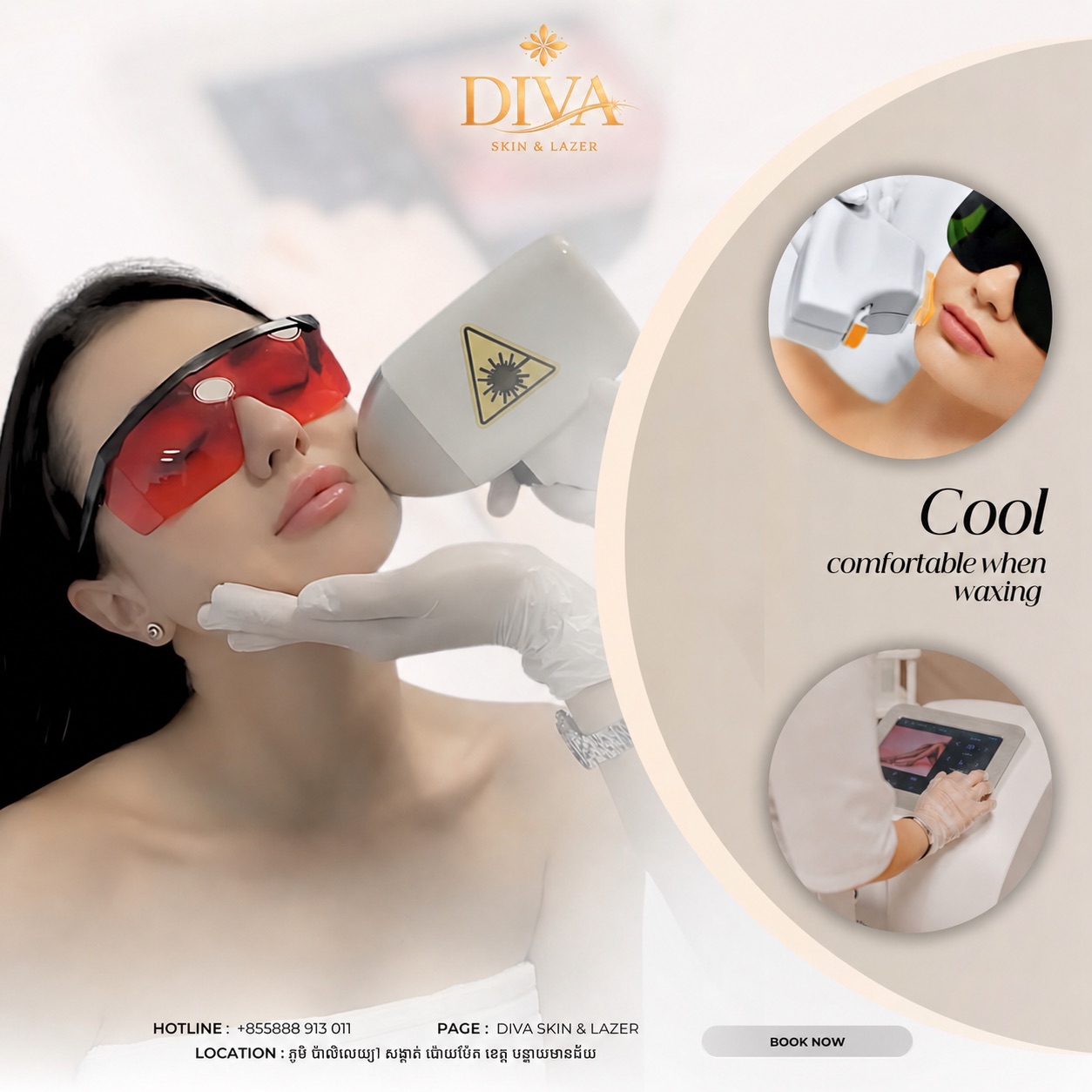
Treating on top of unstable skin is a common cause of things getting worse.
Melasma-prone and darker skin: go gentle
Aggressive lasers and harsh peels can trigger post-inflammatory pigmentation or worsen melasma, especially on richer skin tones. The direction here is conservative intensity, careful tool choice and relentless sun
protection — not maximum power.
Pregnancy & breastfeeding
Many treatments and strong actives (such as retinoids and strong acids) are generally avoided during pregnancy and breastfeeding, with only gentle options considered. Always disclose this, and expect a more
cautious plan.
Certain health conditions & medications
Active skin infections or cold sores in the area, a tendency to keloid scarring, some medical conditions and certain medications can make a given treatment unsuitable or need extra care. This is exactly what an honest
consultation is for — please share your history.
There is also a caution about ingredient stacking that overlaps with these treatments: strong actives should not be carelessly combined — for example a retinoid alongside strong acids, or acidic vitamin C with an AHA in the
same session — because that irritates the skin and undermines recovery. Around any procedure, the safest routine is usually gentle and repair-focused: a mild cleanser, soothing and hydrating ingredients, and daily SPF 50+,
pausing strong actives for the window your practitioner advises.
Before you decide
Downtime, sessions and questions worth asking
Three honest habits protect you more than any single device choice. First, treat every downtime and session figure as a range that varies by person
— the numbers on this page are general orientation, and your real figures come from an assessment of your skin. Second, expect most results to build gradually
:
collagen remodelling and pigment clearing happen over weeks to months, and the "instant transformation" framing is a warning sign, not a feature. Third, remember that most results are maintained rather than permanent
— injectables wear off, collagen is topped up, and pigmentation needs ongoing sun protection to hold.
When you consult anywhere — including DIVA — these are fair questions to ask, and a good clinic welcomes them:
Why is this specific technology right for my concern and skin type? What depth or layer does it work on?
What is the realistic recovery, and what is normal versus a warning sign afterwards? What are the honest limits — what will it not do? Is my skin stable enough to treat now, or should we recover it first? And who do I
contact, and how quickly, if something feels wrong? If the answers are vague, or if the reply is simply "our machine is the strongest", that tells you something important.
For pre- and post-treatment care by treatment type, and what a normal reaction looks like, see the
Treatment Guides & Aftercare library
and aftercare support
.
The part that decides your result
Technology is only half the result — home care is the other half
It is tempting to think of a result as something a machine does to you in the clinic. In reality, what you do between and after sessions decides as much of the outcome as the treatment itself. A course of laser, needling or
peels creates the opportunity; a consistent, sensible daily routine is what lets the skin actually hold and build on it. This is why DIVA treats home care as part of the plan, not an afterthought — and why skipping it is the
most common reason people feel a treatment "didn't work".
The core of good home care is unglamorous and consistent: a gentle cleanser, the targeted serum for your concern used as directed, a barrier-supporting moisturiser, and daily broad-spectrum SPF 50+ — the single most important
product for protecting any pigment, laser or peel result. Around procedures, the routine simplifies further to soothing, hydrating repair ingredients such as panthenol, hyaluronic acid and ceramides, with strong actives
paused for the window your practitioner advises and absolutely no picking or peeling of flaking skin. Sleep, not smoking, and staying hydrated are quietly doing work too, especially for anyone on long or night shifts.
The honest framing that runs through this whole page applies here as well: skin is managed and maintained over time, not fixed once and forgotten. The clients who get the best long-term results are the ones who pair the
right technology with steady daily care and realistic patience — which is exactly the partnership DIVA is set up to support. For the treatment-by-treatment routines, see the
Treatment Guides & Aftercare library
.
Frequently asked questions
Treatments & technology — common questions
Which is better — Pico, CO2 or RF microneedling?
+
None is "better" in general; they do different jobs at different depths. Pico is a pigment tool, CO2 fractional is a deeper resurfacing tool for texture and scars, and RF microneedling builds collagen and mild firmness with less downtime than CO2. The right one depends entirely on your concern, your skin type and its current condition — which is what an assessment establishes.
Isn't the strongest machine always the most effective?
+
No — and this is one of the most damaging myths. Every technology works at a specific depth and intensity, and used too strongly or at the wrong depth, power becomes injury rather than benefit. The right depth and the right plan for your skin matter far more than raw power. Technology serves the treatment direction, not the other way around.
How much downtime should I expect?
+
It varies a lot by treatment. Gentle peels, LED, skin boosters and PRP are generally low downtime (roughly a few days of mild redness or flaking at most), CO2 fractional laser has the most (redness and peeling for several days). All of these are general ranges — your actual recovery depends on the intensity used and how your skin responds, and is discussed before treatment.
How many sessions will I need?
+
Genuinely varies by concern, severity and response — many concerns are worked through over several sessions spaced one to a few weeks apart, then maintained. Collagen and pigment treatments in particular build gradually over weeks to months. Any exact number given without seeing your skin is a guess; DIVA gives a realistic range after assessing you.
What is the difference between a skin booster and a filler?
+
A skin booster is spread through the skin as many tiny micro-injections to hydrate and add glow all over, without changing shape. A filler is placed deliberately at specific points to restore volume or refine contour. Boosters improve skin quality; fillers change structure. They are different tools for different goals.
Is filler dangerous?
+
Filler is generally well tolerated, but it carries one rare, serious risk — vascular occlusion, where a vessel is blocked. That is why it must only be done by a properly trained, experienced practitioner who can recognise the warning signs (severe pain, skin turning pale or dusky, cold skin, any sudden vision change) and act immediately. Please read the dedicated guide on emergency signs, and never choose filler on price alone.
Can these treatments be combined?
+
Yes, and the best plans usually do combine methods — but sequenced correctly and spaced properly, always built around your treatment direction rather than stacking everything at once. The guiding rule is to recover and stabilise the skin first, then treat the concern. Doing too much on unprepared skin is how results go wrong.
Why do I need an assessment before you tell me the exact treatment?
+
Because the same concern can have different causes and live at different depths, and because your skin's current condition decides what is safe. Recommending a specific device, count or price without seeing your skin would be guessing. Send a clear photo and description to start the conversation, and the plan is confirmed at assessment.
Are results permanent?
+
No treatment stops ageing or gives a permanent, risk-free result. Many results are excellent but maintained over time — injectables wear off and need repeating, collagen treatments are topped up, and pigmentation needs ongoing sun protection to hold. Honest expectation-setting is part of good practice.
Is laser safe for darker skin tones?
+
It can be, but it needs care. Darker and melasma-prone skin is more susceptible to post-inflammatory pigmentation, so the tool, the depth and the intensity have to be chosen conservatively, and sun protection afterwards is essential. This is precisely why the assessment considers your skin type, not just your concern — and why "gentle and correct" beats "strong" every time.
Do I need to stop any skincare before a treatment?
+
Often yes — strong actives such as retinoids and strong acids are usually paused for a window before and after many treatments so the skin is calm and recovers well, and you should never stack irritating actives together around a procedure. The specific timing depends on the treatment and is given to you as part of the pre-treatment guidance. When in doubt, ask before you treat.
How do I know if a clinic is being honest with me?
+
Good signs: they assess your skin before recommending anything, they explain limits and risks rather than only benefits, they are willing to say "recover first" or "this isn't right for you", and they give session counts and downtime as ranges that depend on you. Warning signs: leading with "the strongest machine", promising a permanent or one-session cure, and pressure to decide on the spot.
Technology Hub
All Services
Skin Concerns
Treatment Philosophy
Compare Treatments
All Categories
FAQ
Want to know which technology actually fits your skin?
Send a clear photo and describe your concern. DIVA will explain the suitable direction, the realistic recovery, and the honest limits — technology chosen to serve your skin, not the other way around.
Send Skin Photos on WhatsApp
Message DIVA on Telegram
Share this page
Send useful treatment information to someone you trust.
Share
Copy link
DIVA Skin Clinic Poipet
Personalized treatment based on real skin condition.
DIVA provides individualized skin, laser and aesthetic treatment direction based on the client's actual condition, treatment priority, recovery capacity and realistic goals.
Poipet, Cambodia
Receive clients by prior contact.
+855 88 476 8999
@diva_glow_poipet
@diva_glow_poipet
View DIVA on Google Maps
Full contact page
Treatments
Acne Treatment
Acne Scar Treatment
Pico Laser
CO2 Fractional Laser
Skin Booster
IV Whitening
Back Acne Treatment
Laser Hair Removal
View All Treatments →
Knowledge & Support
DIVA Knowledge Center
DIVA Insights
Skin Concerns
Research & Updates
Treatment Guides & Aftercare
Real Treatment Case Studies
DIVA Treatment Philosophy
About DIVA
DIVA Skin Notes
FAQ
Nguyen Hai Dang
© 2026 DIVA Skin Clinic Poipet. All rights reserved.
Educational content by
Nguyen Hai Dang
— Founder & Treatment Practitioner.
Privacy Policy
Terms
Client Support
Website information is educational and does not replace individual assessment or medical care. Treatment suitability and results vary between clients.
x

What Is Pico Laser? Mechanism, Indications, Limitations, Recovery, and Combination
What Is Pico Laser? Mechanism, Indications, Limitations, Recovery, and Combination. DIVA Poipet explains How Pico laser
Open→
CO₂ Fractional — When Is It Suitable for Scars, Pores, and Skin Texture?
CO₂ Fractional — When Is It Suitable for Scars, Pores, and Skin Texture? DIVA Poipet explains How CO₂ Fractional works a
Open→
RF Microneedling — Deep Treatment, but Not Every Skin Type Is Suitable
RF Microneedling — Deep Treatment, but Not Every Skin Type Is Suitable. DIVA Poipet explains How it works and Common ind
Open→
Chemical Peel — More Peeling Does Not Necessarily Mean Better Results
Chemical Peel — More Peeling Does Not Necessarily Mean Better Results. DIVA Poipet explains How peels work and Common in
Open→
PRP and PRF — Their Actual Role in Skin Recovery and Regeneration
PRP and PRF — Their Actual Role in Skin Recovery and Regeneration. DIVA Poipet explains What are PRP and PRF? and Common
Open→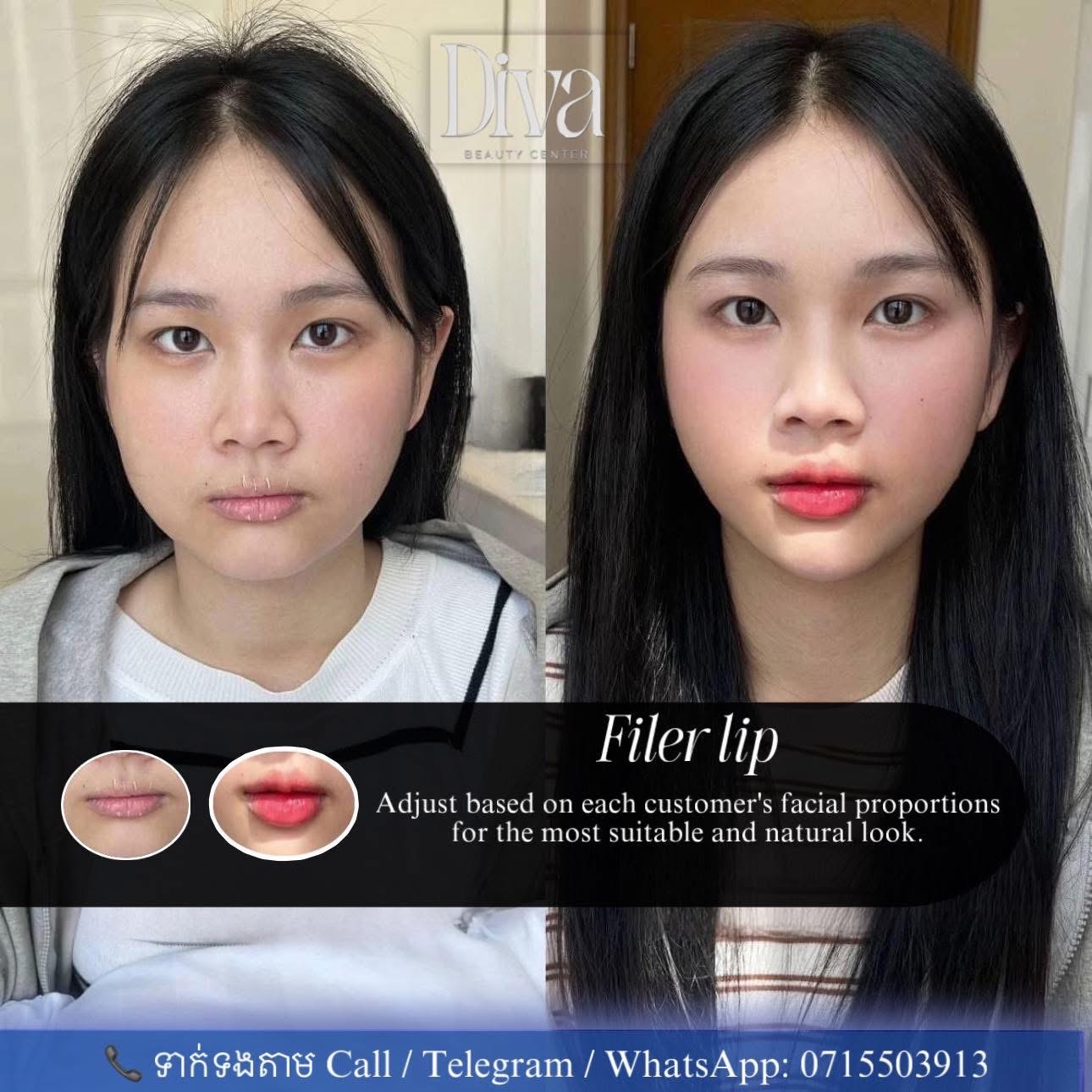
Skin Booster — Hydration and Better Skin Quality, but Not Filler
Skin Booster — Hydration and Better Skin Quality, but Not Filler. DIVA Poipet explains How does skin booster work? and C
Open→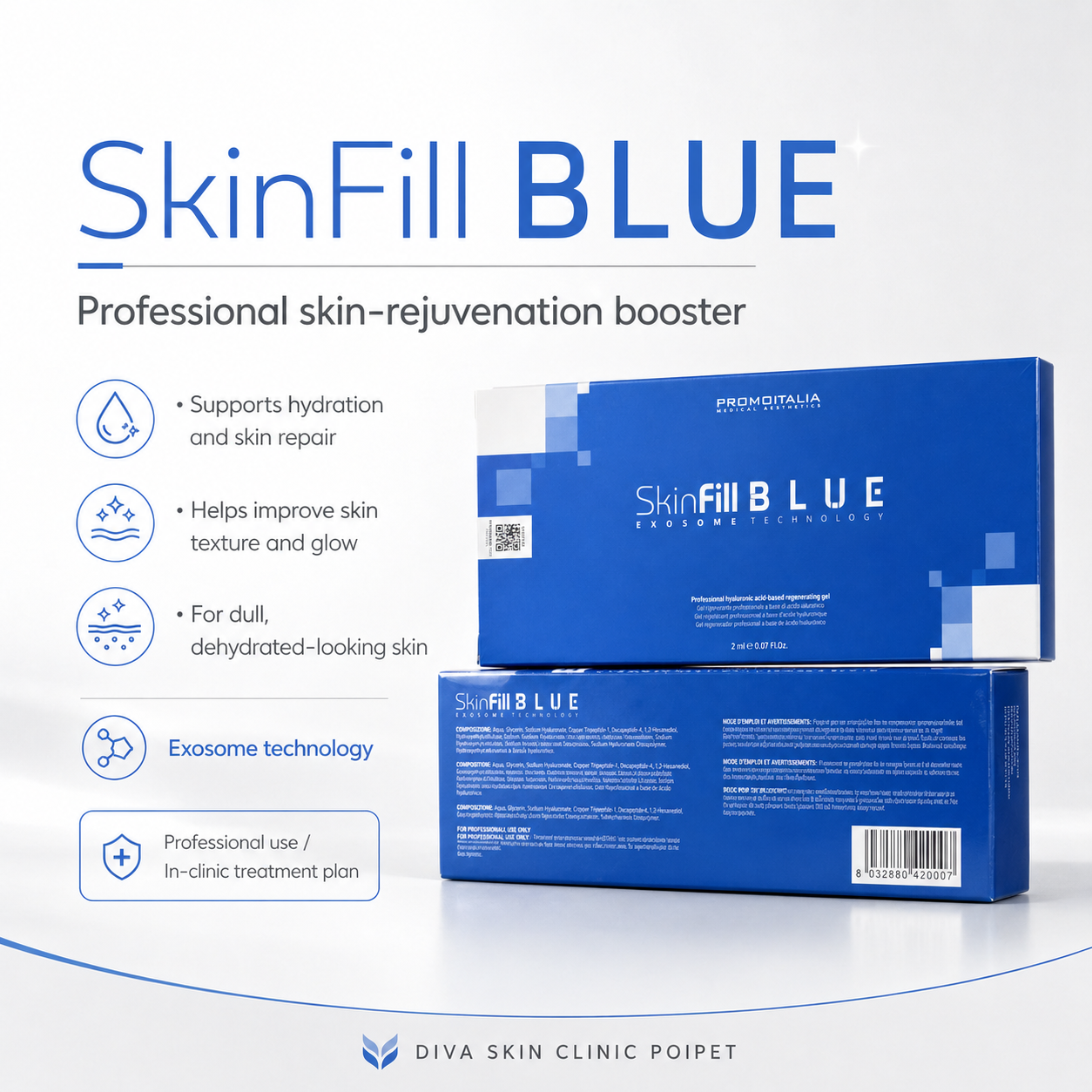
Exosomes in Aesthetics — Potential, Limitations, and What Needs Checking
Exosomes in Aesthetics — Potential, Limitations, and What Needs Checking. DIVA Poipet explains What are exosomes? and Wh
Open→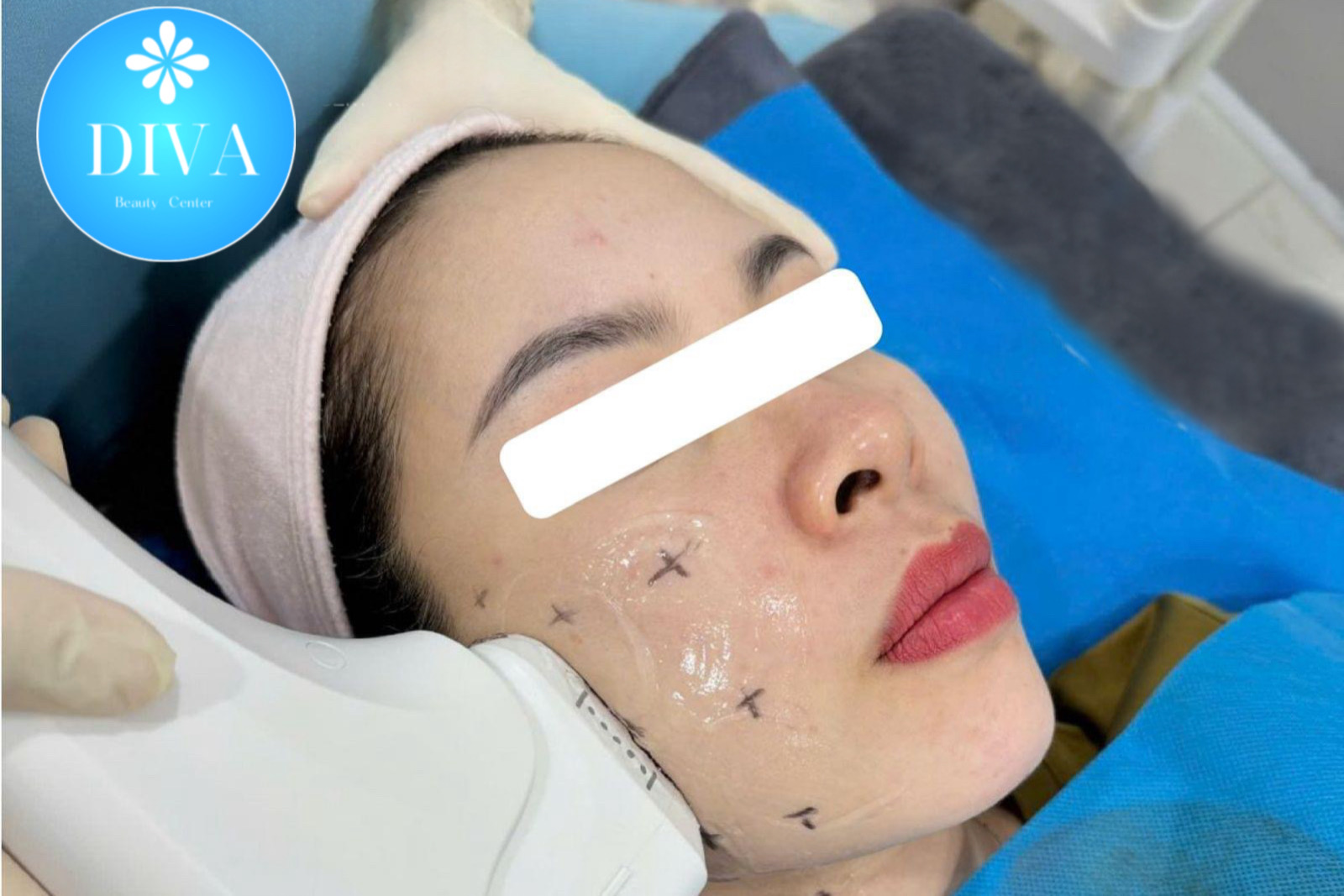
HIFU — More Shots Do Not Necessarily Create Better Lifting
HIFU — More Shots Do Not Necessarily Create Better Lifting. DIVA Poipet explains How HIFU works and Who may be suitable?
Open→
Botox — Uses, Limitations, Risks, and Why It Should Not Be Injected According to Trends
Botox — Uses, Limitations, Risks, and Why It Should Not Be Injected According to Trends. DIVA Poipet explains How it wor
Open→
Filler — Contouring Has Limits and Risks That Cannot Be Taken Lightly
Filler — Contouring Has Limits and Risks That Cannot Be Taken Lightly. DIVA Poipet explains How does filler work? and Co
Open→
LED in Skin Care — A Supportive Method, Not the Main Treatment Force
LED in Skin Care — A Supportive Method, Not the Main Treatment Force. DIVA Poipet explains Basic mechanism and Common in
Open→
Why Methods Need to Be Combined — and When Combination Becomes Excessive
Why Methods Need to Be Combined — and When Combination Becomes Excessive. DIVA Poipet explains Why might one method not
Open→
How Do DPL and IPL Differ in Skin Treatment?
How Do DPL and IPL Differ in Skin Treatment? DIVA Poipet explains Article 01 | Suggested URL and How is the mechanism un
Open→Which Vascular Concerns Can a 980 nm Laser Address?
Which Vascular Concerns Can a 980 nm Laser Address? DIVA Poipet explains Article 02 | Suggested URL and How does a 980 n
Open→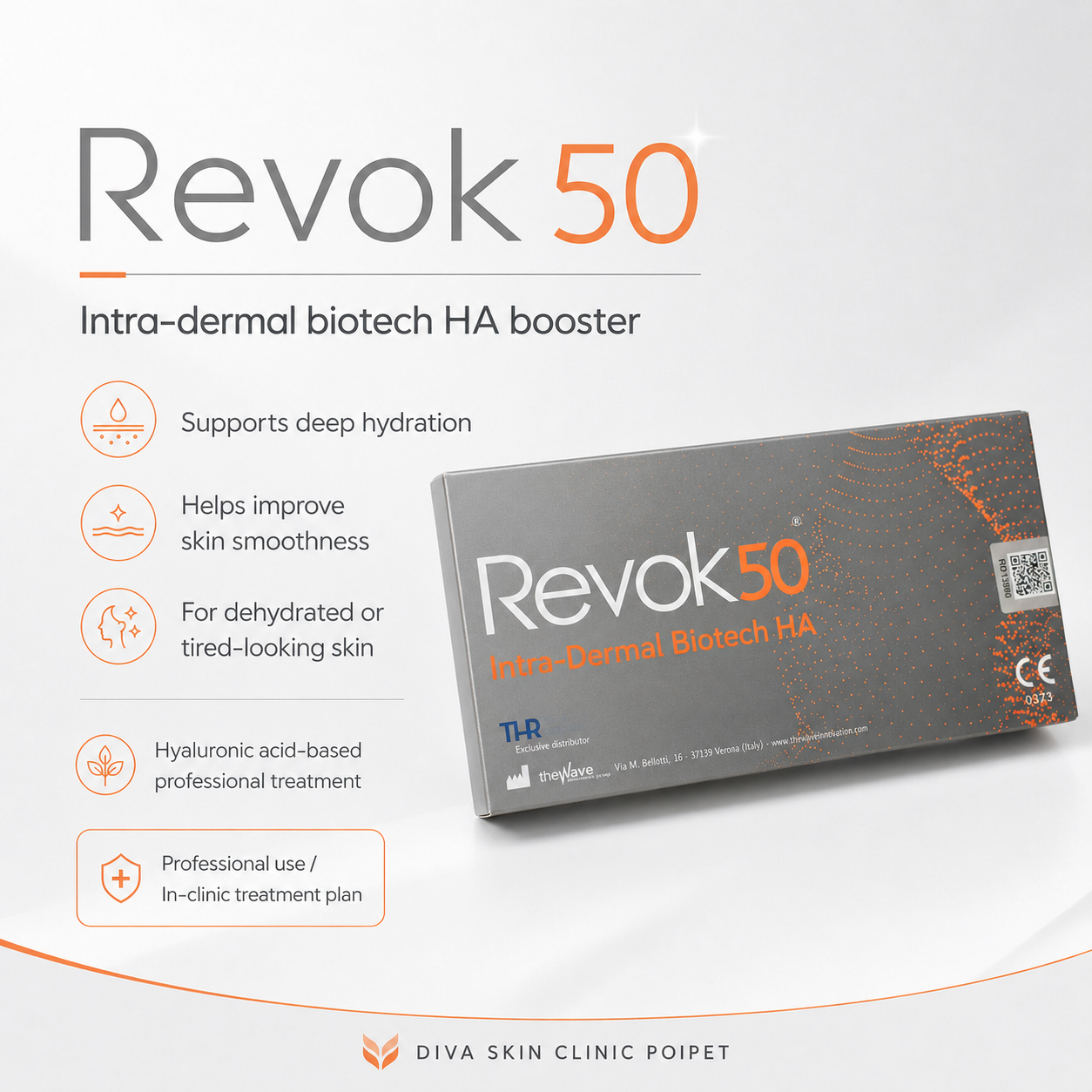
What Is Mesotherapy, and Why Is Injecting More Active Ingredients Not Always Better?
What Is Mesotherapy, and Why Is Injecting More Active Ingredients Not Always Better? Practical guidance and realistic ne
Open→How Does Iontophoresis Support Skin Treatment?
How Does Iontophoresis Support Skin Treatment? DIVA Poipet explains Article 04 | Suggested URL and Basic principle.
Open→
Is Aqua Peel Only Deep Cleansing?
Is Aqua Peel Only Deep Cleansing? DIVA Poipet explains Article 05 | Suggested URL and How does Aqua Peel work?.
Open→How Does Cold Air Cooling Help During Laser Treatment?
How Does Cold Air Cooling Help During Laser Treatment? DIVA Poipet explains Article 06 | Suggested URL and Support mecha
Open→What Can a Skin-Analysis Device Tell You, and What Can It Not Tell You?
What Can a Skin-Analysis Device Tell You, and What Can It Not Tell You? DIVA Poipet explains Article 07 | Suggested URL
Open→How Do Salicylic, Mandelic, and Glycolic Differ?
How Do Salicylic, Mandelic, and Glycolic Differ? DIVA Poipet explains Article 09 | Suggested URL and Salicylic acid.
Open→
How Do Acne Peels and Pigmentation Peels Differ?
How Do Acne Peels and Pigmentation Peels Differ? DIVA Poipet explains Article 10 | Suggested URL and The objective of an
Open→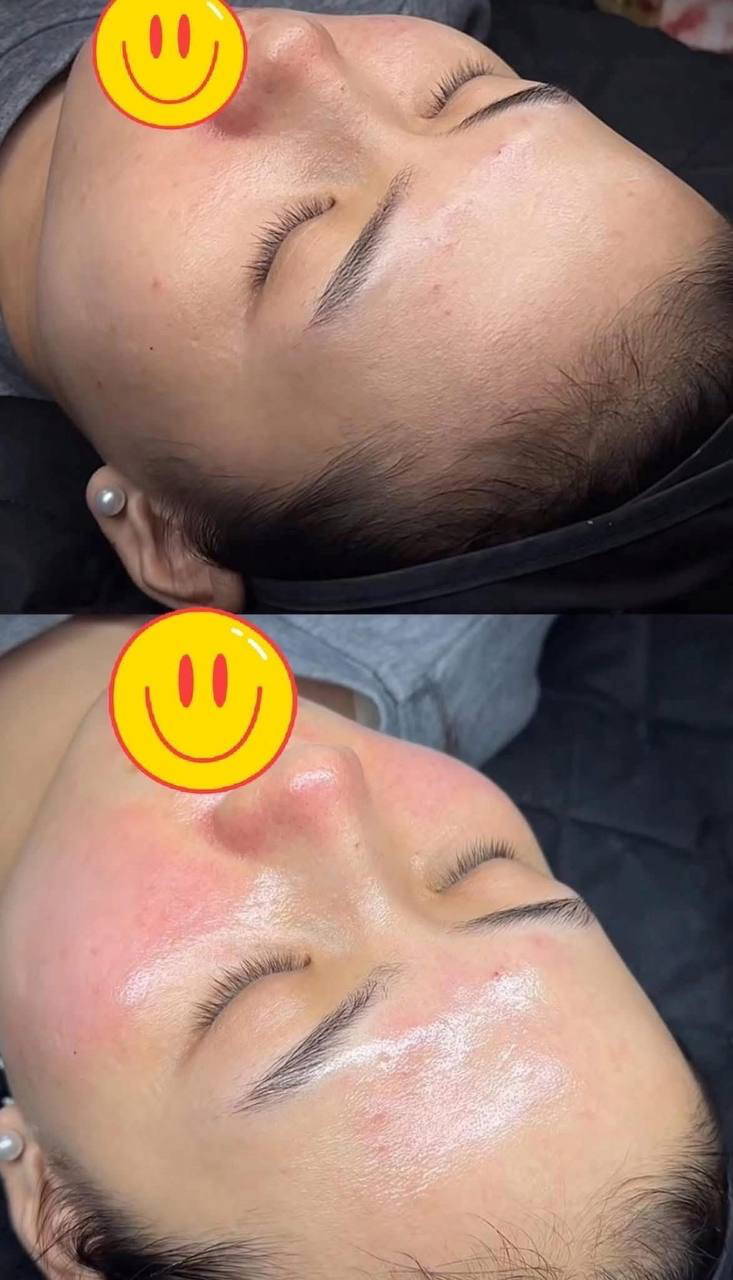
How Suitable Is a TCA Peel, and What Are Its Limitations?
How Suitable Is a TCA Peel, and What Are Its Limitations? DIVA Poipet explains Article 12 | Suggested URL and What level
Open→A Peel Does Not Always Cause Obvious Peeling
A Peel Does Not Always Cause Obvious Peeling. DIVA Poipet explains Why Does the Degree of Peeling and What Benefits Can
Open→
Why Should Weakened Skin Not Start With a Strong Peel?
Why Should Weakened Skin Not Start With a Strong Peel? DIVA Poipet explains What Is the Role of the Skin and What Happen
Open→Why Does Downtime Differ After a Peel?
Why Does Downtime Differ After a Peel? DIVA Poipet explains Depth of Impact and Baseline Skin and the Barrier.
Open→
Is a Stronger Peel Really Better?
Is a Stronger Peel Really Better? DIVA Poipet explains Effectiveness Has an Optimal Range and Why Do Clients Often Want
Open→How Are Pico 755 nm and 532 nm Selected Differently?
How Are Pico 755 nm and 532 nm Selected Differently? DIVA Poipet explains The 532 nm Wavelength and The 755 nm Wavelengt
Open→
CO₂ Fractional and RF Microneedling Do Not Completely Replace Each Other
CO₂ Fractional and RF Microneedling Do Not Completely Replace Each Other. DIVA Poipet explains How Does CO₂ Fractional W
Open→Swipe to view more videos · Real treatment media from DIVA. Individual results vary.

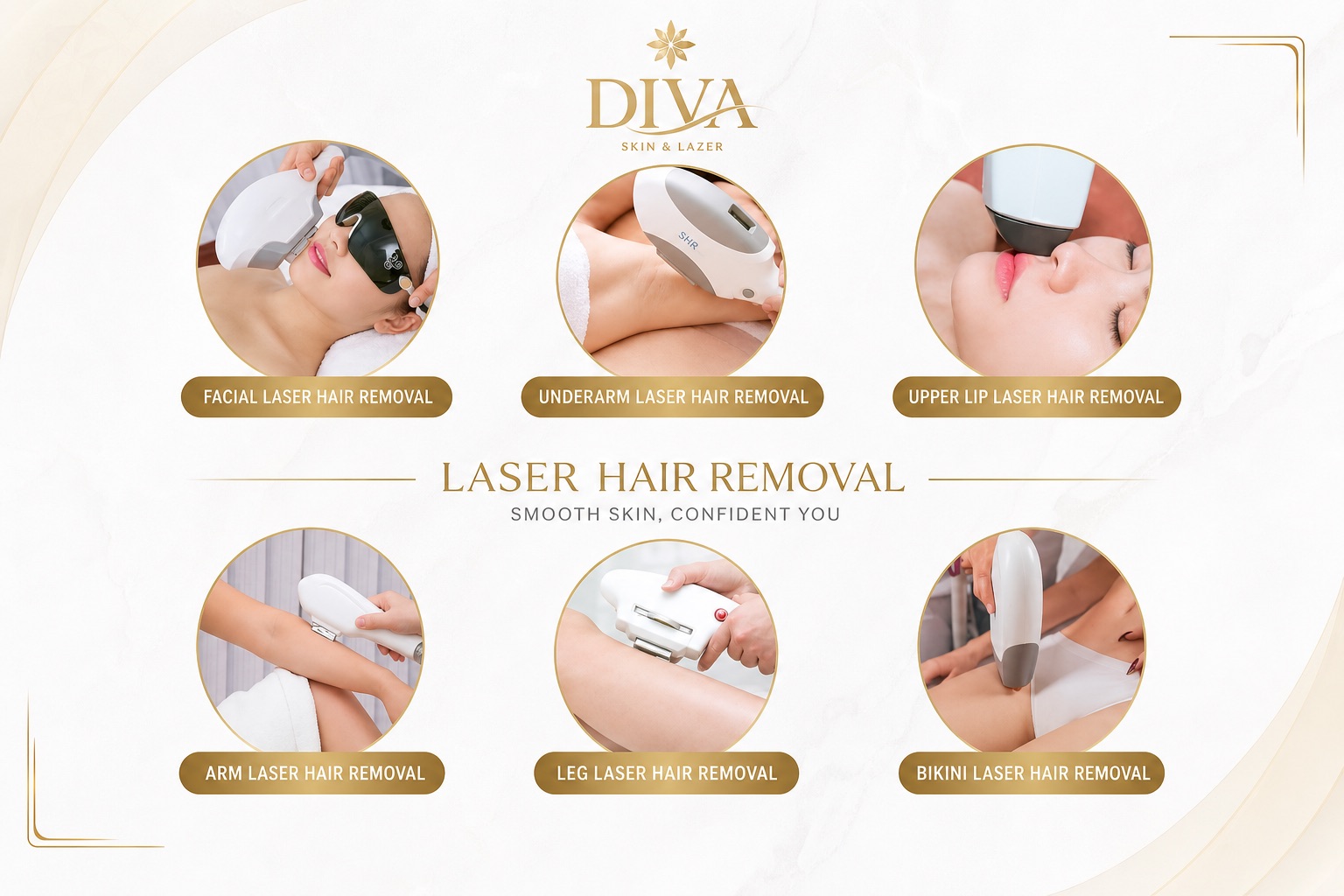
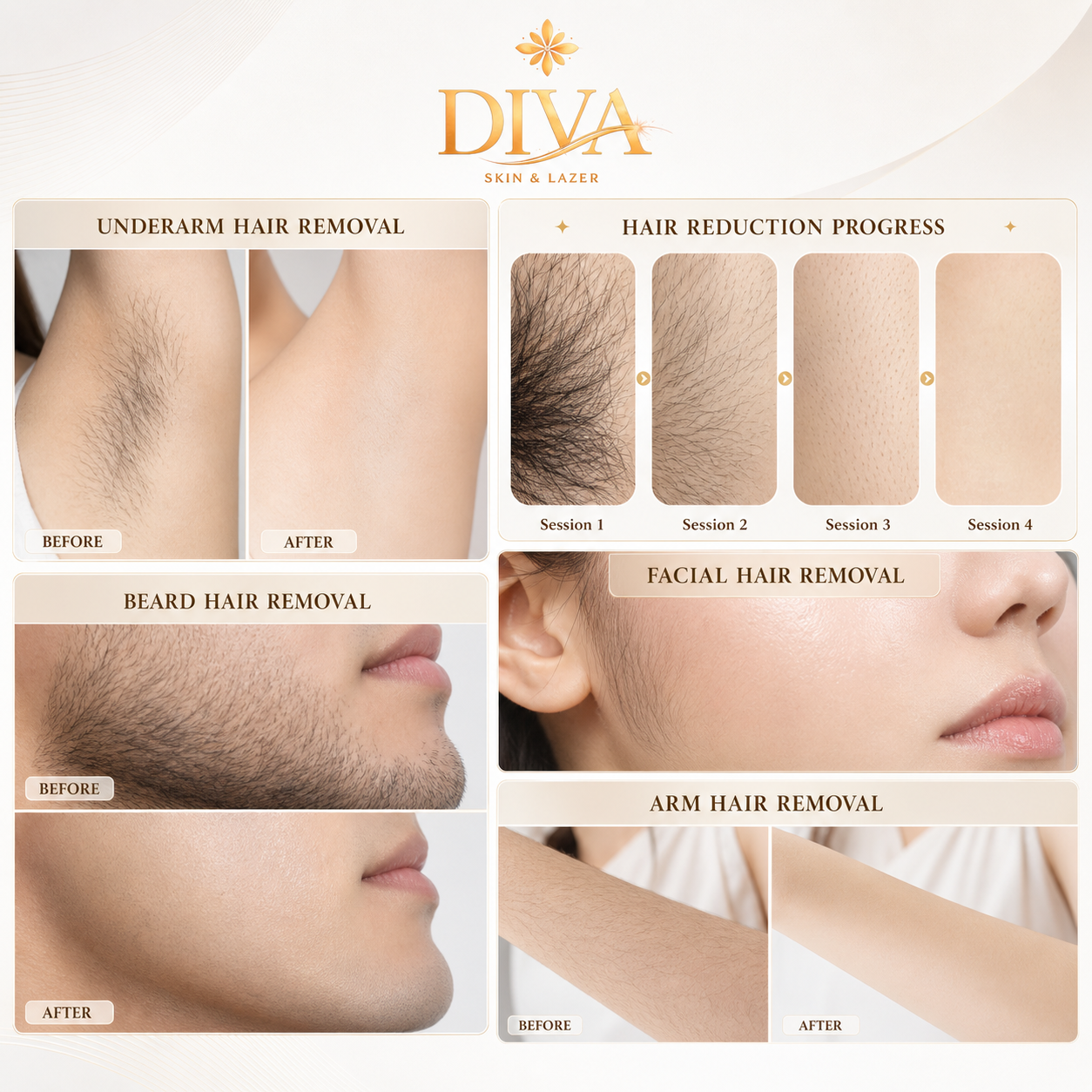

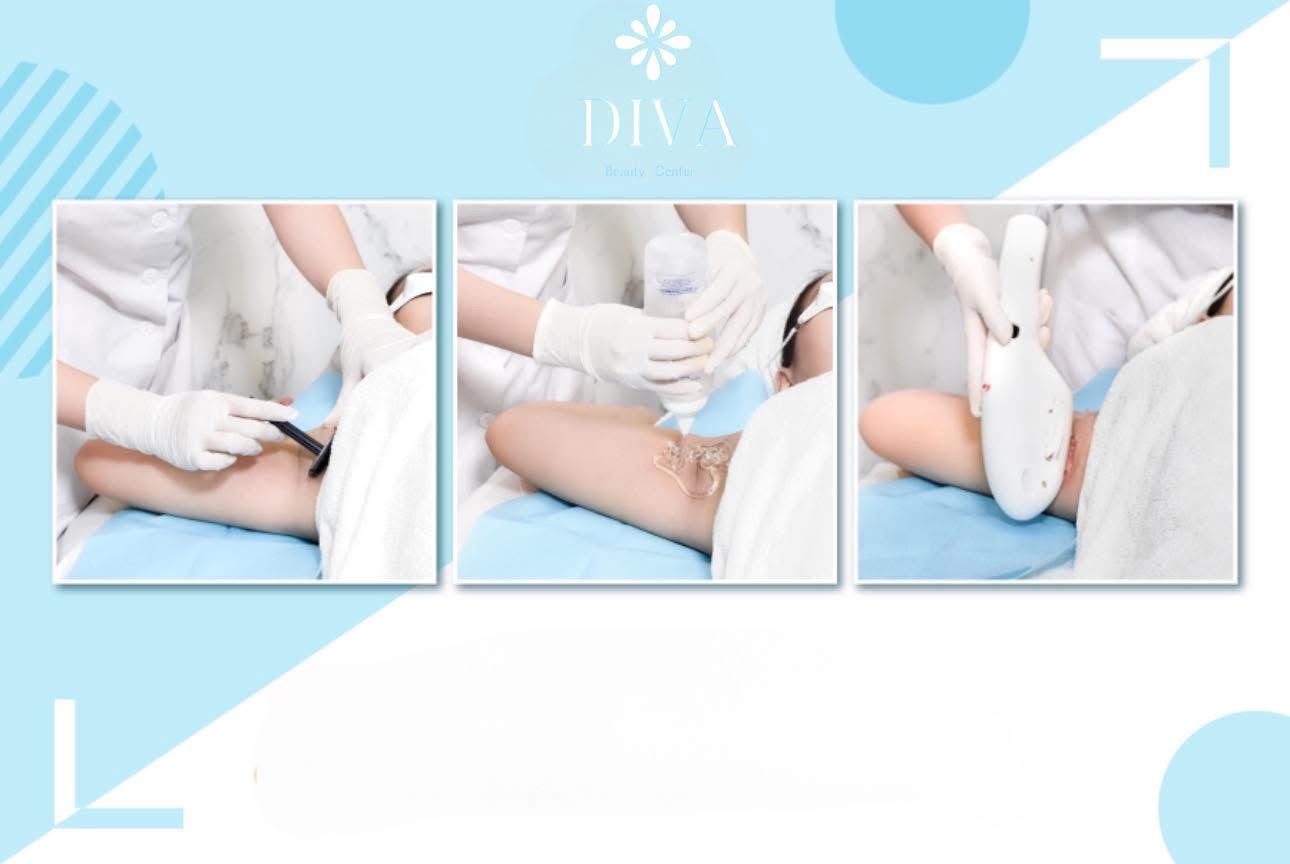


Swipe to view more · Selected real media from DIVA. Individual results vary; images are for treatment reference.