Why Does Downtime Differ After a Peel?
Why Does Downtime Differ After a Peel? DIVA Poipet explains Depth of Impact and Baseline Skin and the Barrier.

Introduction
Two people who receive the same peel can have completely different downtime. One person may have only mild dryness, while another has obvious peeling or temporary darkening. This difference does not necessarily show that one person had a stronger or more effective treatment. Downtime is the result of impact depth, peel type, baseline skin, treatment area, aftercare, and individual response. Understanding this helps clients avoid comparing their photos with others and avoid self-intervening while skin is recovering normally.
Depth of Impact
Superficial peels commonly cause redness, tightness, or fine flaking; deeper peels may create darkening, crusting, and obvious peeling. Depth depends not only on concentration but also on pH, solvent, number of layers, contact time, and skin preparation. Therefore, the same acid name in different formulations can create different downtime. DIVA assesses reactions based on the specific product and baseline skin, rather than predicting only from the percentage of active ingredient. The goal is appropriate depth, not maximum depth.
Baseline Skin and the Barrier
Dry, sensitive, retinoid-using, or over-treated skin commonly reacts more strongly. Thick, oily skin may peel less even when the peel is working. Skin tone and tendency toward PIH also affect the course after inflammation. People with a healthy barrier usually recover more steadily. Therefore, recovery before a peel can make downtime easier to control. If baseline skin is ignored, the same procedure can be safe for one person but excessive for another.
Treatment Area

Facial, neck, back, underarm, and leg skin differ in thickness, friction, and recovery speed. Areas around the mouth and nose may peel more visibly because of movement, while other areas may only become dry. The body usually recovers more slowly than the face and is more prone to dark marks from friction. DIVA adjusts the plan by area and does not apply one predicted timeframe to the whole body. Clients need to know which areas may darken or crust in order to prepare suitable care.
Aftercare Following a Peel
Picking peeling skin, scrubbing, using hot water, exercising excessively, or returning to acids too early can prolong downtime. Conversely, overly occlusive moisturising or applying many unfamiliar products can cause congestion and inflammation. Good aftercare does not make peeling stop immediately, but it helps recovery remain stable and reduces complication risk. DIVA provides guidance according to the actual level of peel. Clients should not copy another person’s routine simply because they received a service with the same name.
Individual Response
Age, sleep, environment, medication, habits, and overall health affect recovery speed. Some people have little redness but peel later; others become noticeably red and then settle quickly. The response after a previous session is also important data for adjusting the next one. DIVA does not treat downtime as a fixed number. If a client needs to return to work quickly, the goal and peel level can be adjusted to fit their schedule rather than forcing unnecessary downtime.
Normal and Abnormal Reactions
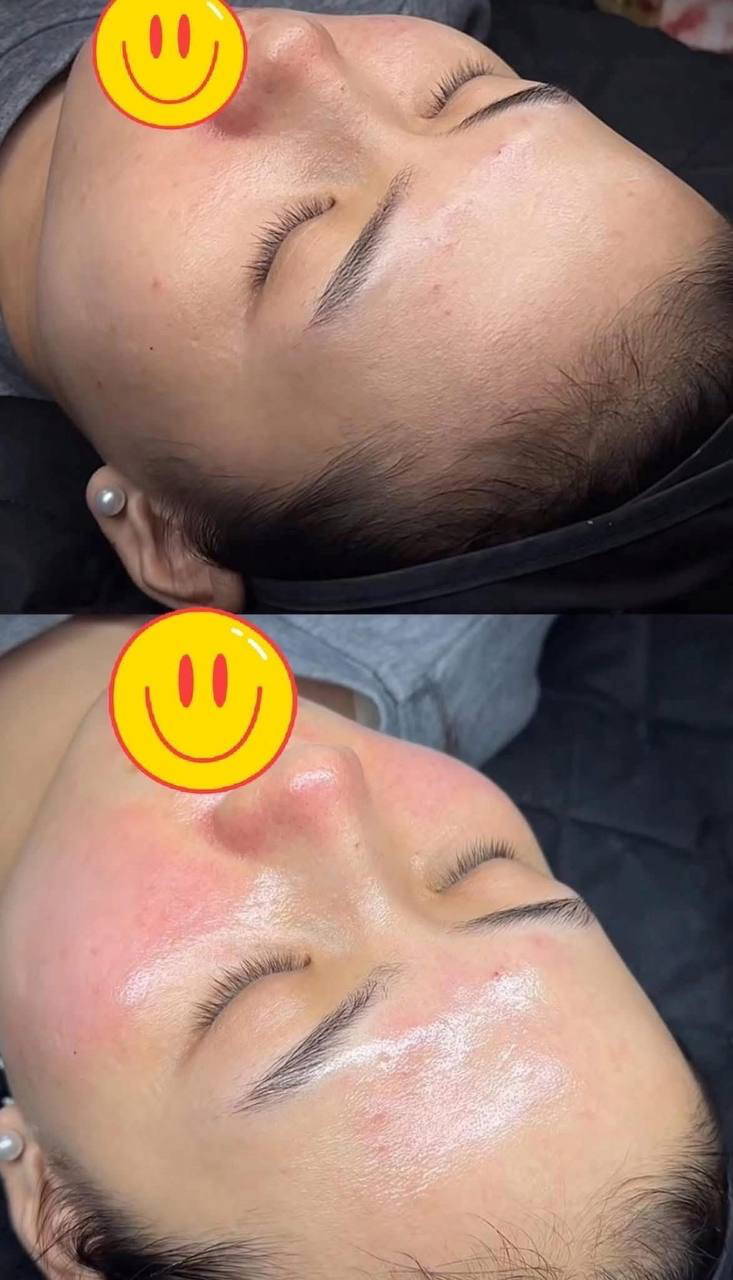
Dryness, tightness, mild stinging, temporary darkening, and peeling can be within the expected process. Increasing pain, blistering, spreading redness, discharge, unusual odour, progressive swelling, or fever need assessment. Clients should contact DIVA rather than wait because they think a peel must hurt. An abnormal reaction handled early is usually easier to control. DIVA clearly distinguishes at-home monitoring guidance from situations needing medical assessment or emergency care.
Is Downtime Directly Related to Effectiveness?
No. A low-downtime peel can still be effective for mild congestion or surface concerns; a high-downtime peel may be necessary for deeper goals but may also be excessive. Effectiveness must be assessed by the main concern after skin has recovered, not by the number of days of peeling. Trying to prolong downtime to prove that a service is strong is not a safe approach. DIVA prioritises sufficient impact and cumulative results rather than an impressive reaction.
Conclusion
Downtime after a peel differs because of many factors, from formulation to baseline skin and aftercare. There is no exact recovery timeline that applies to everyone. At DIVA, clients are told the expected course and signs requiring contact, while the plan is still adjusted according to actual response. Starting with one suitable session helps understand how skin recovers before deciding the next level of impact.
Nguyen Hai Dang - Founder & Treatment Practitioner
Treatments & Technology
A deep, plain-language guide to the aesthetic technologies DIVA Skin Clinic Poipet uses — Pico laser, CO2 fractional, RF
Open→
What Is Pico Laser? Mechanism, Indications, Limitations, Recovery, and Combination
What Is Pico Laser? Mechanism, Indications, Limitations, Recovery, and Combination. DIVA Poipet explains How Pico laser
Open→
CO₂ Fractional — When Is It Suitable for Scars, Pores, and Skin Texture?
CO₂ Fractional — When Is It Suitable for Scars, Pores, and Skin Texture? DIVA Poipet explains How CO₂ Fractional works a
Open→
RF Microneedling — Deep Treatment, but Not Every Skin Type Is Suitable
RF Microneedling — Deep Treatment, but Not Every Skin Type Is Suitable. DIVA Poipet explains How it works and Common ind
Open→