Why Should Weakened Skin Not Start With a Strong Peel?
Why Should Weakened Skin Not Start With a Strong Peel? DIVA Poipet explains What Is the Role of the Skin and What Happens When a Peel Is Too.

Introduction
When dullness, acne, or dark marks persist, many people want to choose a strong peel to see rapid change. However, if the skin barrier is weakened, strong impact can make the issue more complicated. Weak skin is not only a feeling of thinness; it can present as redness, burning, prolonged peeling, dehydration, small breakouts, or reactions to many products. In this state, the ability to control inflammation and recover is reduced. A strong peel can create additional injury before skin has enough capacity to repair itself.
What Is the Role of the Skin Barrier?
The skin barrier helps retain water, limit irritants, and regulate inflammatory reactions. When it is weakened, applied substances can penetrate more easily and less predictably, and burning sensations increase. The same peel may create a mild reaction on healthy skin but cause a burn or prolonged inflammation on weak skin. Therefore, assessing surface health is as important as diagnosing acne or pigmentation. If only the concern needing treatment is considered while recovery capacity is ignored, the plan can fail.
What Happens When a Peel Is Too Strong?
Skin may develop prolonged redness, patchy peeling, burning pain, blisters, or discharge. After the acute stage, the risk of post-inflammatory hyperpigmentation, acne flares, and chronic sensitivity increases. Some people have to stop all treatment products for a long period, making progress much slower than recovering first would have. A strong reaction also makes it difficult to identify the cause because skin may react to aftercare products as well. DIVA does not consider this a sign that the peel is working well.
Signs That Recovery Is Needed First
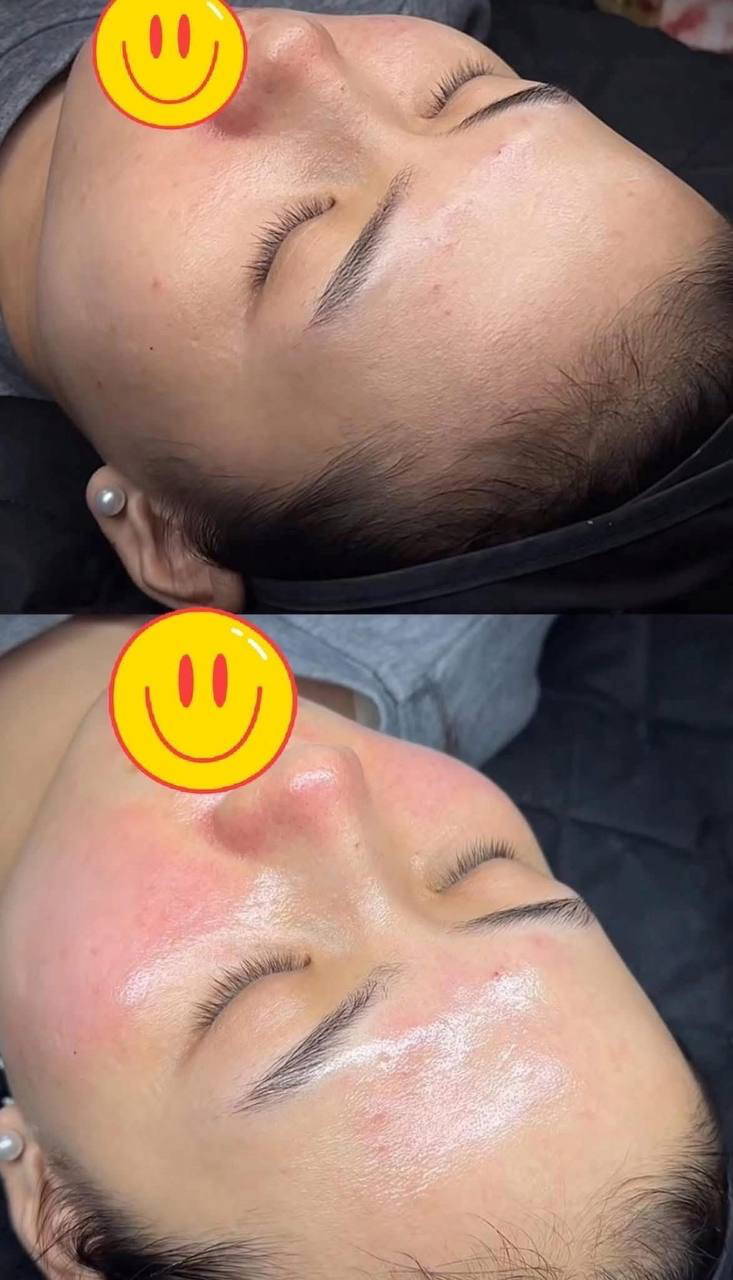
Burning during cleansing, unexplained peeling, persistent redness, dry tightness with oil production, stinging with moisturiser, or recent use of multiple acids and retinoids are signs requiring caution. A history of peels, laser, or creams with unclear ingredients is also important. If skin has infection, dermatitis, or atypical lesions, suitable medical assessment is needed. DIVA may request a temporary stop to treatment products and a move to a minimal routine before considering a peel.
Recovery Does Not Mean No Treatment
The recovery stage is part of treatment, not pointless delay. Its goal is to reduce underlying inflammation, increase stability, and make skin responses more predictable. When the skin base improves, a light peel or other technology can create results with lower risk. Many clients want to see peeling to feel that something has been done, but sometimes the best decision is not to peel yet. DIVA prioritises what skin needs, not the feeling of a strong service.
How to Restart
After skin has stabilised, DIVA reassesses the main concern and selects a lower level of impact. A suitable trial session helps observe recovery capacity. If skin responds well, the plan can gradually increase or combine methods. There is no fixed escalation schedule for everyone. Returning to at-home treatment products is also adjusted according to response. This step-by-step approach helps avoid the cycle of strong peels, irritation, recovery, and then another strong peel.
Realistic Expectations

Weak skin usually cannot recover while simultaneously receiving strong treatment for acne, pigmentation, and scars in one session. Priorities may change by stage. When redness and burning reduce, clients may notice more even skin and fewer small breakouts even before the main intervention. Long-term results are better when the skin base remains stable. DIVA does not promise a fixed timeline because the degree of injury and at-home habits differ. Patience early on often shortens the time needed to correct problems later.
Client Responsibility
Clients need to disclose products honestly, avoid self-adding acids, retinoids, or mixed creams during recovery, and report reactions early. If strong products continue to be used at home while the clinic is trying to restore skin, results will not be stable. This is not about blaming the client; it is about identifying the parts that need cooperation. DIVA is responsible for assessment, explanation, and adjustment; clients are responsible for adherence and providing accurate information.
Conclusion
Weak skin should not begin with a strong peel because tolerance and recovery capacity are not yet sufficient. Stronger treatment at the wrong time can create more inflammation and pigmentation, prolonging the issue. At DIVA, restoring the skin base is prioritised when necessary, followed by selection of a suitable peel or technology. Clients can begin with one assessment and base-care session without purchasing a long package. The goal is to return skin to a state where it can be treated safely before moving toward more visible change.
Nguyen Hai Dang - Founder & Treatment Practitioner
Treatments & Technology
A deep, plain-language guide to the aesthetic technologies DIVA Skin Clinic Poipet uses — Pico laser, CO2 fractional, RF
Open→
What Is Pico Laser? Mechanism, Indications, Limitations, Recovery, and Combination
What Is Pico Laser? Mechanism, Indications, Limitations, Recovery, and Combination. DIVA Poipet explains How Pico laser
Open→
CO₂ Fractional — When Is It Suitable for Scars, Pores, and Skin Texture?
CO₂ Fractional — When Is It Suitable for Scars, Pores, and Skin Texture? DIVA Poipet explains How CO₂ Fractional works a
Open→
RF Microneedling — Deep Treatment, but Not Every Skin Type Is Suitable
RF Microneedling — Deep Treatment, but Not Every Skin Type Is Suitable. DIVA Poipet explains How it works and Common ind
Open→