How Does Iontophoresis Support Skin Treatment?
How Does Iontophoresis Support Skin Treatment? DIVA Poipet explains Article 04 | Suggested URL and Basic principle.

Introduction
Iontophoresis often appears in skin-care programs with the statement that a device can deliver nutrients deeper into the skin. This can lead clients to believe that iontophoresis can replace laser, peel, injection, or medication. In reality, iontophoresis is a supportive method using low-level electrical current to increase the movement of certain molecules across the skin surface. Its effect depends on the active ingredient, electrical charge, product formula, treatment duration, and skin-barrier condition. It has value when used in the right place, but it is not the main method for every concern.
Basic principle
In iontophoresis, electrically charged molecules are assisted by electrical force to move. Some other devices are marketed collectively as iontophoresis but may actually use electroporation, ultrasound, or combined mechanisms. For this reason, not every device that delivers nutrients should be treated as the same. Penetration capacity depends not only on the device, but also on molecular size, product base, and skin integrity. An unsuitable active ingredient does not become safe simply because it is delivered by a device. DIVA considers both the product and the device together.
Which objectives can iontophoresis support?
Iontophoresis can support calming, hydration, surface recovery, or delivery of certain suitable products after particular treatment steps. For dry, dull, or mildly sensitive skin, a softer and more comfortable feeling after a session may be noticeable. In acne or pigmentation treatment, iontophoresis is only supportive when the main cause requires another method. It cannot independently remove scars, break down deep pigmentation, reduce large vessels, or lift tissue. Identifying its role helps clients avoid paying for expectations beyond the technology’s actual capacity.
When should iontophoresis not be overused?
Skin that is abraded, infected, strongly inflamed, or has an unclear allergy needs assessment first. Some people with implanted electronic devices, particular medical conditions, pregnancy, or treatment areas near sensitive structures may need to avoid it depending on the device. In addition, performing iontophoresis after every procedure without considering the degree of injury can increase burning or introduce unnecessary ingredients into the skin. DIVA does not view adding a device as automatically better; each step is retained only when it has a specific objective.
Its role in a DIVA treatment plan
At DIVA, iontophoresis may be used after cleansing, a light peel, or certain technology steps when the skin needs recovery support and a suitable product is available. In other situations, simple care without a device is better. The decision is based on sensitivity level, the objective of the session, and the immediate local response. If a client is using many products at home, DIVA also considers the risk of overload. Iontophoresis is not used to conceal skin that is injured or to lengthen a treatment program with an unnecessary step.
What results should be expected?
The usual effects are a feeling of hydration, softness, calmness, and a brighter surface for a short time. Within a recovery plan, benefits may accumulate when paired with suitable home care. However, results should not be described as deep structural change. If a client has enlarged pores from loss of elasticity, pitted scars, or deep pigmentation, iontophoresis is not sufficient. DIVA clearly explains which part is an immediate hydration effect and which part needs another method for more sustainable change.
Sensation and reactions
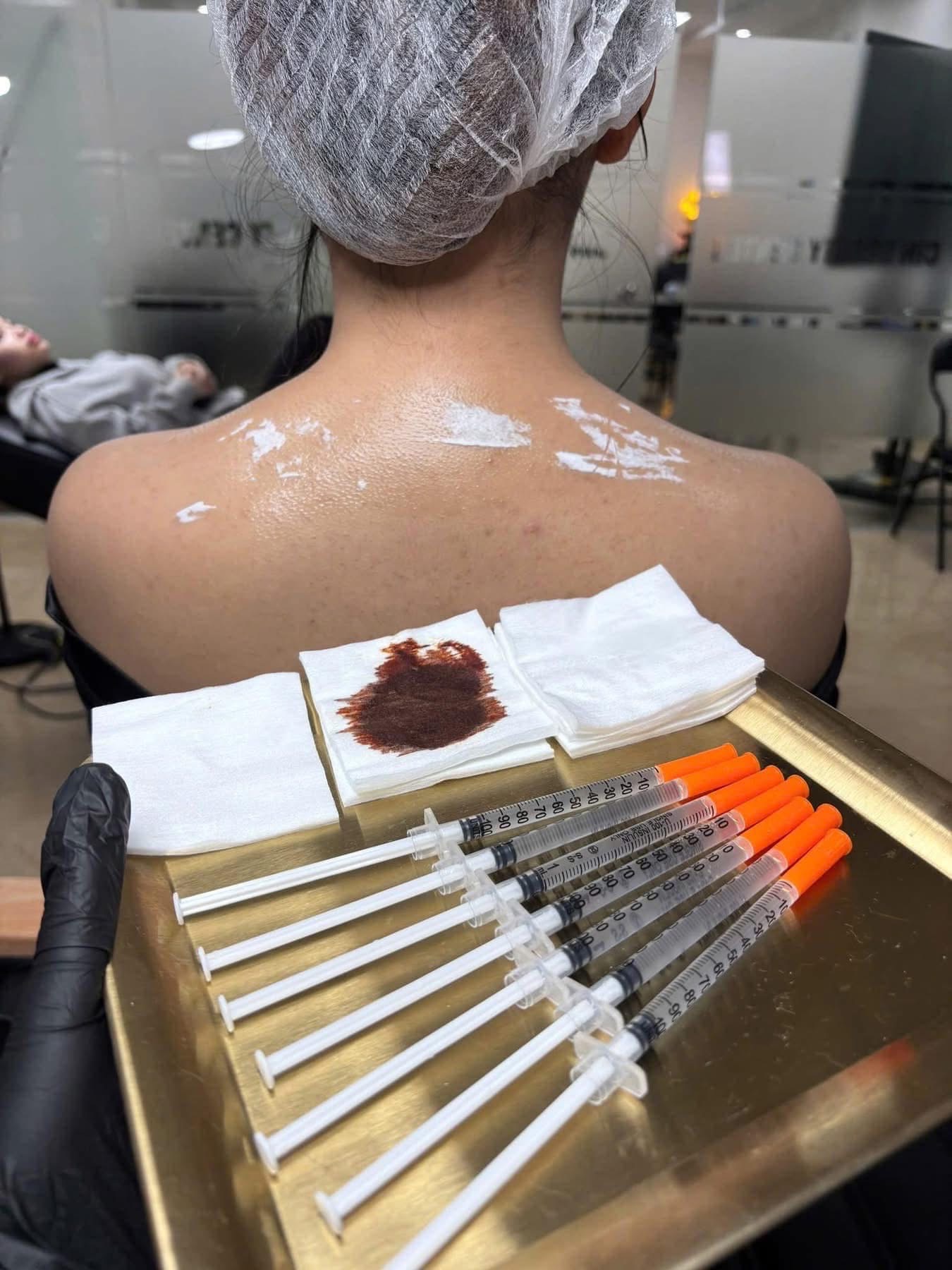
During treatment, clients may feel mild tingling, a brief metallic taste, or coolness depending on the device. Clear burning pain, muscle twitching, prolonged redness, or increasing discomfort are not objectives and need to be reported immediately. After treatment, significant downtime is usually not needed, but the skin may still be sensitive when iontophoresis follows another procedure. Home care is decided according to the main procedure, not the iontophoresis step alone. Clients should not buy a device and use it continuously with strong active ingredients on their own.
Product limitations
Not every serum is suitable for iontophoresis. Ordinary topical products may contain fragrance, preservatives, or ingredients not designed for increased penetration. Using products with an unclear source increases the risk of irritation. In addition, some molecules are too large or are not electrically charged and will not respond as advertising suggests. DIVA prioritises products with clear-use information, simple formulas, and an appropriate objective. A fixed combination list is not published because selection depends on the skin foundation and treatment step of that session.
Conclusion
Iontophoresis is a supportive technology, not a method that replaces every treatment. Its value lies in use at the right time, with a suitable product, within an objective-based plan. DIVA does not add iontophoresis merely to make a program look like it has more steps. If the skin needs only simple recovery, minimal care may be better; if it needs structural treatment or deep-pigmentation management, another technology is needed. Starting from the real concern helps avoid both unnecessary cost and unrealistic expectations.
Nguyen Hai Dang — Founder & Treatment Practitioner
Treatments & Technology
A deep, plain-language guide to the aesthetic technologies DIVA Skin Clinic Poipet uses — Pico laser, CO2 fractional, RF
Open→
What Is Pico Laser? Mechanism, Indications, Limitations, Recovery, and Combination
What Is Pico Laser? Mechanism, Indications, Limitations, Recovery, and Combination. DIVA Poipet explains How Pico laser
Open→
CO₂ Fractional — When Is It Suitable for Scars, Pores, and Skin Texture?
CO₂ Fractional — When Is It Suitable for Scars, Pores, and Skin Texture? DIVA Poipet explains How CO₂ Fractional works a
Open→
RF Microneedling — Deep Treatment, but Not Every Skin Type Is Suitable
RF Microneedling — Deep Treatment, but Not Every Skin Type Is Suitable. DIVA Poipet explains How it works and Common ind
Open→