Skin Concerns & Root Causes
A deep, plain-language guide to the skin concerns DIVA Skin Clinic Poipet treats — acne, dark spots, scars, melasma, pores, sensitive skin, dull skin, ageing and body skin — with root causes, treatment direction and realistic expectations.
Skin Concerns — Understanding Acne, Melasma, Scars, Pores & More — DIVA Skin Clinic Poipet
Skin Concerns — Understanding Acne, Melasma, Scars, Pores & More — DIVA Skin Clinic Poipet
Knowledge Center — Skin Concerns
Understanding Your Skin Concern
Almost every skin problem people bring to DIVA — acne, dark marks, scarring, melasma, large pores, sensitivity, dullness, ageing, back and body skin — makes far more sense once you understand what is actually happening
underneath. This guide walks through each concern in plain language: what it is, why it appears, how DIVA thinks about the treatment direction, what generally helps, and what a realistic result looks like. It is education,
not a prescription — your own plan is always decided after a real assessment.
Send Skin Photos on WhatsApp
All Knowledge Center Categories
A concern is not the same thing as a diagnosis. "Dark spots", for example, can mean post-acne marks, sun-driven pigmentation, melasma, or old marks left behind on the body — and each of those behaves differently and responds
to different treatment directions. The most common mistake we see is treating the surface appearance without understanding the mechanism underneath, which is exactly why some people feel their skin gets worse after
treatment rather than better. Reading the section closest to your situation before your visit means your assessment can focus on confirming a plan instead of starting from zero.
Throughout this guide you will see technology names (such as Pico laser, CO2 fractional laser, RF microneedling, chemical peel, PRP, skin booster and LED) and ingredient names (such as BHA, niacinamide, azelaic acid,
tranexamic acid, vitamin C, retinoids, hyaluronic acid and ceramides). These are named so you understand the general direction and purpose — not as a recipe to copy at home. The right depth, order and timing matter far
more than the strongest product or machine, and getting that right is exactly what an assessment is for.
On this page
- Acne (Mụn)
- Dark marks & PIH (Thâm)
- Scars — pitted & keloid (Sẹo)
- Melasma (Nám)
- Pores & rough texture (Lỗ chân lông)
- Weak & sensitive skin (Da yếu)
- Dull skin (Da xỉn màu)
- Ageing & sagging (Lão hóa)
- Back & body acne (Mụn lưng)
- Body skin & dark areas (Da cơ thể)
Jump to
Frequently asked questions
·
Before the concerns — a two-minute foundation
How your skin is built (and why it decides the treatment)
Almost every decision in the sections below comes back to one simple idea: which layer of the skin the problem lives in. Understanding the three layers makes the rest of this guide click into place.
Layer 1
The epidermis (surface)
The outer protective layer and the skin's barrier. This is where skincare actives such as AHA/BHA, niacinamide, vitamin C and retinoids do their work, and where surface concerns like dullness, flaking and
barrier damage show up. A healthy barrier here is the precondition for everything else being safe.
Layer 2
The dermis (middle)
Home to collagen, elastin, blood vessels and oil glands. This is where technology works — laser, RF, HIFU, microneedling and PRP all aim to influence this layer. Firmness, pitted scars, wrinkles and deep
pigmentation are dermis-level stories, which is why creams alone rarely resolve them.
Layer 3
Below the dermis (fat & muscle)
The deep support of fat pads and the facial muscle layer. This is the territory of volume loss and sagging, and where injectables such as filler and botulinum toxin, and deeper lifting energy, are relevant. When the
face "descends" with age, this layer is a big part of the reason.
This is why matching the tool to the layer matters so much. A surface product cannot rebuild deep collagen, and a deep energy device is the wrong answer for a simple barrier problem. When you read that a concern "needs deeper
technology" or "should be treated gently on the surface first", it is this map being applied. It is also why the most powerful machine in the room is not automatically the right one — the right depth for your specific
problem is what counts.
Concern 1
Acne — inflamed, hidden and hormonal breakouts
What it is
Acne is not one thing. It ranges from small congested bumps under the surface (closed comedones, often called "hidden acne"), to blackheads and whiteheads, to red inflamed papules and pustules, to deeper painful cysts.
They can appear together, and the type you have matters, because a surface breakout and a deep inflammatory one need very different handling. What they share is a follicle that has become blocked and then, in the
inflammatory forms, irritated and colonised by bacteria.
Root causes
Four factors usually combine: excess oil (sebum), a blocked pore, the acne bacteria
C. acnes
, and inflammation. Sitting behind those are the real drivers — hormones (which is why breakouts often track the menstrual cycle, stress or life changes), and habits. In Poipet specifically we see two habits again and again:
heavy or long-worn makeup that is not fully removed, and constantly switching skincare products chasing a fast fix, which keeps the skin irritated and never lets it settle. Late nights and shift work add to it by keeping
the body under stress. This is why acne "keeps coming back" for so many people — the surface is treated but the driver is never addressed.
How DIVA thinks about the treatment direction
The direction is to calm active inflammation first, clear the blockage safely, control oil, and then — most importantly — build a maintenance routine so it does not simply return. Short bursts of aggressive treatment
with no maintenance plan are the classic reason acne relapses. DIVA treats acne as something managed over a course, not erased in one visit, and repeated or severe cases are a signal to also look at lifestyle and, where
appropriate, to suggest a hormone check with a medical doctor.
What generally helps
On the clinic side, gentle acne-focused chemical peels help clear congestion, blue LED helps calm inflammation, and careful extraction removes what is ready to come out. On the ingredient side, BHA (salicylic acid) works
inside oily pores, niacinamide helps regulate oil and calm redness, and azelaic acid helps with both bumps and the marks they leave. Strong actives are used sparingly and never stacked carelessly — combining a retinoid with
strong acids in the same routine is a common way people irritate their skin further.
Realistic expectations
Active breakouts can settle noticeably over a course of sessions, but the marks left behind fade more slowly and are a separate concern (see dark marks below). A commonly discussed range is several sessions spaced roughly a
week to ten days apart during the active phase, then wider-spaced maintenance — but the real number varies with severity and how your skin responds, and is only set after assessment. The honest message is that acne is
controlled and kept controlled; anyone promising a permanent, one-session cure is not being straight with you.
Read next:
Why acne keeps coming back
·
Acne treatment explained
|
Service:
Acne treatment
·
Acne peel
·
Blackheads
Concern 2
Dark marks & post-inflammatory pigmentation (PIH)
What it is
After a spot heals, it often leaves a mark. Two different things get called "dark spots": PIH (post-inflammatory hyperpigmentation) is a brown or grey-brown flat mark left after inflammation, while PIE (post-inflammatory
erythema) is a red or pink flat mark from the small blood vessels involved in healing. They look similar to the naked eye but behave differently and respond to different approaches, so telling them apart is the first job.
Neither is a scar — the skin surface is flat and intact; it is the colour that is off.
Root causes
PIH is the skin over-producing pigment in response to injury or inflammation — a popped pimple, aggressive picking, a harsh peel, or a laser done on unstable skin. Sun exposure makes it darker and longer-lasting. This
is why the single biggest cause of stubborn dark marks is a combination of picking at spots and not protecting the skin from sun afterwards. Darker skin tones are more prone to PIH, which is exactly why treatment on skin in
this region has to be gentle and staged rather than forced.
How DIVA thinks about the treatment direction
First, stop new marks forming — that means controlling the acne or inflammation that creates them, and stopping the picking. Second, protect relentlessly from sun, because pigmentation treatment without sun protection is
like filling a bucket with a hole in it. Third, gently encourage the existing pigment to clear. The emphasis is on gentle
: over-treating PIH can trigger more PIH, so the direction is patient and staged, not aggressive.
What generally helps
Gentle brightening peels and, in suitable cases, careful Pico laser can help lift stubborn pigment, and iontophoresis (mild electrical current) can help brightening actives absorb. On the ingredient side, tranexamic
acid, alpha arbutin and vitamin C are the brightening workhorses, niacinamide supports the process, and daily broad-spectrum SPF 50+ is non-negotiable. Vitamin C in the morning and a brightening serum, paired with sun
protection, is a typical direction — but the specifics come from assessment.
Realistic expectations
Marks generally fade gradually over weeks with consistency; a partial improvement over a few weeks is a realistic early milestone, with fuller fading taking longer. PIE (the red marks) often responds better to
calming and time than to pigment-lifting actives. Patience protects you here — pushing too hard to erase a mark quickly is how people accidentally make it darker.
Read next:
Why laser can make pigmentation worse (PIH / PIE)
·
Melasma & pigmentation treatment
|
Service:
Dark spots treatment
·
Pico laser
Concern 3
Scars — pitted acne scars & raised keloid scars
What it is
A scar is a change in the skin's texture, not just its colour — which is what separates it from a dark mark.
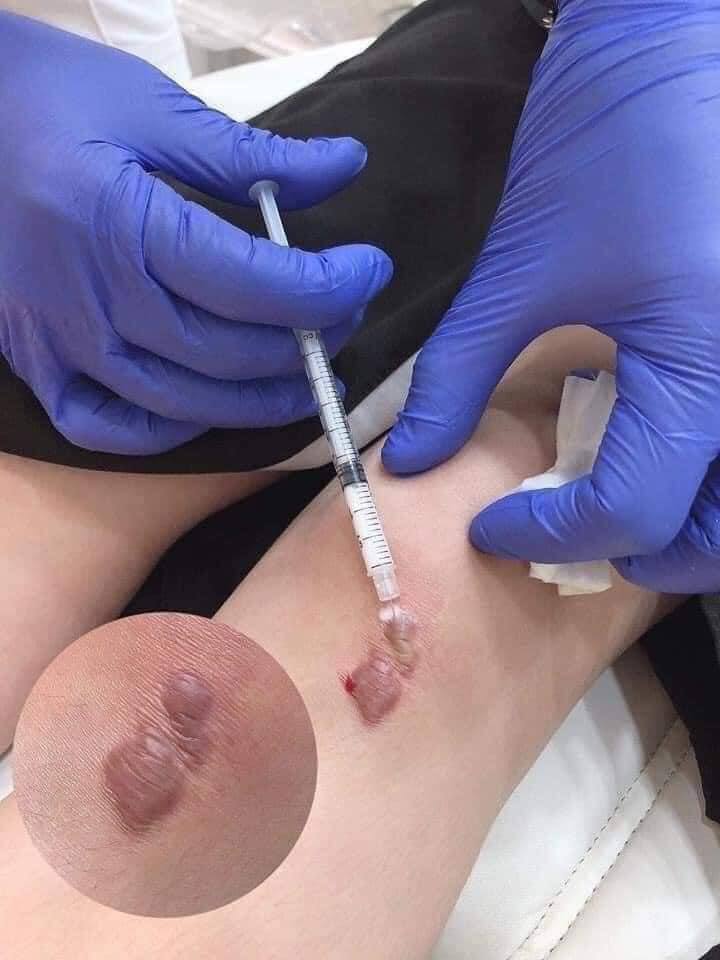
Pitted or "atrophic" acne scars are depressions where the skin healed with too little collagen (you will hear them described as ice-pick, boxcar or rolling scars depending on their shape). Keloid and hypertrophic scars are
the opposite: raised, firm overgrowths of scar tissue that can extend beyond the original wound. These are two genuinely different problems and are treated in opposite directions — one needs collagen built up, the other
needs excess tissue calmed down.
Root causes
Pitted scars come from deep inflammatory acne that damaged the mid-layer of the skin (the dermis), often made worse by squeezing or picking spots incorrectly, so the skin lacked the collagen to rebuild flat. Keloids come
from an over-active healing response — the body lays down too much scar tissue — and there is a strong genetic and skin-type component, which is why some people scar this way from even a small injury or piercing.
How DIVA thinks about the treatment direction
For pitted scars the direction is controlled, deliberate injury to trigger the skin to rebuild collagen from the dermis up — this genuinely needs deeper technology and a serious commitment to recovery, because "instant
smoothness" is not how collagen remodelling works. For keloids the direction is the reverse: calm and flatten the overgrowth carefully, and above all avoid aggressive treatments that could provoke it to grow further.
Because keloid-prone skin can react unpredictably, honest assessment and conservative planning matter more here than anywhere else.
What generally helps
For pitted scarring, CO2 fractional laser, RF microneedling and microneedling combined with PRP (your own platelet-rich plasma, to support healing and collagen) are the usual directions, sometimes layered over a
course. Retinoids and peptides (including copper peptides) support skin repair between sessions. Keloids are managed with a different, more cautious set of approaches decided case by case. In every scar case, results
build gradually over one to two months after a session as collagen matures — this is slow biology, not a same-day change.
Realistic expectations

Pitted scars can be softened and made noticeably shallower over a course, but honest practice means saying they are improved rather than erased — skin that was structurally damaged rarely returns to perfectly smooth. Keloids
can often be flattened and calmed but have a real tendency to recur and need ongoing management. Serious recovery discipline between sessions is part of the result, not an optional extra.
Read next:
Acne scar treatment (CO2, RF microneedling)
·
Keloid & scar treatment
|
Service:
Acne scar treatment
·
Keloid scar treatment
Concern 4
Melasma — stubborn, symmetrical pigmentation
What it is
Melasma is a chronic pigmentation condition that usually shows up as larger, blurry-edged, roughly symmetrical brown or grey-brown patches — commonly across the cheeks, forehead, upper lip and bridge of the nose. It is often
confused with ordinary dark spots or freckles, but it behaves very differently: it is deeper, it is hormonally driven, and it is famously stubborn and prone to returning. Getting the diagnosis right is critical, because the
thing that helps a sunspot can make melasma worse.
Root causes
Melasma is driven by a combination of UV exposure, hormones (pregnancy, contraceptives and hormonal shifts are classic triggers), genetics, and heat. Crucially, it is often made worse by the very things people try to fix it
with — over-aggressive lasers, harsh peels and excessive exfoliation can inflame the skin and drive the pigmentation deeper. This is the single most important thing to understand about melasma: force makes it worse.
How DIVA thinks about the treatment direction
DIVA treats melasma as a condition to be managed and controlled over time
, not cured in a burst. The direction is gentle and layered: calm and stabilise the skin first, protect obsessively from sun and heat, use the mildest effective approach, and accept that maintenance is lifelong-ish rather than a finish line. If you
have been told a strong laser will "clear it in a few sessions", that is a warning sign — that approach is a common reason melasma rebounds darker.
What generally helps
When laser is used at all it is a gentle, well-judged Pico approach, often paired with mild brightening peels and sometimes brightening mesotherapy — always conservative. On the ingredient side, tranexamic acid, niacinamide
and a carefully introduced low-strength retinoid are common supports, and daily SPF 50+ plus physical sun avoidance is the true foundation. The technology serves the plan here; it is never the whole plan.
Realistic expectations
Melasma can be significantly lightened and kept well-controlled, but it is honest to say it is managed rather than permanently erased, and it can recur — especially without consistent sun protection. A commonly discussed
range is several sessions with generous spacing, assessed individually, alongside ongoing maintenance. The clients who do best are the ones who accept the long game.
Read next:
Melasma & pigmentation treatment
·
Why laser makes melasma worse
|
Service:
Melasma treatment
·
Pico laser
Concern 5
Large pores & rough skin texture
What it is
Pores are the visible openings of oil glands. They look larger when they are stretched by trapped oil and dead skin, when the skin around them has lost firmness, or when repeated congestion and blackheads have widened them.
"Rough texture" is the related feeling of unevenness, bumps and a lack of smoothness. Pores never truly close to nothing — the honest goal is to make them look tighter and the surface smoother, not to make them vanish.
Root causes
Oily skin types have naturally more active oil glands, so more visible pores. On top of that, congestion (blackheads and trapped sebum) stretches them, sun damage and ageing loosen the surrounding support so they gape
more, and heavy or occlusive products can make things worse. In an oily-skin climate, using rich creams meant for dry skin is a common own-goal.
How DIVA thinks about the treatment direction
The direction is to keep pores clear, control oil, and stimulate collagen so the skin around each pore is firmer and holds it tighter. It is a texture-and-firmness project, not a quick squeeze — and it overlaps heavily with
oil control and gentle resurfacing rather than being its own isolated fix.
What generally helps
Regular clarifying facials and gentle chemical peels keep pores clear, while collagen-stimulating approaches such as RF microneedling or microneedling help firm the surrounding skin over a course. On the ingredient side,
niacinamide, a well-tolerated retinol and zinc PCA support oil control and refinement; the advice is to avoid heavy, greasy products. A lightweight, oil-controlling routine usually does more for pores than any single
dramatic treatment.
Realistic expectations
Pores can be made to look meaningfully tighter and skin noticeably smoother, and this holds best with ongoing maintenance because oil production and ageing continue. Expect gradual refinement over a course rather than a
one-session transformation, and treat any "pore-vanishing" promise with suspicion.
Read next:
Pores & rough skin texture
|
Service:
Pore treatment
·
Facial treatment
·
RF microneedling
Concern 6
Weak & sensitive skin — a damaged barrier
What it is
Weak or sensitive skin is skin whose outer protective layer — the barrier — is not doing its job. It shows up as redness, stinging or burning when products are applied, tightness, flaking, easy reactivity, and a feeling that
"everything irritates me now". A particularly important version of this is steroid-damaged skin, where long-term use of topical steroid creams (very common in the region as a fast fix for acne or whitening) has thinned and
destabilised the skin, leaving it red, reactive and dependent.
Root causes
The barrier gets broken down by over-exfoliation, stacking too many strong actives, harsh products, aggressive treatments done too often, and — very commonly here — misuse of steroid or unlabelled "miracle" creams. Constant
product-switching in search of a fast result keeps the skin in a permanent state of irritation and never lets the barrier rebuild.
How DIVA thinks about the treatment direction
This is the clearest example of DIVA's "recover the skin first, treat the concern second" principle. You cannot safely laser, peel or aggressively treat skin whose barrier is broken — doing so makes everything worse. The
direction is to strip the routine back to the essentials, calm the inflammation, rebuild the barrier over weeks, and only then consider treating whatever concern is underneath. With steroid-damaged skin this recovery is slow
and can pass through an uncomfortable adjustment phase, which is normal and part of the process.
What generally helps
Gentle, calming clinic support such as red LED, hydrating oxygen treatments, mild recovery-focused approaches and exosome-based regeneration can help skin settle. On the ingredient side the whole philosophy is repair, not
attack: panthenol (B5), hyaluronic acid, centella and ceramides to rebuild and hydrate, and strict avoidance of acids and retinoids until the skin is stable. Sun protection remains essential throughout.
Realistic expectations
Barrier recovery generally takes weeks to a couple of months of consistency, and steroid-damaged skin can take longer with ups and downs along the way. The reward is skin that finally tolerates treatment again — but the
order matters: rushing back to strong actives is the fastest way to undo the progress.
Read next:
Sensitive skin & barrier repair
·
Steroid-damaged skin recovery
|
Service:
Gentle facial treatment
Concern 7
Dull skin — tired, uneven, no glow
What it is
Dull skin looks tired, grey or uneven and lacks the light-reflecting "glow" of healthy skin. Unlike a specific spot or scar, it is a whole-face quality issue: a build-up of dead surface cells, dehydration and uneven tone
combine so the skin no longer reflects light evenly. It is often the first thing people notice about tired, overworked or dehydrated skin — very relevant for anyone doing long or night shifts.
Root causes
A slow surface cell turnover leaves dead cells lingering; dehydration flattens the skin's surface; sun damage and background pigmentation muddy the tone; and poor sleep, stress and night-shift routines show up directly on the
face. Smoking, low water intake and skipping sun protection all compound it.
How DIVA thinks about the treatment direction
The direction is gentle renewal plus deep hydration plus even tone: encourage the surface to turn over, put water back into the skin, and address underlying pigmentation gradually. It is one of the more rewarding concerns
because visible freshness can come relatively quickly — but it also comes back if hydration and sun protection lapse.
What generally helps
Mild brightening peels renew the surface, hydrating skin boosters (micro-injected hyaluronic acid) restore plumpness and glow, mesotherapy delivers a nourishing cocktail, and iontophoresis helps drive vitamin C in. On
the ingredient side, vitamin C, niacinamide and gentle AHAs brighten and smooth, while good hydration and daily
SPF hold the result. Skin boosters are a common direction when the main complaint is "no glow".
Realistic expectations
A fresher, brighter, more hydrated look can appear over a short course and, for boosters, builds over one to two weeks. Because dullness is driven by daily habits, the result is best sustained with maintenance and lifestyle
basics rather than treated once and forgotten.
Read next:
Skin texture & renewal
|
Service:
Brightening facial
·
Skin booster
·
Uneven tone
Concern 8
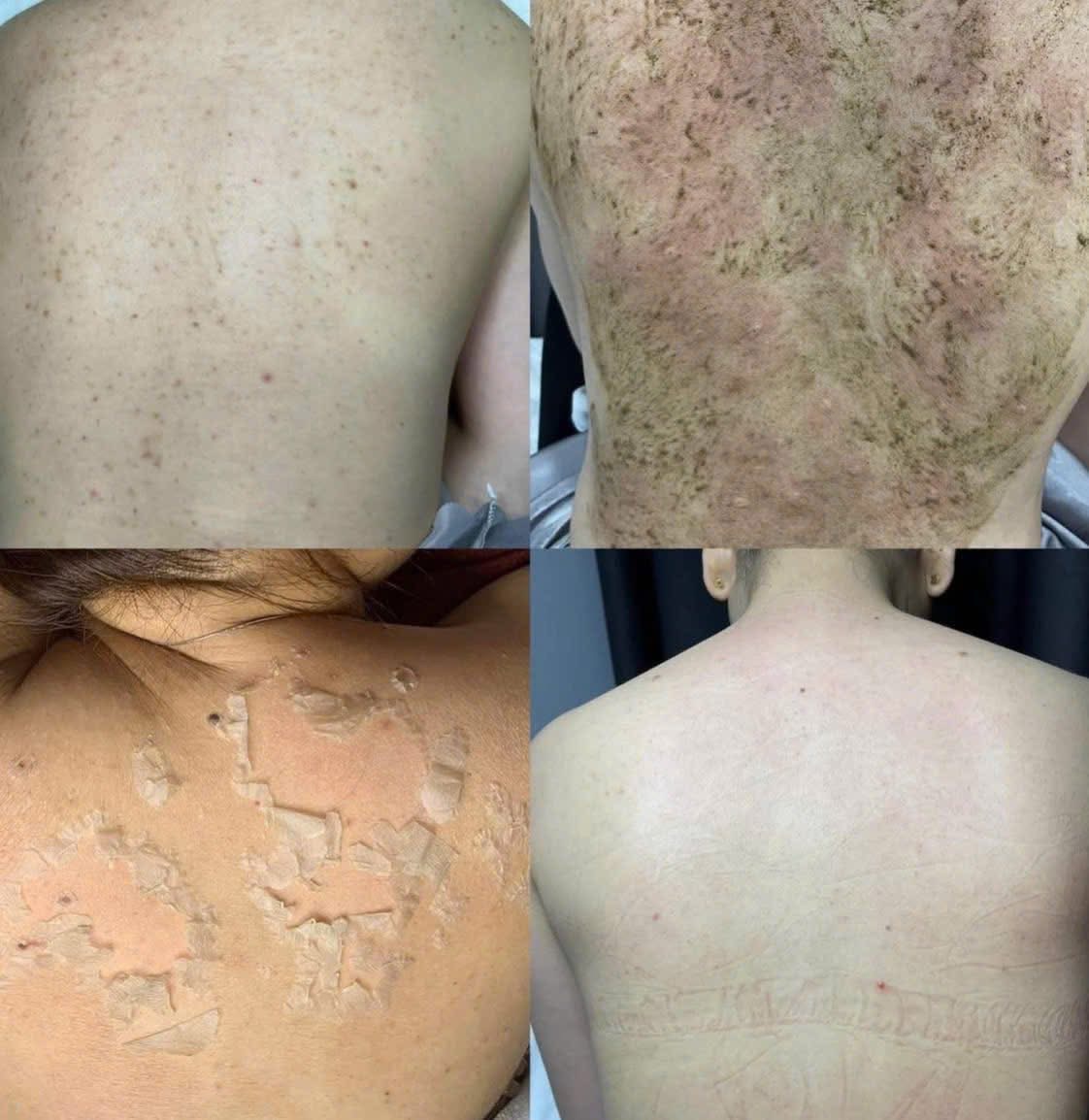
Ageing & sagging — lines, laxity and volume loss
What it is
Skin ageing shows up in several distinct ways that people often lump together: fine lines and wrinkles (surface and expression), loss of firmness and mild sagging (the jawline and cheeks softening), and volume loss (hollows
appearing as underlying fat and support recede). Each of these has a different mechanism and a different suitable approach — which is why "anti-ageing" is never a single treatment.
Root causes
Collagen and elastin — the mesh in the mid-layer of the skin that keeps it firm and springy — decline with age and are accelerated by sun exposure, smoking and poor lifestyle. The deeper support structures (fat pads, the
SMAS layer of the face) loosen and descend over time, which is what creates sagging rather than just surface wrinkles. Repeated expressions etch dynamic lines into the surface.
How DIVA thinks about the treatment direction
Match the tool to the layer. Surface texture and fine lines are a skin-renewal and collagen job; firmness and mild sagging are a tightening job at the mid and deeper layers; volume and dynamic lines are where injectables
belong. Healthy, well-hydrated skin is the foundation under all of it. Results build gradually, and the honest framing is improvement and a fresher, firmer look — not turning back the clock or stopping ageing.
What generally helps
HIFU (focused ultrasound to the deeper SMAS layer) and RF (radiofrequency warming the dermis) are the usual directions for lifting and firming; collagen-stimulating approaches such as microneedling, PRP and skin boosters
improve skin quality; and, where appropriate and only after careful consultation, botulinum toxin softens expression lines and filler restores lost volume. On the ingredient side, retinoids, peptides and diligent SPF do
the daily work. Injectables carry real risks and are discussed thoroughly first — see the technology guide.
Realistic expectations
Firming and lifting from energy treatments build over one to two months and are maintained periodically (HIFU, for example, is typically a once or twice a year kind of treatment). Injectable results are more immediate but
temporary and need repeating. No treatment stops ageing; the realistic goal is looking fresher, firmer and well-rested for your age.
Read next:
Regenerative & collagen treatments
·
Botox vs filler
|
Service:
HIFU facelift
·
RF lifting
·
Botox
·
Dermal filler
Concern 9
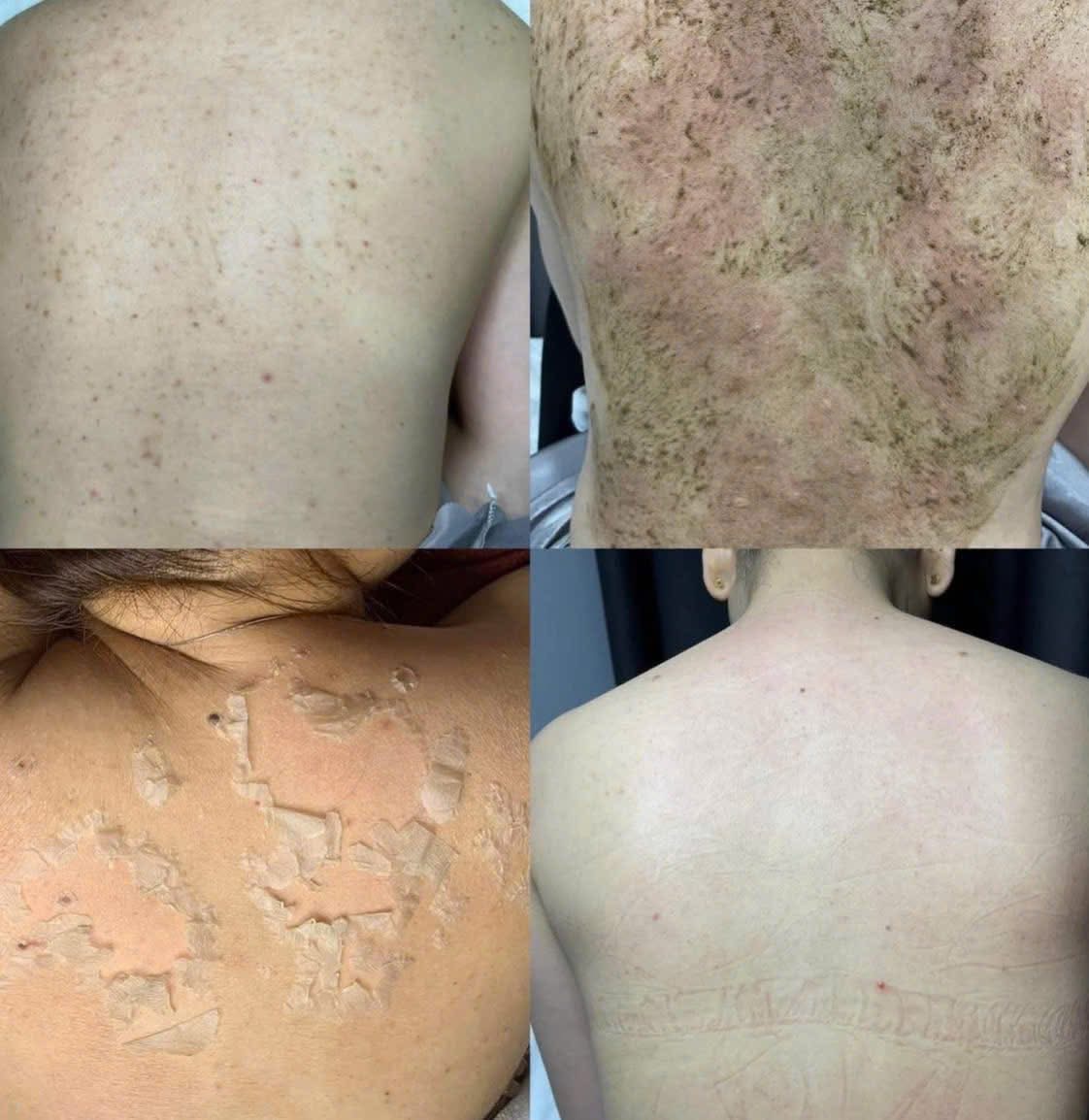
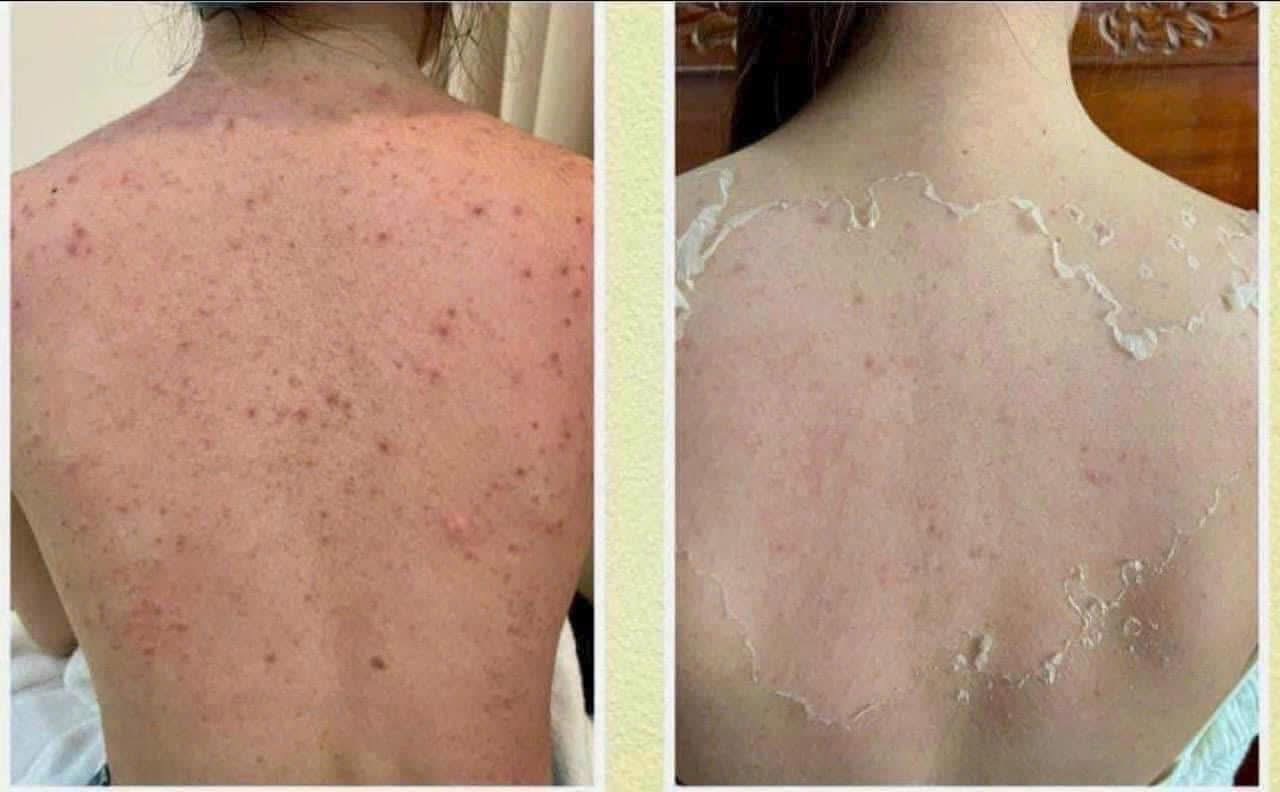
Back & body acne (bacne)
What it is
Acne on the back, chest and shoulders works on the same mechanism as facial acne — blocked, inflamed follicles — but the skin there is thicker, the pores are larger, and the area is under near-constant friction and sweat.
That makes body acne stubborn, prone to leaving dark marks, and easy to aggravate. It is extremely common in a hot, humid climate.
Root causes
Sweat trapped under tight or synthetic clothing, friction from bags and seats, heat and humidity, not showering promptly after sweating, and oily or occlusive body products all feed it. Because the back is hard to see and
reach, it also tends to be under-treated and picked at, which drives the dark marks that outlast the spots.
How DIVA thinks about the treatment direction
Same logic as facial acne — calm inflammation, clear congestion, control oil, then maintain — adapted for tougher skin and the practical realities of the area (clothing, sweat, hygiene routines). Because body acne so reliably
leaves marks, managing the pigmentation afterwards is treated as part of the plan, not an afterthought.
What generally helps
Body-focused clarifying peels and appropriate clinic treatments clear congestion, and the same active families apply — BHA to work inside oily pores, niacinamide and azelaic acid to calm and fade marks. Practical habits do a
lot of the work: breathable clothing, showering soon after sweating, and not scrubbing or picking.
Realistic expectations
Body acne can be brought under control over a course, though thicker skin often means it responds a little more slowly than the face, and the marks it leaves take their own time to fade. As always it is managed and
maintained rather than cured once.
Read next:
Why acne keeps coming back
|
Service:
Back & body acne treatment
·
Acne treatment
Concern 10
Body skin & dark areas — underarms, groin, knees, legs
What it is
Darkening and unevenness on the body — underarms, bikini/groin area, inner thighs, knees, elbows and old marks on the legs — is a very commonly asked-about concern. Like facial pigmentation it is a tone-and-texture issue, but
the skin in these areas is subject to constant friction, and some of it is especially thin and reactive.
Root causes
The big drivers are friction (tight clothing, skin rubbing on skin, walking), shaving and hair-removal irritation, post-inflammatory pigmentation from old cuts, bites or ingrown hairs on the legs, and — importantly —
harsh whitening products and aggressive scrubbing, which inflame delicate skin and make darkening worse. This is another area where the "fast whitening" approach frequently backfires.
How DIVA thinks about the treatment direction
Gentle and steady, respecting how delicate and reactive these areas are. The direction is to reduce the friction and irritation causing it, brighten gradually with mild regular peels and nourishing hydration, and avoid
anything harsh. Aggressive treatment on thin body skin is a fast route to more pigmentation, so restraint is the point.
What generally helps
Gentle, periodic mandelic or lactic acid peels paired with hydration are a common direction, alongside brightening actives such as tranexamic acid and niacinamide suited to sensitive body skin. Reducing friction and
switching to gentler hair removal often matters as much as any treatment.
Realistic expectations
Body dark areas generally lighten gradually and unevenly, and consistency over weeks is what pays off. Because friction keeps happening, maintenance and habit changes hold the result — a single treatment does not
permanently override daily rubbing and shaving.
Service:
Dark spots on legs
·
Underarm brightening
·
Leg dark spots
The thread running through all of these
How DIVA approaches every concern
Name the concern before treating it
Dark spots, sensitivity and "acne that won't go" each hide several different mechanisms. The assessment exists to identify which one you actually have, because the right treatment for one can worsen another.
Recover first, treat second
If the barrier is damaged or the skin is inflamed, it has to be calmed and stabilised before stronger treatment is safe. Forcing treatment onto unstable skin is the most common cause of things getting worse.
Depth and timing beat "strongest machine"
The right depth, the right order and the right spacing matter more than the most powerful device or the highest-strength product. Technology serves the treatment direction, not the other way around.
Managed over time, honestly
Most skin concerns are controlled and maintained rather than cured in one visit. Session counts are given as ranges that vary by individual, and no honest clinic promises a permanent, risk-free, one-session result.
This philosophy is set out more fully in the
DIVA treatment philosophy
and the public write-up of the
3-phase skin
treatment system
. If you want to understand the tools rather than the concerns, see the
Treatments & Technology guide
.
Knowing what is normal
After treatment: normal reactions vs signs to contact DIVA
Whichever concern you are treating, part of a good result is knowing what a normal reaction looks like so you neither panic over something expected nor ignore something that needs attention. As a general guide, mild redness
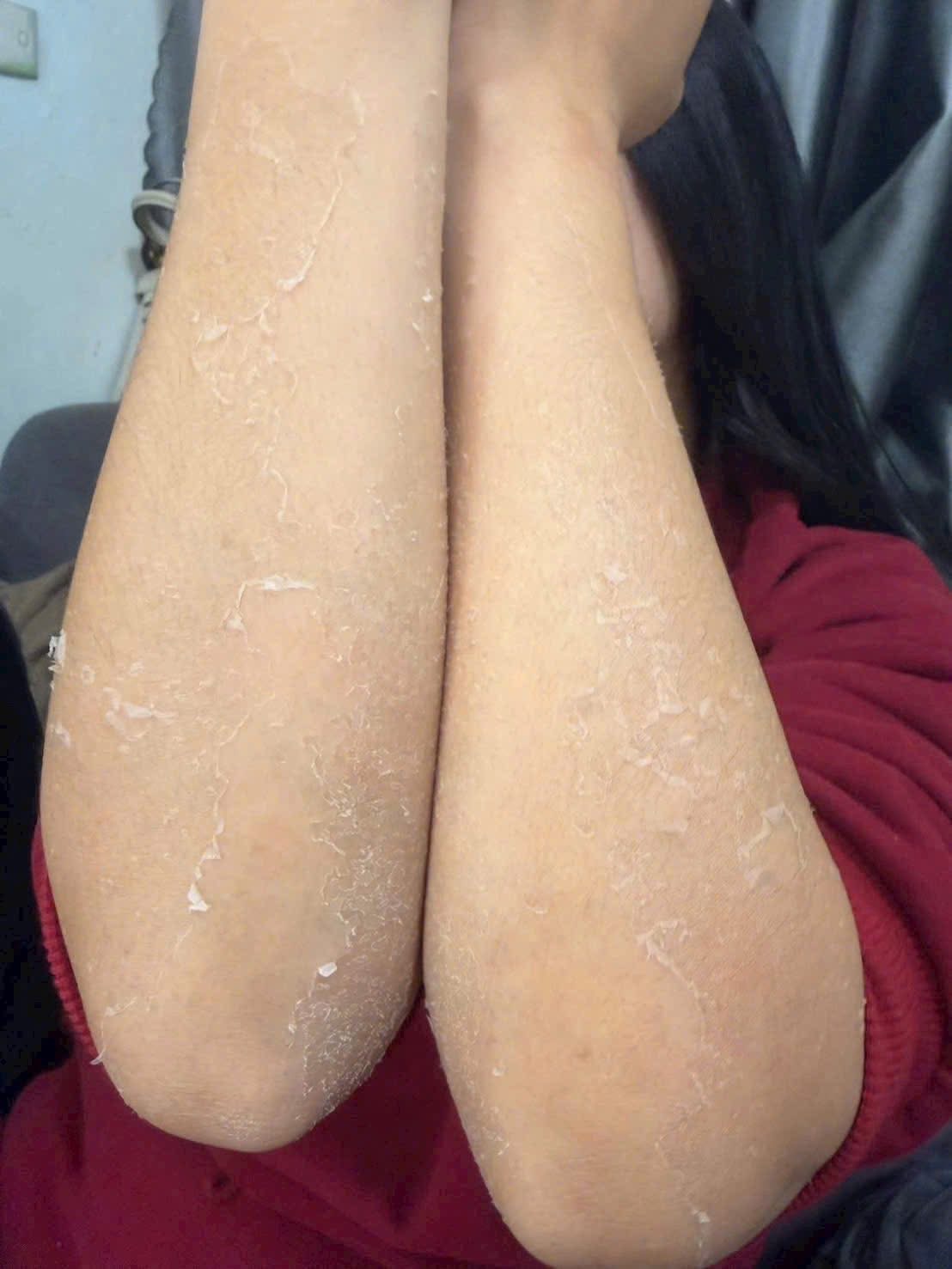
and warmth for one to three days, light flaking or peeling, a temporary darker look after pigment treatment, and a few tiny bumps are common, settling reactions. They usually calm with gentle recovery care — a soothing
panthenol or hyaluronic acid gel, strict sun avoidance, no picking and no peeling off flakes.
What is
not routine, and is a reason to message DIVA promptly, includes: redness or raw stinging lasting beyond about five days, weeping, pus or signs of infection, strong blistering or burning, heavy or spreading
darkening well past a week, or severe pain and swelling. These are uncommon, but recognising them early is exactly why DIVA gives clients direct contact rather than leaving them to guess. For the full pre- and post-treatment
guidance by treatment type, see the
Treatment Guides & Aftercare library
and the aftercare support page
.
Two rules cover almost everything: protect the skin from sun for one to two weeks after any resurfacing or pigment treatment, and never pick, scrub or peel off flaking skin. If something feels wrong, sending a photo and a short
message is always better than waiting.
A plain-language glossary
The ingredient names you keep seeing — what each one is for
Throughout the sections above, the same ingredient names appear again and again. Here is what each one is broadly for
, in one line — so you can follow a treatment direction without needing a formulation. These are purposes, not a routine to build yourself; strengths, pairings and timing are decided in assessment, and
strong actives should never be stacked carelessly (a retinoid plus strong acids in the same routine, or acidic vitamin C alongside AHA in one session, is a classic way to irritate the skin).
For oil & acne
BHA (salicylic acid)
— oil-soluble, works inside congested pores to unclog them.
Niacinamide
— helps regulate oil, calm redness and even tone; well tolerated.
Azelaic acid
— calms bumps and helps fade the marks acne leaves; gentle option.
Zinc PCA
— supports oil control on oily, large-pore skin.
For pigmentation & brightening
Tranexamic acid
— a workhorse for melasma and stubborn pigmentation.
Alpha arbutin
— gentle brightening for dark marks and uneven tone.
Vitamin C
— antioxidant that brightens and supports even tone (typically morning).
For texture, scars & ageing
Retinoids / retinol
— support cell turnover, texture and collagen over time.
Peptides / copper peptides
— support skin repair and collagen, useful around scar work.
Mandelic / lactic acid
— gentler exfoliating acids, good for sensitive and body skin.
For barrier repair & hydration
Panthenol (B5)
— soothes and supports recovery after treatment or irritation.
Hyaluronic acid
— draws in and holds water for plumpness and glow.
Ceramides
— rebuild the barrier's "mortar" so skin stops reacting.
Centella
— calms redness and supports sensitive, recovering skin.
And the one that ties every concern together:
broad-spectrum SPF 50+, every day.
It is the
foundation under acne marks, melasma, dark body areas and ageing alike — no treatment holds well without it.
Frequently asked questions
Skin concerns — common questions
What is the difference between a dark mark and a scar?
+
A dark mark (PIH or PIE) is a change in colour on skin that is still flat and smooth, and it usually fades over time with the right care and sun protection. A scar is a change in texture — a pit or a raised area — because the skin's structure was altered during healing, and it needs texture-focused treatment rather than just brightening.
Is melasma the same as ordinary dark spots?
+
No, and the difference matters a lot. Melasma is a deeper, hormonally driven, chronic condition that tends to be symmetrical and stubborn, and it can be made worse by aggressive lasers and harsh peels. Ordinary sunspots and post-acne marks are more superficial and tolerate a more direct approach. Treating melasma as if it were a sunspot is a common way it gets worse.
Why does my acne keep coming back after it clears?
+
Usually because the active phase was treated but the underlying driver — hormones, habits, or an inconsistent routine — and the maintenance plan were not addressed. Acne is managed over time, and skipping maintenance is the classic reason it relapses. Repeated severe acne is also a reason to consider a hormone check with a medical doctor.
Can pitted acne scars be completely removed?
+
They can be softened and made noticeably shallower over a course of collagen-stimulating treatment, but honest practice means saying "significantly improved" rather than "completely erased". Skin that was structurally damaged rarely returns to perfectly smooth, and results build gradually over weeks as collagen matures.
Why did my skin get worse after treatment somewhere else?
+
The most common reasons are treatment done on unstable or barrier-damaged skin, energy or acids that were too strong for the skin type, and no sun protection afterwards. This is exactly why DIVA assesses the skin's condition first and often recovers the barrier before treating the concern.
Do I really need sunscreen every day for pigmentation?
+
Yes. Sun protection is the single most important factor for any pigmentation concern — melasma, PIH, sunspots or body dark areas. Without daily broad-spectrum SPF 50+, pigment treatment struggles to hold and marks return darker. It is the foundation everything else is built on.
How many sessions will I need?
+
It genuinely varies by concern, severity and how your skin responds. As a rough guide many concerns are worked through over several sessions spaced one to a few weeks apart, then maintained — but the real number is only set after an assessment. Anyone quoting an exact number without seeing your skin is guessing.
My skin stings and reacts to everything now — what should I do?
+
That is a sign of a damaged skin barrier, sometimes from over-exfoliation, too many strong actives, or misuse of steroid creams. The right move is to stop the strong products, simplify your routine to gentle repair ingredients, and let the barrier rebuild before any active treatment. Send DIVA a photo and description and this can be talked through.
Are strong whitening creams a good idea for dark underarms or knees?
+
Generally no. Harsh whitening products and aggressive scrubbing tend to inflame thin, friction-prone body skin and make darkening worse over time. A gentle, gradual approach — reducing friction, mild peels and nourishing hydration — is safer and more reliable for these areas.
Which concern should I mention when I contact DIVA?
+
Describe it in your own words and send a clear, well-lit photo — for example "hidden bumps on my forehead", "brown patches on my cheeks", or "dark marks on my legs". You do not need the correct medical term; identifying what is really happening is part of the assessment.
All Concerns
All Services
Treatments & Technology
Treatment Philosophy
All Categories
FAQ
Not sure which concern matches your skin?
Send a clear photo and describe what you see in your own words. DIVA will help you understand what is actually happening and point you to the right direction — no pressure, no promises you can't keep.
Send Skin Photos on WhatsApp
Message DIVA on Telegram
Share this page
Send useful treatment information to someone you trust.
Share
Copy link
DIVA Skin Clinic Poipet
Personalized treatment based on real skin condition.
DIVA provides individualized skin, laser and aesthetic treatment direction based on the client's actual condition, treatment priority, recovery capacity and realistic goals.
Poipet, Cambodia
Receive clients by prior contact.
+855 88 476 8999
@diva_glow_poipet
@diva_glow_poipet
View DIVA on Google Maps
Full contact page
Treatments
Acne Treatment
Acne Scar Treatment
Pico Laser
CO2 Fractional Laser
Skin Booster
IV Whitening
Back Acne Treatment
Laser Hair Removal
View All Treatments →
Knowledge & Support
DIVA Knowledge Center
DIVA Insights
Skin Concerns
Treatments & Technology
Research & Updates
Treatment Guides & Aftercare
Real Treatment Case Studies
DIVA Treatment Philosophy
About DIVA
DIVA Skin Notes
FAQ
Nguyen Hai Dang
© 2026 DIVA Skin Clinic Poipet. All rights reserved.
Educational content by
Nguyen Hai Dang
— Founder & Treatment Practitioner.
Privacy Policy
Terms
Client Support
Website information is educational and does not replace individual assessment or medical care. Treatment suitability and results vary between clients.
x
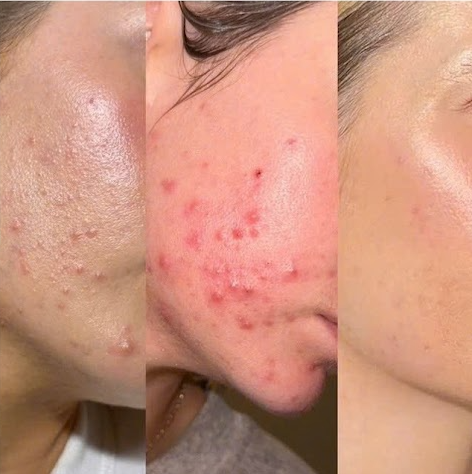
Acne — Why Is Treatment More Than Acne Extraction?
Acne — Why Is Treatment More Than Acne Extraction? DIVA Poipet explains Closed comedones are not the same and Oily skin
Open→
Post-Acne Marks — Why Do They Fade Quickly for Some People but Last Longer for Others?
Post-Acne Marks — Why Do They Fade Quickly for Some People but Last Longer for Others? Practical guidance and realistic
Open→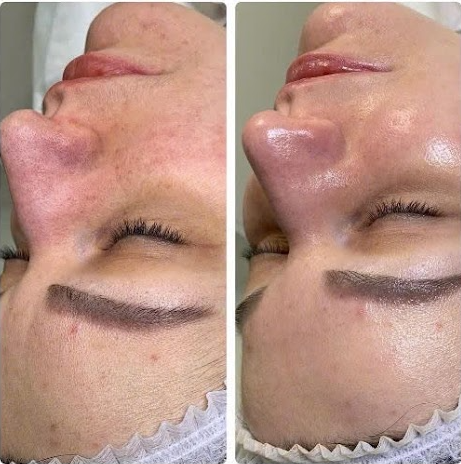
Acne Scars — Why Can One Method Not Treat Every Type?
Acne Scars — Why Can One Method Not Treat Every Type? DIVA Poipet explains Scars form when acne inflammation and Tethere
Open→
Melasma — Why Does It Recur Easily and Why Should Treatment Not Rely on Laser Alone?
Melasma — Why Does It Recur Easily and Why Should Treatment Not Rely on Laser Alone? Practical guidance and realistic ne
Open→
Enlarged Pores — Can They Really Be Made Completely Smaller?
Enlarged Pores — Can They Really Be Made Completely Smaller? DIVA Poipet explains Why do pores look larger? and Over-cle
Open→
Weakened Skin — When Should Strong Treatment Stop and the Skin Foundation Be Restored?
Weakened Skin — When Should Strong Treatment Stop and the Skin Foundation Be Restored? DIVA Poipet explains Common cause
Open→Sensitive Skin — How Is It Different from Skin That Is Currently Irritated?
Sensitive Skin — How Is It Different from Skin That Is Currently Irritated? DIVA Poipet explains Common signs and Find t
Open→
Dull Skin — Is Whitening Alone Enough?
Dull Skin — Is Whitening Alone Enough? DIVA Poipet explains Dull skin is different from and Dehydration makes the skin l
Open→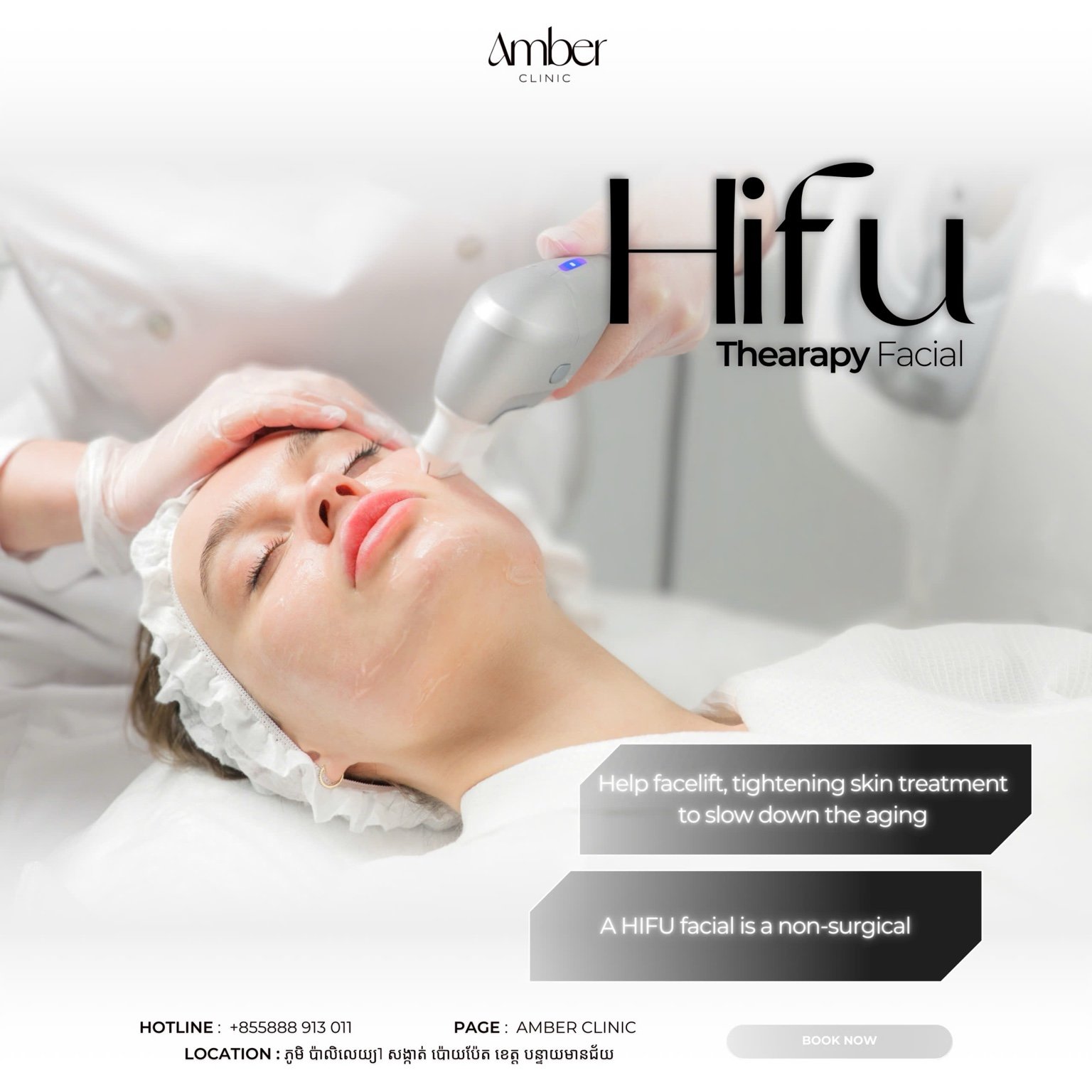
Skin Ageing — Wrinkles, Sagging, and Skin Quality Are Not the Same
Skin Ageing — Wrinkles, Sagging, and Skin Quality Are Not the Same. DIVA Poipet explains Dynamic wrinkles are different
Open→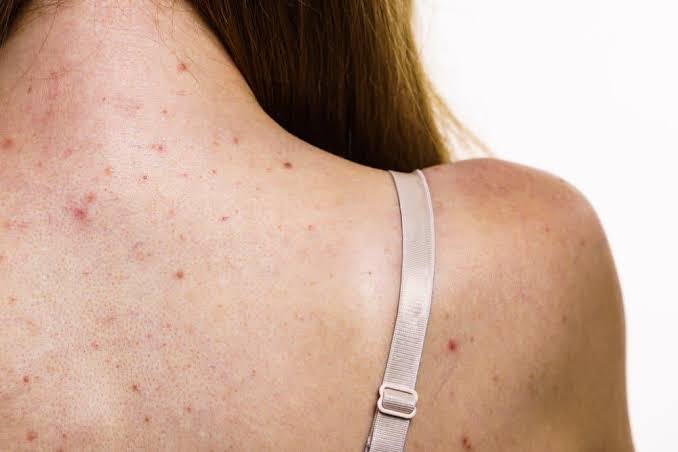
Back Acne — Why Does Thorough Washing Alone Not Make It Go Away?
Back Acne — Why Does Thorough Washing Alone Not Make It Go Away? DIVA Poipet explains Back acne is not always the same a
Open→Body Skin — How Should Dark Underarms, Dark Leg Marks, and Uneven Tone Be Managed?
Body Skin — How Should Dark Underarms, Dark Leg Marks, and Uneven Tone Be Managed? Practical guidance and realistic next
Open→
How Is Folliculitis Different From Body Acne?
How Is Folliculitis Different From Body Acne? DIVA Poipet explains Common Presentations and Why Does This Condition Appe
Open→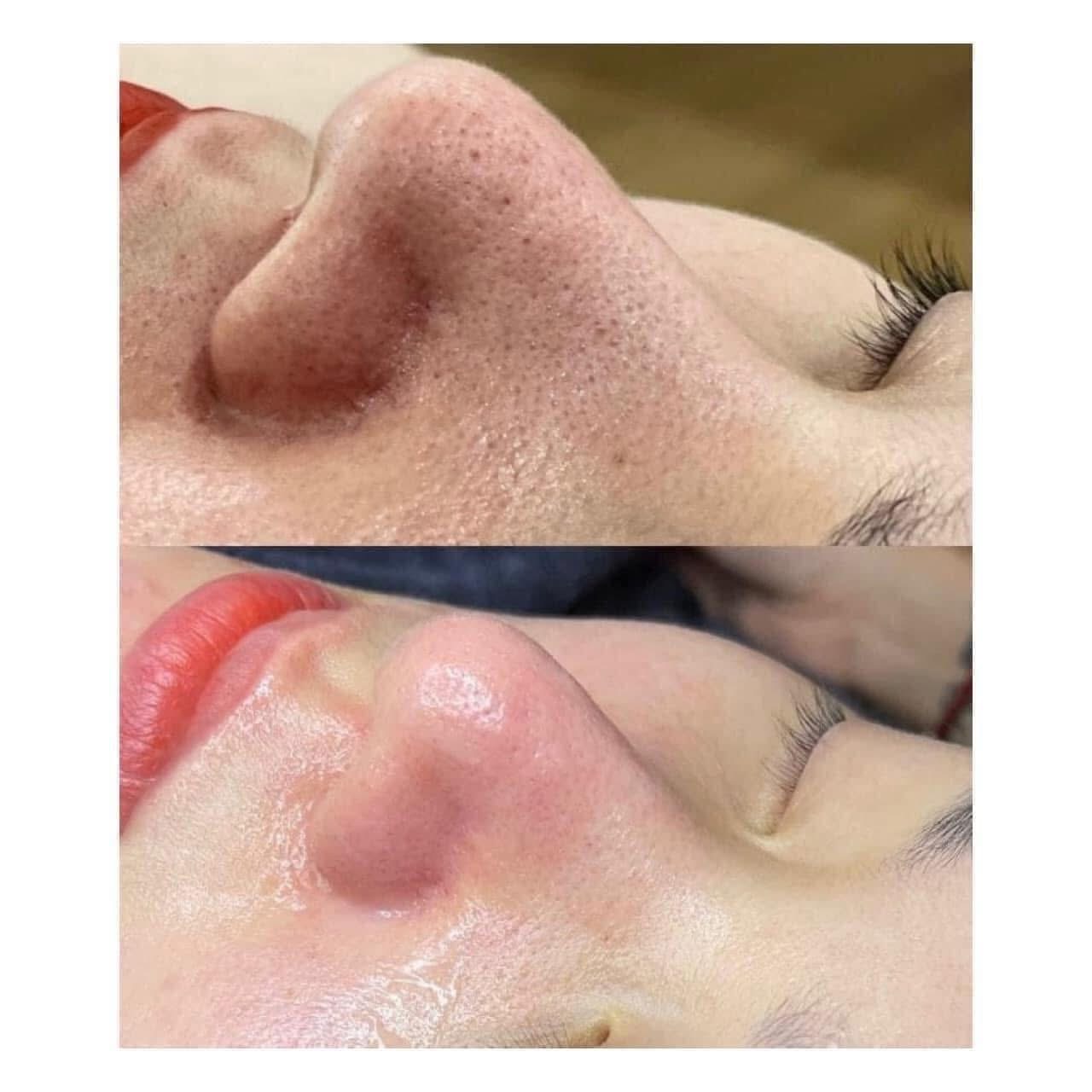
Dehydrated Skin That Still Produces Excess Oil
Dehydrated Skin That Still Produces Excess Oil. DIVA Poipet explains Common Presentations and Why Does This Condition Ap
Open→
Over-Treated Skin: Signs and Recovery Direction
Over-Treated Skin: Signs and Recovery Direction. DIVA Poipet explains Common Presentations and Why Does This Condition A
Open→
What Is Post-Inflammatory Hyperpigmentation (PIH)?
What Is Post-Inflammatory Hyperpigmentation (PIH)? DIVA Poipet explains Common Presentations and Why Does This Condition
Open→How Are Red Post-Acne Marks Different From Brown Post-Acne Marks?
How Are Red Post-Acne Marks Different From Brown Post-Acne Marks? DIVA Poipet explains Common Presentations and Why Does
Open→Red Skin and Visible Capillaries: When Is It Sensitivity and When Is It a Vascular Issue?
Red Skin and Visible Capillaries: When Is It Sensitivity and When Is It a Vascular Issue? Practical guidance and realist
Open→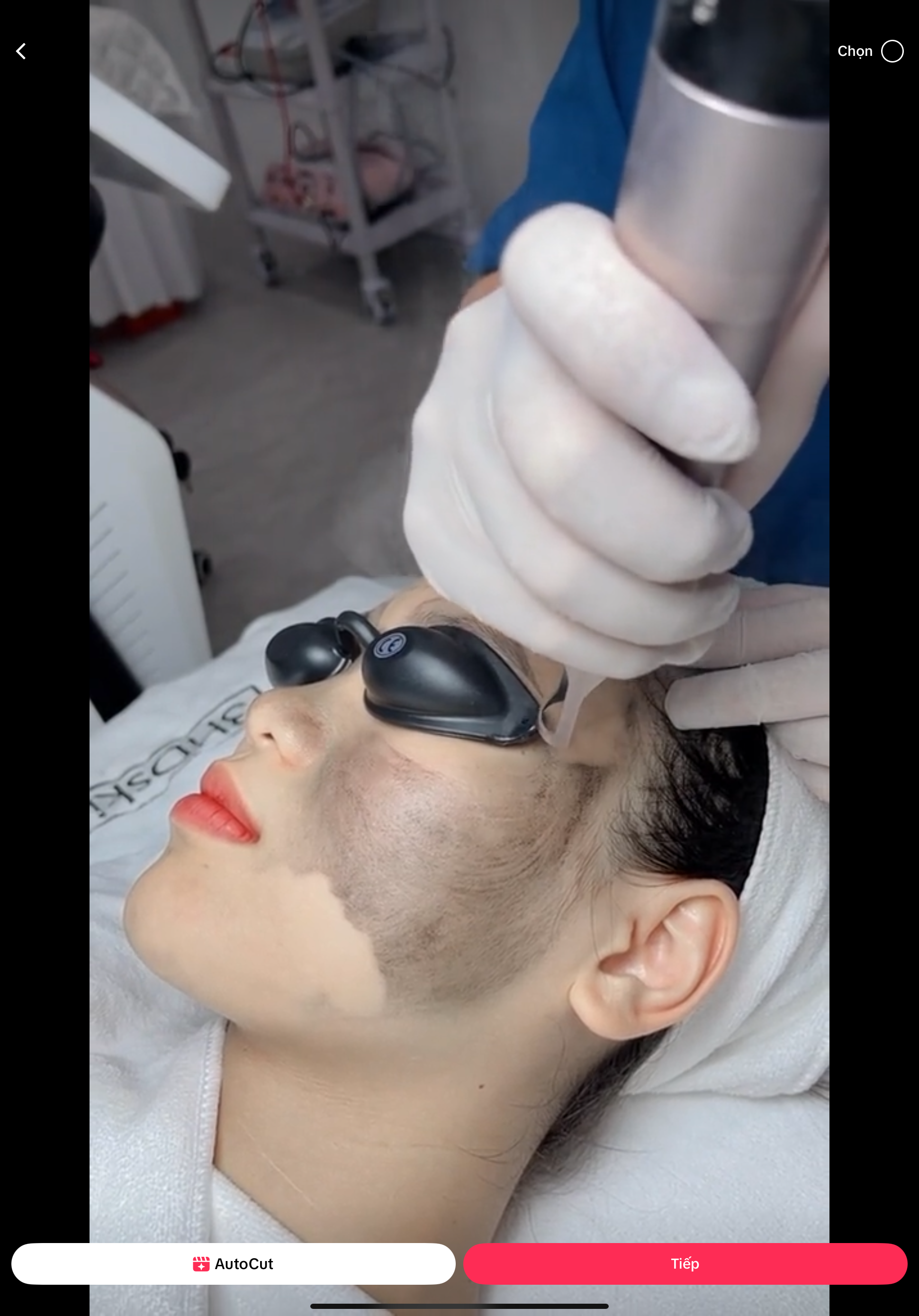
Rough Skin and Uneven Texture
Rough Skin and Uneven Texture. DIVA Poipet explains Common Presentations and Why Does This Condition Appear?.
Open→
Closed Comedones and Congestion Under the Skin
Closed Comedones and Congestion Under the Skin. DIVA Poipet explains Common Presentations and Why Does This Condition Ap
Open→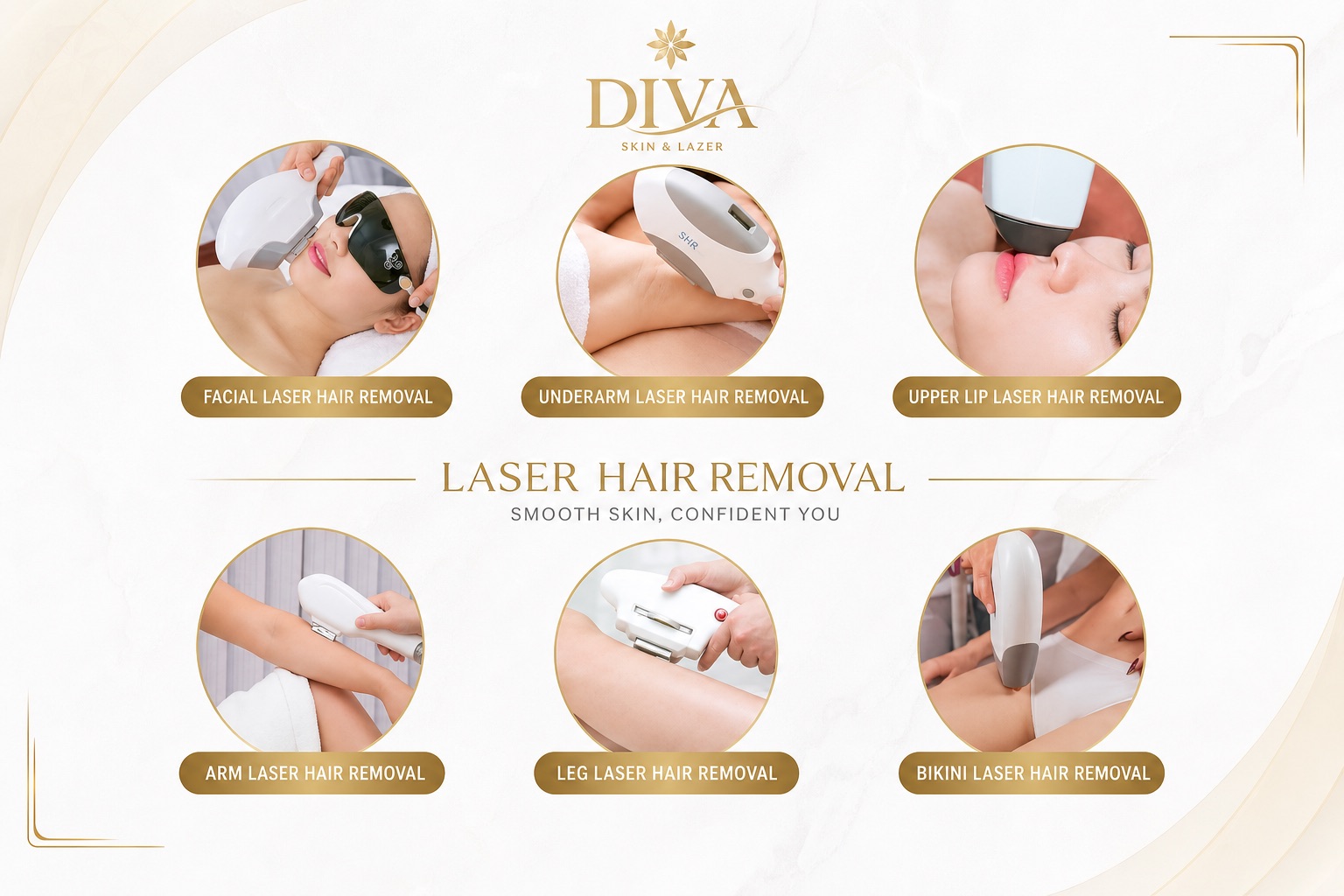
Weak Skin After Laser: What Is Happening?
Weak Skin After Laser: What Is Happening? DIVA Poipet explains Common Presentations and Why Does This Condition Appear?.
Open→
Skin Using Retinoids or Recently Stopped Retinoids
Skin Using Retinoids or Recently Stopped Retinoids. DIVA Poipet explains Common Presentations and Why Does This Conditio
Open→Is Hormonal Acne Always Located on the Chin and Jawline?
Is Hormonal Acne Always Located on the Chin and Jawline? DIVA Poipet explains Common Presentations and Why Does This Con
Open→Is Thin Skin Really a Skin Type?
Is Thin Skin Really a Skin Type? DIVA Poipet explains Common Presentations and Why Does This Condition Appear?.
Open→Uneven Skin Tone Without Clear Melasma
Uneven Skin Tone Without Clear Melasma. DIVA Poipet explains Common Presentations and Why Does This Condition Appear?.
Open→How Are Sensitive Skin and a Weakened Skin Barrier Different?
How Are Sensitive Skin and a Weakened Skin Barrier Different? DIVA Poipet explains Common Presentations and Why Does Thi
Open→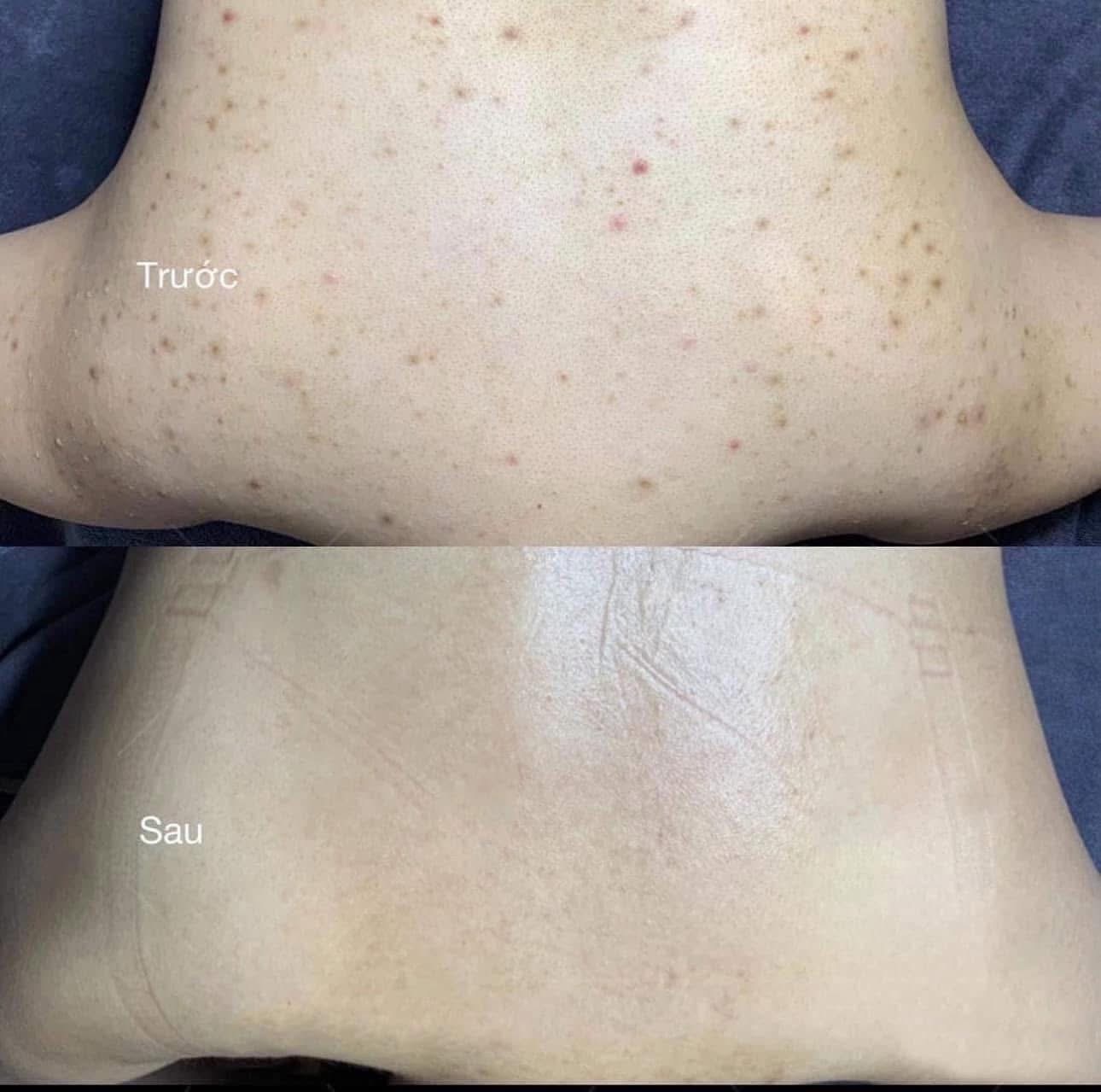
Why Does Back Acne Often Recur?
Why Does Back Acne Often Recur? DIVA Poipet explains Common Presentations and Why Does This Condition Appear?.
Open→
Dark Spots on the Legs After Insect Bites, Folliculitis, or Scratches
Dark Spots on the Legs After Insect Bites, Folliculitis, or Scratches. DIVA Poipet explains Common Presentations and Why
Open→
Inflammatory Acne That Keeps Returning Despite Repeated Extractions
Inflammatory Acne That Keeps Returning Despite Repeated Extractions. DIVA Poipet explains Common Presentations and Why D
Open→Skin After Isotretinoin: When Can Aesthetic Treatment Begin?
Skin After Isotretinoin: When Can Aesthetic Treatment Begin? DIVA Poipet explains Common Presentations and Why Does This
Open→Dull Skin: Is It Caused by the Surface or by Pigmentation?
Dull Skin: Is It Caused by the Surface or by Pigmentation? DIVA Poipet explains Common Presentations and Why Does This C
Open→
Are Enlarged Pores Caused by Oil, Loss of Elasticity, or Scarring?
Are Enlarged Pores Caused by Oil, Loss of Elasticity, or Scarring? DIVA Poipet explains Common Presentations and Why Doe
Open→Swipe to view more videos · Real treatment media from DIVA. Individual results vary.
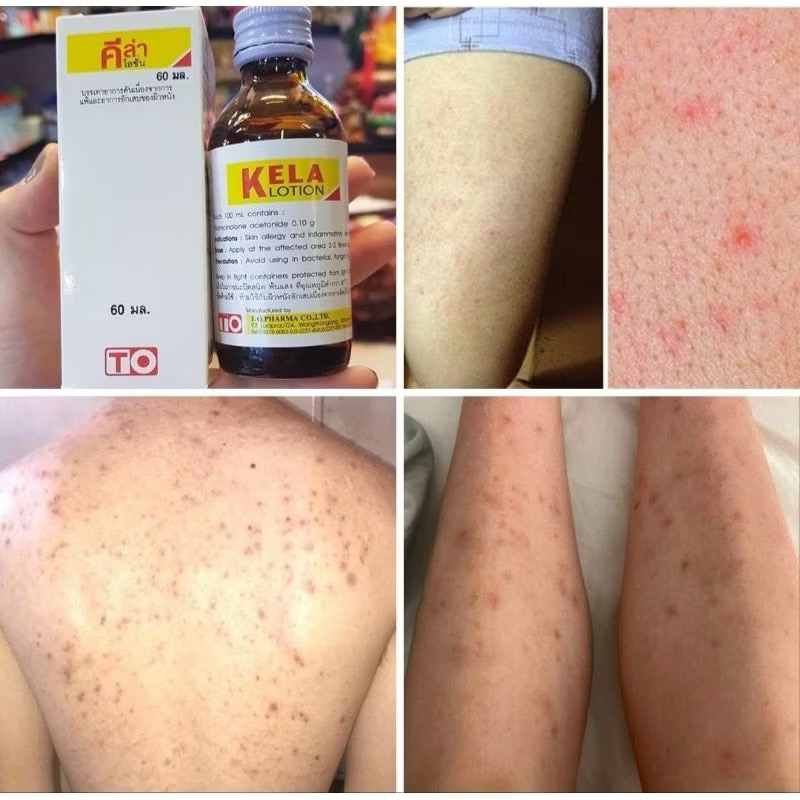
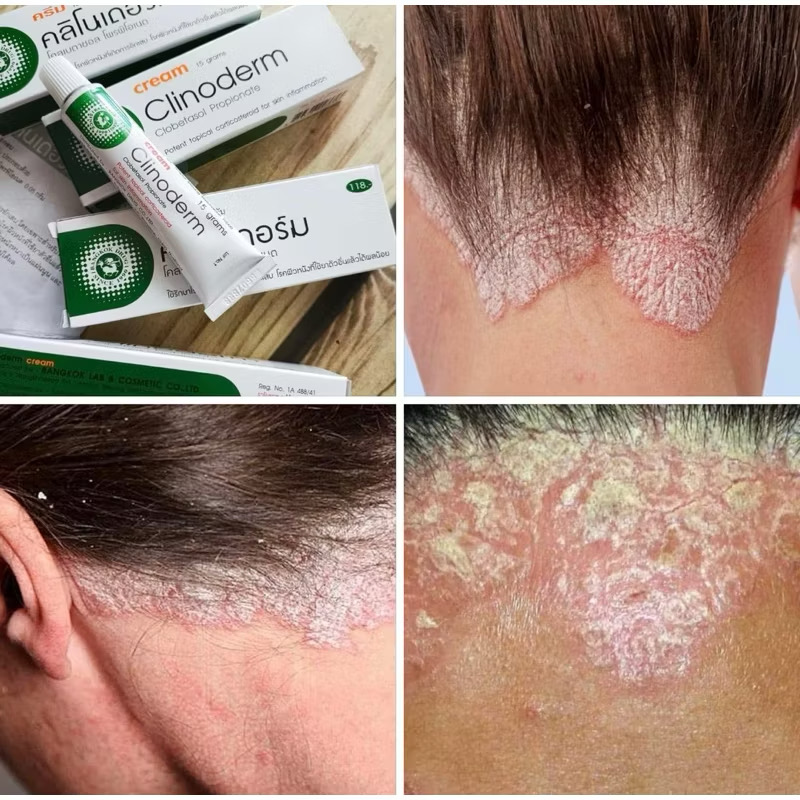

Swipe to view more · Selected real media from DIVA. Individual results vary; images are for treatment reference.