What Is Post-Inflammatory Hyperpigmentation (PIH)?
What Is Post-Inflammatory Hyperpigmentation (PIH)? DIVA Poipet explains Common Presentations and Why Does This Condition Appear?.

Introduction
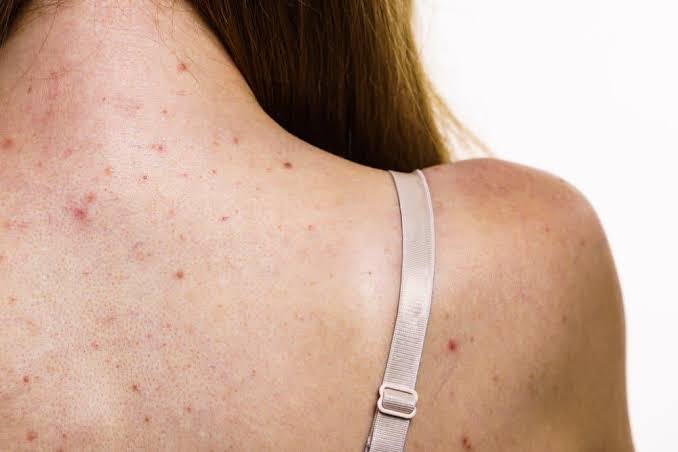
Post-inflammatory hyperpigmentation, commonly abbreviated as PIH, is an area of darker skin that appears after skin has been inflamed or injured. Acne, insect bites, abrasions, folliculitis, eczema, burns, peels, or laser treatments can all leave PIH. It is a change in skin colour, not an indented scar, and it is not the same as melasma.
Common Presentations
PIH is usually flat and brown, grey-brown, or blue-grey depending on pigment depth and baseline skin tone. The mark has a shape that corresponds to the previous lesion. If the area is still red, painful, itchy, raised, or continues to develop new acne lesions, the inflammatory process may still be active and the cause needs management before focusing only on brightening.
Why Does This Condition Appear?
When inflammation stimulates pigment cells, more melanin is produced and distributed. The deeper the injury or the longer inflammation lasts, the deeper the pigment may sit and the more slowly it may fade. People with medium to dark skin tones often develop more obvious and longer-lasting PIH. Light exposure, friction, picking or extraction, and repeated irritation can darken marks further.
Approaches That Commonly Make the Problem Worse
A common mistake is continuously using strong brightening products while skin is still inflamed. Another mistake is increasing laser energy or peel strength simply because dark marks have not faded quickly. If additional inflammation is created, treatment itself can worsen PIH.
How Does DIVA Assess It?
DIVA distinguishes PIH from red post-acne marks, melasma, freckles, pigmented birthmarks, and deep pigmentation. It is necessary to know the original lesion, how long it has been present, whether inflammation is ongoing, how skin has reacted to laser or peels in the past, and the level of light exposure in daily life.
Why Is Personalisation Needed?

At DIVA, the name of a concern is only the starting point. Two clients using the same word to describe their skin may have completely different causes, degrees of inflammation, recovery capacity, and goals. Therefore, the method is not selected only from one photo or from a service name the client has heard elsewhere. An in-person assessment helps determine what should be done today, what should be postponed, and what the client needs to support at home.
Treatment Direction at the Clinic
The treatment direction usually follows three parts: controlling the inflammatory cause, supporting pigment regulation, and selecting technology appropriate to depth, skin tone, and recovery capacity. Not every PIH mark needs laser, and products alone are not sufficient for every case.
Why Should Too Many Things Not Be Done at Once?
An important principle is not to try to address every issue in the same session. When skin has several goals, DIVA prioritises the concern with the greatest effect on safety or outcomes and then moves to the next stage. This approach can feel slower than doing a great deal at once, but it reduces accumulated inflammation and allows observation of how skin responds to each step.
The Role of At-Home Care
At-home care needs to avoid picking and scratching, reduce friction, and not self-combine too many brightening ingredients. Light protection should be personalised according to the location of marks, work environment, and ability to use products. Most importantly, the routine must not continue to irritate skin.
Assessing Results Over Time
Results should not be assessed only by how skin feels immediately after a service. Some early visible changes are due to moisture, mild swelling, or lighting; structural and pigment changes need more time. Before-and-after photos should be taken from the same angle, in the same lighting, and with the same skin condition to avoid misunderstanding. When progress does not match expectations, the plan needs adjustment rather than continued repetition of one method.
When Is Medical Assessment Needed?
If a dark mark changes quickly, has an irregular border, ulcerates, bleeds, is painful, has no clear relation to prior inflammation, or appears with systemic symptoms, medical assessment is needed to rule out other causes.
DIVA’s Perspective
PIH can fade over time, but the rate differs from person to person. Effective treatment is not about using the strongest method; it is about reducing new inflammation, not creating further injury, and acting at the appropriate pigment depth.
Frequently Asked Questions
Can this condition improve on its own? Some cases may change over time if the cause of inflammation or irritation has stopped. However, when the problem keeps recurring, leaves dark marks or scars, or affects daily life, early assessment helps avoid prolonged issues and reduces the risk of treatment in the wrong direction.
Can I start with one session? Yes. DIVA prioritises beginning with one suitable session to assess the actual response. After the first session, clients receive care guidance and clear monitoring milestones; there is no need to purchase a long package before knowing how skin responds.
How long should I wait before reassessment? The reassessment timeframe depends on the degree of inflammation, type of concern, and method performed. Do not draw conclusions after only a few days if skin is still recovering. DIVA usually bases the decision to maintain, reduce, or change treatment direction on progression, photos under the same conditions, and the at-home response.
Nguyen Hai Dang - Founder & Treatment Practitioner
Skin Concerns & Root Causes
A deep, plain-language guide to the skin concerns DIVA Skin Clinic Poipet treats — acne, dark spots, scars, melasma, por
Open→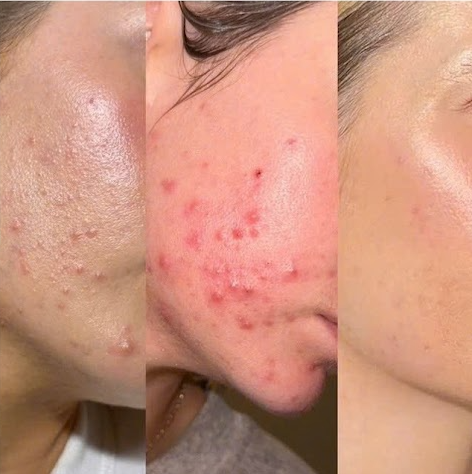
Acne — Why Is Treatment More Than Acne Extraction?
Acne — Why Is Treatment More Than Acne Extraction? DIVA Poipet explains Closed comedones are not the same and Oily skin
Open→
Post-Acne Marks — Why Do They Fade Quickly for Some People but Last Longer for Others?
Post-Acne Marks — Why Do They Fade Quickly for Some People but Last Longer for Others? Practical guidance and realistic
Open→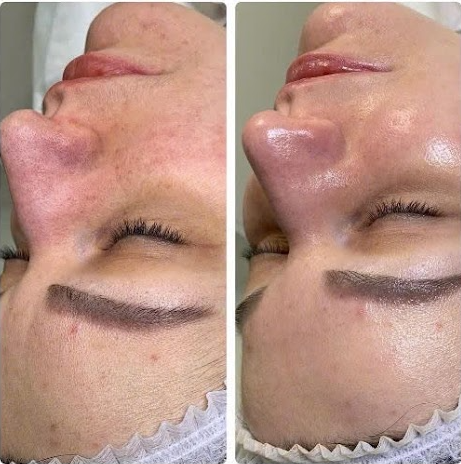
Acne Scars — Why Can One Method Not Treat Every Type?
Acne Scars — Why Can One Method Not Treat Every Type? DIVA Poipet explains Scars form when acne inflammation and Tethere
Open→