Closed Comedones and Congestion Under the Skin
Closed Comedones and Congestion Under the Skin. DIVA Poipet explains Common Presentations and Why Does This Condition Appear?.

Introduction
Closed comedones are commonly used to describe small, skin-coloured, minimally inflamed bumps beneath the surface. From a clinical perspective, many cases are whiteheads or closed comedones caused by oil and keratin cells being retained inside hair follicles. However, tiny bumps can also be irritation, folliculitis, or other lesions, so extraction is not always appropriate.
Common Presentations
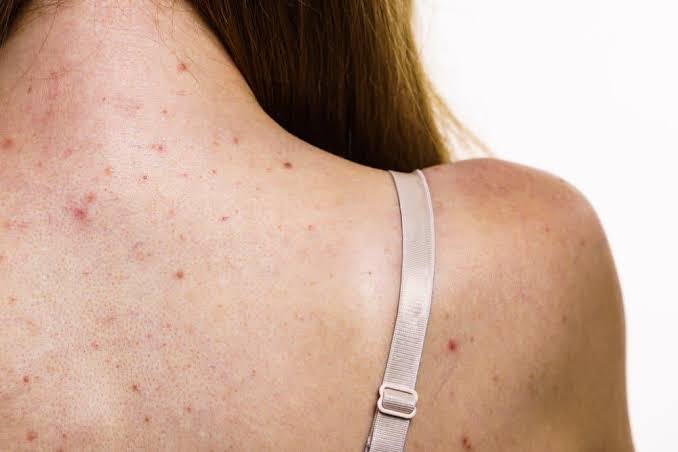
Closed comedones are usually felt as small raised bumps, concentrated on the forehead, cheeks, or chin, and may develop into inflammatory acne. On close inspection, the follicular opening may appear closed. If bumps are very uniform, itchy, or flare after a new product, possibilities other than ordinary acne need consideration.
Why Does This Condition Appear?
Oil, altered keratinisation, pore-clogging cosmetics, hair products, mask wearing, a hot and humid environment, and harsh cleansing habits can all contribute. Some treatments cause irritation that makes the surface bumpy, leading clients to think closed comedones have increased and to continue stronger treatment.
Approaches That Commonly Make the Problem Worse
A common mistake is extracting many lesions at once. If the material is not ready or the technique is incorrect, skin can be abraded, inflamed, and left with dark marks. Another mistake is peeling continuously to “purge acne” while the surface is already weakened. Not every outbreak of bumps after treatment is beneficial purging.
How Does DIVA Assess It?
DIVA assesses the type of bumps, degree of congestion, oil, redness, itching, products in use, and makeup habits. If folliculitis, allergy, or another skin condition is suspected, clients are advised to seek medical assessment rather than continue extraction.
Why Is Personalisation Needed?

At DIVA, the name of a concern is only the starting point. Two clients using the same word to describe their skin may have completely different causes, degrees of inflammation, recovery capacity, and goals. Therefore, the method is not selected only from one photo or from a service name the client has heard elsewhere. An in-person assessment helps determine what should be done today, what should be postponed, and what the client needs to support at home.
Treatment Direction at the Clinic
Treatment usually needs to reduce formation of new congestion, support opening of comedones, and manage inflammation if present. Extraction is only one part when lesions are suitable; it is not the only central focus. Peels, Aqua Peel, or other technologies are selected according to baseline skin and the session objective.
Why Should Too Many Things Not Be Done at Once?
An important principle is not to try to address every issue in the same session. When skin has several goals, DIVA prioritises the concern with the greatest effect on safety or outcomes and then moves to the next stage. This approach can feel slower than doing a great deal at once, but it reduces accumulated inflammation and allows observation of how skin responds to each step.
The Role of At-Home Care
At-home care should remain stable for long enough to assess it. Non-comedogenic products, sufficient cleansing, and gradually increased treatments are usually more effective than continuously switching products. Clients should avoid using multiple acids or retinoids at the same time while skin is red and burning.
Assessing Results Over Time
Results should not be assessed only by how skin feels immediately after a service. Some early visible changes are due to moisture, mild swelling, or lighting; structural and pigment changes need more time. Before-and-after photos should be taken from the same angle, in the same lighting, and with the same skin condition to avoid misunderstanding. When progress does not match expectations, the plan needs adjustment rather than continued repetition of one method.

When Is Medical Assessment Needed?
Bumps that spread quickly, itch severely, produce widespread uniform pus, cause pain or swelling, or do not respond to ordinary acne management need reassessment. In particular, do not continue extraction if skin shows signs of infection.
DIVA’s Perspective
Closed comedones are not only “deep material that needs to be extracted.” Stable improvement requires control of the congestion-forming process and protection of the skin base; otherwise, new bumps will continue to form.
Frequently Asked Questions
Can this condition improve on its own? Some cases may change over time if the cause of inflammation or irritation has stopped. However, when the problem keeps recurring, leaves dark marks or scars, or affects daily life, early assessment helps avoid prolonged issues and reduces the risk of treatment in the wrong direction.
Can I start with one session? Yes. DIVA prioritises beginning with one suitable session to assess the actual response. After the first session, clients receive care guidance and clear monitoring milestones; there is no need to purchase a long package before knowing how skin responds.
How long should I wait before reassessment? The reassessment timeframe depends on the degree of inflammation, type of concern, and method performed. Do not draw conclusions after only a few days if skin is still recovering. DIVA usually bases the decision to maintain, reduce, or change treatment direction on progression, photos under the same conditions, and the at-home response.
Nguyen Hai Dang - Founder & Treatment Practitioner
Skin Concerns & Root Causes
A deep, plain-language guide to the skin concerns DIVA Skin Clinic Poipet treats — acne, dark spots, scars, melasma, por
Open→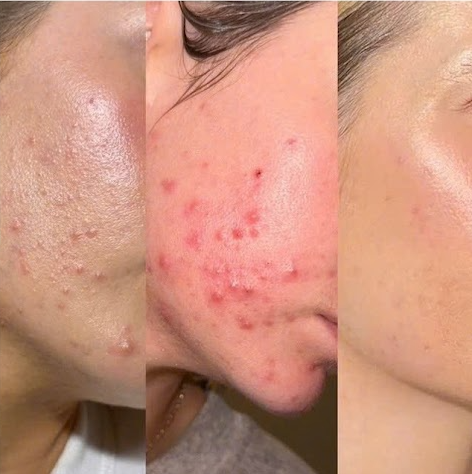
Acne — Why Is Treatment More Than Acne Extraction?
Acne — Why Is Treatment More Than Acne Extraction? DIVA Poipet explains Closed comedones are not the same and Oily skin
Open→
Post-Acne Marks — Why Do They Fade Quickly for Some People but Last Longer for Others?
Post-Acne Marks — Why Do They Fade Quickly for Some People but Last Longer for Others? Practical guidance and realistic
Open→
Acne Scars — Why Can One Method Not Treat Every Type?
Acne Scars — Why Can One Method Not Treat Every Type? DIVA Poipet explains Scars form when acne inflammation and Tethere
Open→