How Are Sensitive Skin and a Weakened Skin Barrier Different?
How Are Sensitive Skin and a Weakened Skin Barrier Different? DIVA Poipet explains Common Presentations and Why Does This Condition Appear?.
Introduction
Sensitive skin is a broad concept that commonly describes skin prone to stinging, warmth, itching, or redness in response to cosmetics and the environment. A weakened skin barrier is a state in which the outer skin layer retains water poorly and allows irritants to penetrate more easily. The two concerns often occur together but are not always the same.
Common Presentations
People with naturally sensitive skin may react to many products even when the surface appears relatively normal. A weakened barrier commonly comes with dryness, peeling, cracks, burning after cleansing, and reactions that newly appear after treatment or weather changes. Contact allergy can cause clear itching, swelling, or rash and needs to be distinguished from ordinary irritation.
Why Does This Condition Appear?
Individual factors, eczema, rosacea, environment, excessive cleansing, acids, retinoids, procedures, and fragrance can all contribute. Some reactions result from an accumulation of multiple mild irritants rather than an allergy to one ingredient alone.
Approaches That Commonly Make the Problem Worse
A mistake is continuously switching to a new “sensitive skin” product every time stinging occurs. Each new product adds another variable and can make the trigger harder to identify. Another mistake is prolonged steroid use without indication, which can alter skin and mask symptoms.
How Does DIVA Assess It?
DIVA asks about when reactions occur, new products, degree of itching, area of spread, history of eczema or allergy, and recent procedures. If the reaction is persistent or allergy is suspected, clients are advised to see a dermatologist and may need professional testing.
Why Is Personalisation Needed?
At DIVA, the name of a concern is only the starting point. Two clients using the same word to describe their skin may have completely different causes, degrees of inflammation, recovery capacity, and goals. Therefore, the method is not selected only from one photo or from a service name the client has heard elsewhere. An in-person assessment helps determine what should be done today, what should be postponed, and what the client needs to support at home.
Treatment Direction at the Clinic
For a weakened barrier, reducing irritation and supporting recovery are prioritised. For naturally sensitive skin, the goal is to find a well-tolerated routine and control triggers. Technology treatments can be performed when skin is stable, but skin should not be forced to tolerate the same intensity as another person’s skin.
Why Should Too Many Things Not Be Done at Once?
An important principle is not to try to address every issue in the same session. When skin has several goals, DIVA prioritises the concern with the greatest effect on safety or outcomes and then moves to the next stage. This approach can feel slower than doing a great deal at once, but it reduces accumulated inflammation and allows observation of how skin responds to each step.
The Role of At-Home Care
Low-fragrance products, gentle cleansing, and suitable moisturising care are usually the foundation. DIVA may use a three-product system during the minimal stage and add treatment products only when skin is ready. Clients should test one change at a time rather than replace the whole routine at once.
Assessing Results Over Time
Results should not be assessed only by how skin feels immediately after a service. Some early visible changes are due to moisture, mild swelling, or lighting; structural and pigment changes need more time. Before-and-after photos should be taken from the same angle, in the same lighting, and with the same skin condition to avoid misunderstanding. When progress does not match expectations, the plan needs adjustment rather than continued repetition of one method.
When Is Medical Assessment Needed?
Swelling of the lips or eyes, difficulty breathing, hives across the body, blistering, discharge, or significant pain require immediate medical assessment. A suspected allergy should not be tested again at home.
DIVA’s Perspective
Sensitive skin does not mean permanently weak skin. When individual factors, barrier condition, and triggers are correctly identified, many clients can still receive effective treatment through a controlled, step-by-step approach.
Frequently Asked Questions
Can this condition improve on its own? Some cases may change over time if the cause of inflammation or irritation has stopped. However, when the problem keeps recurring, leaves dark marks or scars, or affects daily life, early assessment helps avoid prolonged issues and reduces the risk of treatment in the wrong direction.
Can I start with one session? Yes. DIVA prioritises beginning with one suitable session to assess the actual response. After the first session, clients receive care guidance and clear monitoring milestones; there is no need to purchase a long package before knowing how skin responds.
How long should I wait before reassessment? The reassessment timeframe depends on the degree of inflammation, type of concern, and method performed. Do not draw conclusions after only a few days if skin is still recovering. DIVA usually bases the decision to maintain, reduce, or change treatment direction on progression, photos under the same conditions, and the at-home response.
Nguyen Hai Dang - Founder & Treatment Practitioner

Skin Concerns & Root Causes
A deep, plain-language guide to the skin concerns DIVA Skin Clinic Poipet treats — acne, dark spots, scars, melasma, por
Open→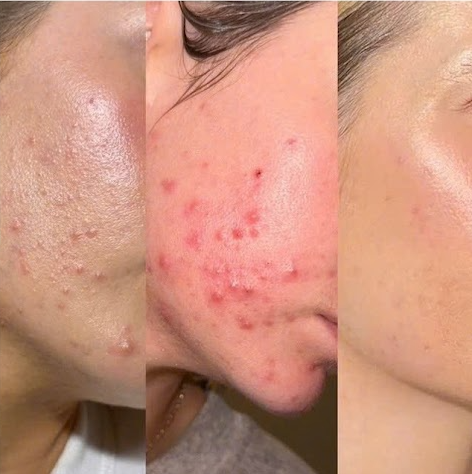
Acne — Why Is Treatment More Than Acne Extraction?
Acne — Why Is Treatment More Than Acne Extraction? DIVA Poipet explains Closed comedones are not the same and Oily skin
Open→
Post-Acne Marks — Why Do They Fade Quickly for Some People but Last Longer for Others?
Post-Acne Marks — Why Do They Fade Quickly for Some People but Last Longer for Others? Practical guidance and realistic
Open→
Acne Scars — Why Can One Method Not Treat Every Type?
Acne Scars — Why Can One Method Not Treat Every Type? DIVA Poipet explains Scars form when acne inflammation and Tethere
Open→