DIVA Insights & Poipet Skin Trends
Observations from DIVA Skin Clinic Poipet on how climate, border-town lifestyle, night-shift work and cross-border client patterns shape common skin concerns in Poipet, Cambodia.
DIVA Insights & Poipet Skin Trends — Knowledge Center — DIVA Skin Clinic Poipet
DIVA Insights & Poipet Skin Trends — Knowledge Center — DIVA Skin Clinic Poipet
Knowledge Center — Category 1 of 8
Notes from day-to-day practice at DIVA Skin Clinic Poipet — a border town with a warm, humid climate, mixed indoor and outdoor lifestyles, a large share of night-shift work, and a client base that includes Cambodian, Thai, Vietnamese, Indonesian, Malaysian and Chinese-speaking visitors.
These are general, honest observations, not statistics, survey data or clinical research.
Why This Page Exists
Local Context Shapes Treatment Direction
Skin behaves differently depending on climate, daily sun exposure, indoor air-conditioning, sleep pattern, travel frequency and the skincare that is actually available locally. Poipet sits on the
Cambodia–Thailand border, and that single fact explains a surprising amount about the skin concerns that walk through the door: the heat and humidity, the long hours many residents spend working at night, the constant movement of people crossing for work or trade, and a client mix of
long-term residents alongside short-stay visitors who only have a narrow window for treatment.
This page collects general, non-clinical observations only. It does not replace a direct skin assessment, and it deliberately avoids statistics, percentages, survey figures or client counts that
DIVA has not actually measured. Where we describe a pattern, we are describing something we notice repeatedly in conversation and consultation — not a study. Every skin is individual, and the only reliable way to know what is happening on your face is to have it assessed directly.
Think of the sections below as the answers to the questions we are asked most often, written down honestly. Some of them are about skin biology. Some are about human behaviour — how people choose treatments, why they stop, what they worry about. Both matter, because a treatment plan only
works if it fits the person living inside the routine.
On This Page
- Why do people who live in Poipet a while start breaking out?
- Why does skin get worse despite using many products?
- Why does treating at many places still not improve skin?
- Why do clients choose a treatment like food from a menu?
- Why don't many people want to buy a treatment course?
- Why do clients often abandon treatment midway?
- What do international clients in Poipet care about?
- How does night-shift work affect the skin?
- Common misconceptions of clients in Poipet
- Trends in how people book, ask price and choose services
Observation 01
Why do many people who live in Poipet for a while start breaking out?
A pattern we hear often: someone moves to Poipet for work, their skin is fine for the first weeks or months, and then breakouts appear where they never used to. It is easy to assume the water changed or a product went bad, but the more consistent explanation is simpler. Acne is fundamentally driven
by a mix of excess oil, blocked pores, the bacteria that live in those pores, hormones and daily habits. A hot, humid border town quietly turns up several of those dials at once.
Heat and humidity increase sweating and oil production, and sweat mixed with sunscreen, dust from a busy road town and leftover makeup gives pores more to clog with. Frequent switching between hot outdoor air and cold air-conditioning stresses the skin barrier, and a stressed barrier reacts by
becoming both oilier in places and more sensitive in others. Add irregular meals, late nights, and the ordinary stress of relocating and working long hours, and the skin has every reason to change even though the person feels they are “doing nothing different.”
There is also a habit factor. New arrivals often change their skincare when they change country
— new brands are available, old ones are not, and people experiment. Constant product swapping is itself one of the most common triggers for congestion and irritation, because the skin never gets a stable routine long enough to settle. The breakout is real, but it is usually a response to a
changed environment and routine rather than a sign that something is fundamentally wrong.
The practical takeaway is that new-onset acne in Poipet is best treated by looking at the whole picture — barrier condition, oil control, product history and lifestyle — not just by attacking the visible spots. That is why our first step is assessment, not a machine. For the
biology and treatment direction, see
Acne Treatment in Poipet
and
Why Acne Keeps Coming Back
.
Observation 02
Why does skin get worse despite using many products?
This is one of the most common frustrations we hear. Someone shows a bag of serums, essences, spot treatments and masks, and their skin is redder, drier or more broken out than when they had almost nothing. It feels backwards, but it makes sense once you understand that the outer layer of skin is
a barrier, and most active ingredients work by gently disturbing that barrier to force a change.
Ingredients like exfoliating acids and retinoids are useful when used with purpose, but they were never designed to be stacked all at once. Combining strong actives — for example a retinoid at the same time as an exfoliating acid, or a vitamin C acid alongside another acid in one session
— is a well-known way to over-strip skin. When several products each ask the barrier to renew faster, the barrier loses the fight. It becomes reactive: stinging, flaking, patches of redness, and paradoxically more breakouts because a damaged barrier over-produces oil to compensate.
There is also the trap of chasing results. When skin does not improve in a week, the instinct is to add something stronger rather than to give the routine time. More products then means more chances for irritation, more fragrance and preservatives, and less clarity about what is actually helping.
In practice, the skin that improves fastest is often the one that goes back to a short, gentle routine — a mild cleanser, a barrier-supporting moisturiser, sunscreen — and adds actives back deliberately, one at a time.
The lesson is not “products are bad.” It is that ingredients have roles, limits and combinations that conflict. Choosing fewer things well beats owning many. See
What to Mix and Avoid in Skincare
,
How to Choose Skincare Products
, and for skin already damaged by over-use,
Recovery for Steroid-Damaged Skin
.
Observation 03
Why does treating at many places still not improve the skin?
Some clients arrive having already tried several clinics or spas, often for the same concern, and feel that nothing has worked. It is a discouraging place to be. In our experience the problem is rarely that every previous provider was incompetent. More often it is a lack of continuity: each
place started a new plan, ran a few sessions, then the client moved on, so the skin was repeatedly pushed into the early, reactive phase of a treatment without ever reaching the stabilising phase.
Skin concerns like scarring, pigmentation and stubborn acne improve in stages, not in single visits.
A method that is genuinely helping can look like it is doing nothing — or even look worse
— in the short window before the skin settles. When someone changes provider every few weeks, they keep restarting that clock. They also lose the record: the new place does not know what was used, at what strength, or how the skin reacted, so it cannot build on progress and sometimes
repeats a step the skin already struggled with.
There is a second, quieter reason. Treating the same visible concern the same way at every stop ignores the fact that two people with “melasma” or “acne scars” may need very different priorities depending on inflammation, barrier condition, pigment risk and how their
skin heals. A plan that is right for one person can be exactly wrong for another. Without assessment first, treatment becomes guesswork, and guesswork rarely compounds into a result.
This is why DIVA treats assessment, records and follow-up as part of the treatment, not extras. If you have been to several places, that history is useful information, not a failure. Read
Why Treatment Results Differ Between People
and
Why Consultation and Aftercare Matter
.
Observation 04

Why do clients choose a treatment method the way they choose food from a menu?
A large share of first conversations open with a request for a specific machine or procedure:
“I want Pico,” “book me for CO2,” “how much is HIFU.” It is completely understandable. Treatments are marketed by name, friends recommend by name, and it feels more in control to ask for a known item than to describe a vague concern. People choose from a menu
because a menu is how beauty services are usually sold.
The difficulty is that a treatment name is not a treatment plan. Pico, CO2 fractional laser, RF microneedling, peels and injectables each act at a different depth of the skin and are suited to different problems and different starting conditions. Choosing the device first is like ordering a
strong medicine by name before anyone has said what the illness is. Sometimes the requested method is exactly right. Sometimes the skin needs its barrier calmed or its inflammation controlled before any energy-based device would be safe or effective, and going straight to the machine would make
things worse.
DIVA's position is not to refuse what a client asks for. If you already know what you want, you can ask for it directly — but the skin is checked first to confirm the choice is suitable. If it is, we proceed. If another method would be safer or more effective, we explain why and offer the
alternative, and the decision stays with you. That check is the difference between selling a service and directing a treatment.
This menu instinct is so common that it shapes how we run consultations. For the reasoning behind matching method to skin rather than to marketing, see the
DIVA 3-Phase Treatment System
, the
Technology & Methods
hub, and how DIVA approaches treatment
.
Observation 05
Why don't many people want to buy a treatment course or package?
When we explain that a concern like scarring or melasma usually needs several sessions spaced over weeks, a common reaction is hesitation about committing to a course upfront. This is reasonable, and it usually comes from real experience rather than stinginess. Many people have, at some point, paid
for a package somewhere and felt locked in — obligated to keep going even when they were not sure it was working, or unable to get a refund when circumstances changed.
In a border town the hesitation is sharper because plans are less predictable. Work schedules change, people cross back and forth, and a visitor cannot always be sure they will be in Poipet for the next appointment. Buying a fixed course of six or eight sessions feels risky when you do not
know if you can attend all of them. There is also a trust element: if a client has been upsold before, they read any package offer as a sales tactic first and a treatment plan second.
We treat this as a fair concern rather than an objection to overcome. Session counts genuinely are estimates, not promises — how a person responds decides how many are actually needed, and a good plan is reviewed and adjusted along the way rather than sold as a fixed block. The honest
version of “you may need several sessions” is a range framed around your individual response, not a quota you must fulfil. That framing matters more than any discount.
DIVA's support, warranty and refund policy exists precisely so that committing to treatment does not feel like a trap. Clients who prefer to read it in Vietnamese can see
Chính sách hỗ trợ, bảo hành & hoàn tiền
, and the general version is in
DIVA's Warranty & Refund Policy
.
Observation 06
Why do clients often abandon treatment midway?
Dropping out partway through is common, and the reasons are usually practical and emotional rather than a real judgement that treatment failed. The single biggest one is the middle slump. Many concerns look worse before they look better — pigmentation can darken temporarily after laser
as old pigment surfaces, acne can purge in early weeks, and skin can peel or stay red for several days. A client who does not expect this reads it as the treatment going wrong and quietly stops.
Life is the other big reason. In Poipet, night-shift schedules, travel across the border and changing work make it hard to keep appointments spaced correctly. Miss the right window and the momentum breaks; skip two visits and it is easy to never come back. Money is a factor too —
when improvement feels slow, continuing spending feels harder to justify, especially if no one explained at the start that results are progressive.
We see this as largely preventable through expectation-setting. If a client knows before they begin what a normal reaction looks like, roughly how long each phase lasts, and when a change is worth a message to us, the temporary bad patch stops being frightening. That is the whole point of clear
aftercare guidance: it keeps people in treatment through the phase where quitting feels tempting but is least justified. Knowing the difference between a normal reaction and a warning sign is what turns
a scary week into a manageable one.
If you are mid-treatment and unsure whether what you see is normal, message DIVA before you decide to stop. Start with
Normal vs Abnormal Reactions After Treatment
and
Aftercare & Support
.
Observation 07
What do international clients in Poipet usually care about?
Poipet's location means a genuinely mixed client base, and each group tends to arrive with slightly different priorities and questions. These are broad tendencies, not rules — individuals vary enormously — but the patterns are consistent enough that we have written language-specific
guides so nobody has to negotiate an important decision in a second or third language.
Indonesian clients
living or working in Poipet often ask first about being understood and about clarity — what a treatment involves, what the aftercare is, and whether they can get answers in Bahasa Indonesia. Being able to describe a concern comfortably in their own
language changes how much they trust the plan. That guide is
Klinik Kecantikan Poipet untuk Klien Indonesia
.
Vietnamese clients
tend to come with clear, specific goals and a good working vocabulary for treatments, and often want a direct conversation about method and expected progress.
Malaysian clients
frequently ask about scheduling around a short visit and about how services and aftercare compare to what they know at home.
Chinese-speaking clients
commonly want the process, safety and recovery laid out clearly before deciding. Each has a guide:
Tiếng Việt
,
Bahasa Melayu

and
中文指南
.
A cross-cutting group worth naming is men, who in a border trade town often present with acne, oil, ingrown-hair and pigmentation concerns but ask fewer questions and want efficiency — see
Skin Treatment for Men in Poipet
.
Local Cambodian clients, our home base, are covered in
DIVA for Clients in Poipet
.
Whatever the language, the priority behind the question is usually the same: to be understood and to not be sold something unnecessary.
Observation 08
How does night-shift work affect the skin?
Poipet has an unusually large share of people who work at night — hospitality, gaming venues, cross-border trade and services that run into the early hours. DIVA itself keeps late hours for this reason. Working nights is not, by itself, a skin disease, but a reversed body clock touches several
of the things skin depends on, and over months the effect shows on the face.
The most direct link is sleep. Skin does much of its repair and barrier maintenance during rest, and broken or daytime sleep — often shorter and lighter because of light and noise — gives it less chance to recover. The visible results tend to be dullness, more reactive or dehydrated skin,
slower healing after treatment, and a lower tolerance for strong actives. Late nights also tend to travel with other triggers: irregular meals, more caffeine and sugar, more stress, sometimes more makeup worn for long shifts and removed late or in a hurry.
There is a practical treatment angle too. Because night-shift skin often heals more slowly and sits closer to being barrier-stressed, aggressive procedures without a recovery buffer are riskier, and pigment concerns can be more stubborn if the skin then gets daytime sun on the way home without
protection. This is one of the clearest cases where lifestyle genuinely changes what treatment is wise — not a reason to refuse treatment, but a reason to pace it and to lean harder on barrier support and sun protection between sessions.
We do not moralise about work schedules; people work the hours they have. The useful response is to build the routine around the shift — realistic cleansing after work, barrier and hydration support, and disciplined sunscreen — and to time treatments so the skin has room to recover.
For the barrier side of this, see
Sensitive Skin & Barrier Repair
.
Observation 09
Common misconceptions of clients in Poipet
Some beliefs come up so often that correcting them gently is part of almost every consultation.
None of these make anyone foolish — they are exactly the conclusions you would reach from marketing and word of mouth. But each one leads to disappointment if it goes unexamined.
“Stronger or more expensive treatment means a better result.”
A high-cost or advanced technology used at the wrong time, at the wrong intensity, or without recovery support can produce a worse outcome than a simpler, well-timed method. Suitability matters more than power.
“One session should fix it.”
Scars, pigmentation, chronic acne and texture improve in stages over multiple sessions. A single visit can start the process; it rarely completes it. Expecting one-and-done is the fastest route to feeling let down.
“Sunscreen is optional, especially at night or indoors.”
Sun exposure is one of the most common factors behind pigmentation and behind pigment returning after treatment. Skipping protection undoes progress quietly. This is one of the few near-universal rules.
“Peeling, redness or a temporary breakout means the treatment failed.”
Many of these are normal, expected reactions in the days after a procedure. The important skill is telling a normal reaction from a warning sign — which is what our aftercare guidance is for.
“Laser whitens skin and permanently removes melasma.”
Used wrongly, laser can actually worsen melasma and trigger post-inflammatory pigmentation. Pigment concerns need a careful, combined and often long-term approach, not a single aggressive pass.
For the melasma point specifically, read
Why Laser Can Make Melasma Worse
and
Melasma & Pigmentation Treatment
.
Observation 10
Trends in how people book, ask about price and choose services
How people reach a clinic in Poipet has shifted toward messaging. Most first contact now comes through WhatsApp or Telegram rather than a phone call or a walk-in, and it often arrives with a photo attached and a short description of the concern. That is a healthy trend: a clear photo and a
sentence about what is bothering you lets us give useful preliminary direction before you travel, which matters when someone is crossing a border for the visit.
The most common opening question is still price, and usually price for a named treatment. It is a sensible question, but the honest answer almost always depends on the assessment, because the same concern can need different methods and a different number of sessions depending on the skin. We try
to answer the price question without pretending a single number can be promised before we have seen the skin — and without turning a price enquiry into a hard sell. People remember being pushed, and in a town where reputation travels fast, that matters.
In how they choose, we notice two groups. One arrives decided, naming a specific machine or service; the other arrives with a concern and no idea which treatment fits, wanting to be guided. Both are welcome, and both get the same first step — a check of the actual skin. There is also a
growing preference for appointment-based, unhurried visits over walk-in queues, which suits how DIVA already works: by appointment only, with a controlled treatment flow rather than a production line.
Underneath the trends is a simple shift in what people want: clear information, honest expectations and not being sold something they did not need. That is the standard we try to hold every message to. To see how services are organised, browse the
Skin Concerns
and
Treatments & Technology
hubs.
Quick Questions
Poipet Skin, Answered Briefly
Is the Poipet climate really bad for skin?
It is not “bad,” but heat, humidity and constant air-conditioning switching do stress the barrier and raise oil and sweat, which can worsen acne and sensitivity. It is manageable with the right routine and sun protection rather than something to fear.
I only visit Poipet occasionally — can I still be treated?
Yes. Many clients travel from across the border or from other countries. Message us your concern and your visit window and we will suggest what can realistically be done in that time, and what may need follow-up.

Can I just ask for a specific machine like Pico or CO2?
You can. We check your skin first to confirm the method suits your condition. If it does, we proceed; if another approach would be safer or more effective, we explain why and the choice stays yours.
Do you offer service in my language?
DIVA serves Cambodian, Vietnamese, Indonesian, Malay and Chinese-speaking clients, and we have written guides in several languages. Tell us your preferred language when you message.
Skin Concerns
Treatments & Technology
About DIVA
All Articles
Have a specific concern in mind?
Send your concern and a clear photo. DIVA will explain the likely assessment and treatment direction — honestly, and without pressure to buy anything.
Contact on WhatsApp
Send Skin Photos on Telegram
Share this page
Send useful treatment information to someone you trust.
Share
Copy link
DIVA Skin Clinic Poipet
Personalized treatment based on real skin condition.
DIVA provides individualized skin, laser and aesthetic treatment direction based on the client's actual condition, treatment priority, recovery capacity and realistic goals.
Poipet, Cambodia
Receive clients by prior contact.
+855 88 476 8999
@diva_glow_poipet
@diva_glow_poipet
View DIVA on Google Maps
Full contact page
Treatments
Acne Treatment
Acne Scar Treatment
Pico Laser
CO2 Fractional Laser
Skin Booster
IV Whitening
Back Acne Treatment
Laser Hair Removal
View All Treatments →
Knowledge & Support
DIVA Knowledge Center
DIVA Insights
Skin Concerns
Treatments & Technology
Research & Updates
Treatment Guides & Aftercare
Real Treatment Case Studies
DIVA Treatment Philosophy
About DIVA
DIVA Skin Notes
FAQ
Nguyen Hai Dang
© 2026 DIVA Skin Clinic Poipet. All rights reserved.
Educational content by
Nguyen Hai Dang
— Founder & Treatment Practitioner.
Privacy Policy
Terms
Client Support
Website information is educational and does not replace individual assessment or medical care. Treatment suitability and results vary between clients.
x
Why do many people start developing acne after living in Poipet for a while?
Why do many people start developing acne after living in Poipet for a while? DIVA Poipet explains Night-shift work and i
Open→
Why does the skin keep getting worse despite using many products?
Why does the skin keep getting worse despite using many products? DIVA Poipet explains A product that suited the skin an
Open→
Why does the skin still not improve after treatment at many different places?
Why does the skin still not improve after treatment at many different places? Practical guidance and realistic next step
Open→
Why do clients choose treatment methods as if they were choosing food from a menu?
Why do clients choose treatment methods as if they were choosing food from a menu? Practical guidance and realistic next
Open→
Why Many People Do Not Want to Buy a Treatment Package
Why Many People Do Not Want to Buy a Treatment Package. DIVA Poipet explains Clients have bought treatment and Clients d
Open→
Why Do Clients Often Stop Treatment Partway Through?
Why Do Clients Often Stop Treatment Partway Through? DIVA Poipet explains Clients cannot see clear progress and Initial
Open→
What Do Indonesian Clients in Poipet Usually Care About?
What Do Indonesian Clients in Poipet Usually Care About? DIVA Poipet explains Clear pricing and the option to and Whethe
Open→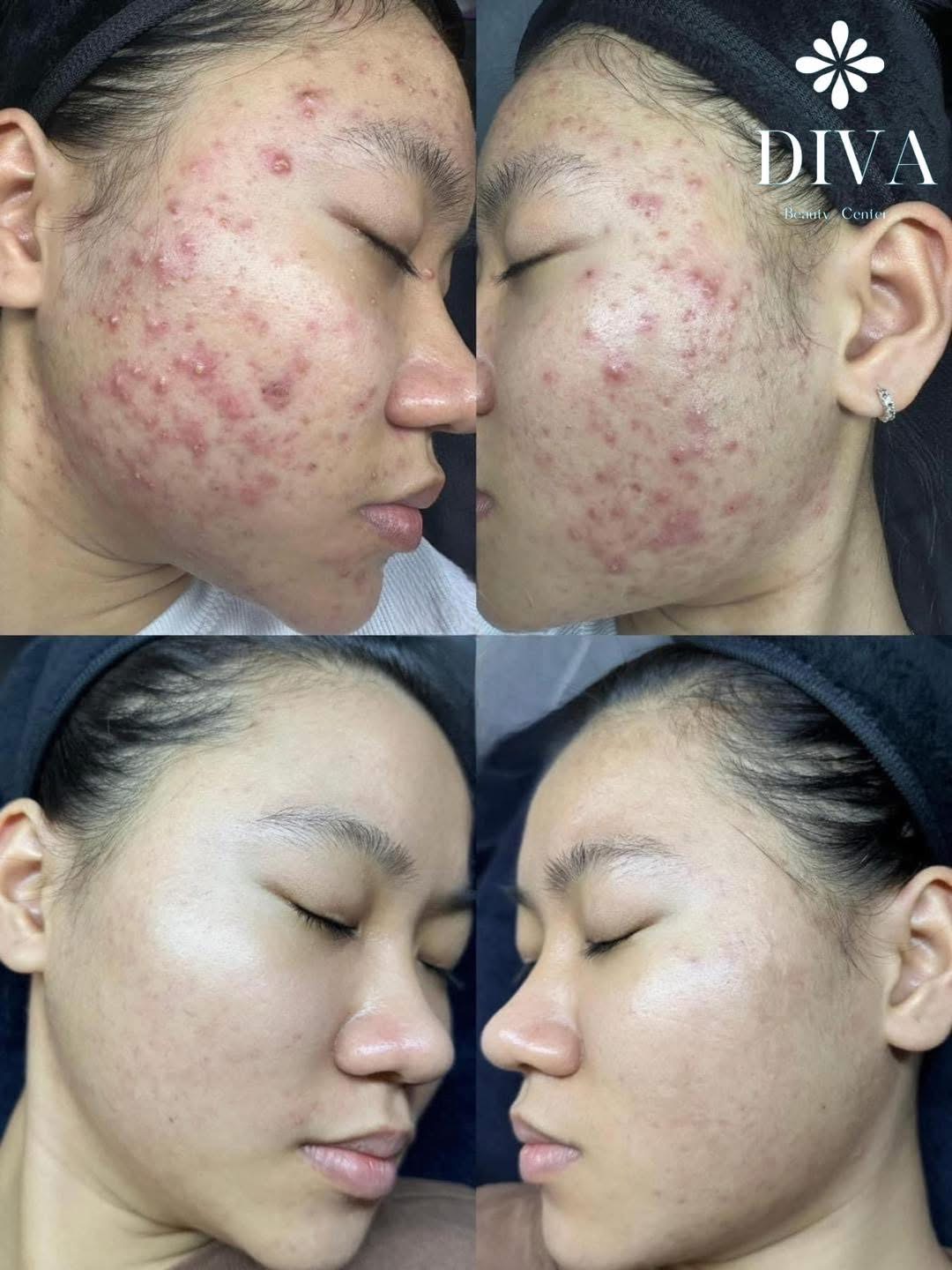
How Does Working Night Shifts Affect the Skin?
How Does Working Night Shifts Affect the Skin? DIVA Poipet explains The body clock is disrupted and The skin can easily
Open→
Common Misconceptions Among Clients in Poipet
Common Misconceptions Among Clients in Poipet. DIVA Poipet explains A facial can treat every skin and Removing all comed
Open→
Booking, Pricing, and Service-Selection Trends in the Poipet Area
Booking, Pricing, and Service-Selection Trends in the Poipet Area. DIVA Poipet explains Clients ask about price before a
Open→Swipe to view more videos · Real treatment media from DIVA. Individual results vary.
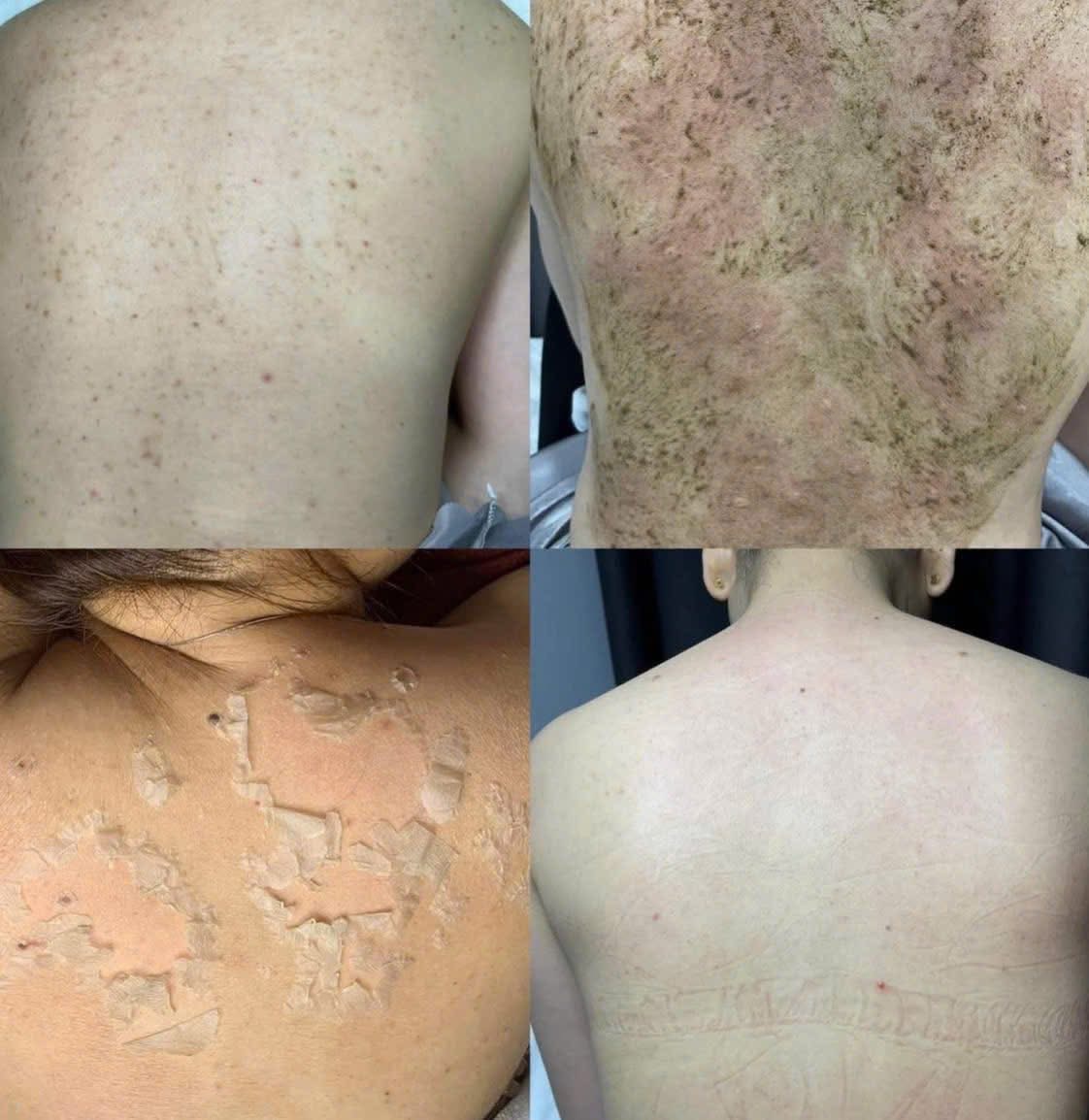
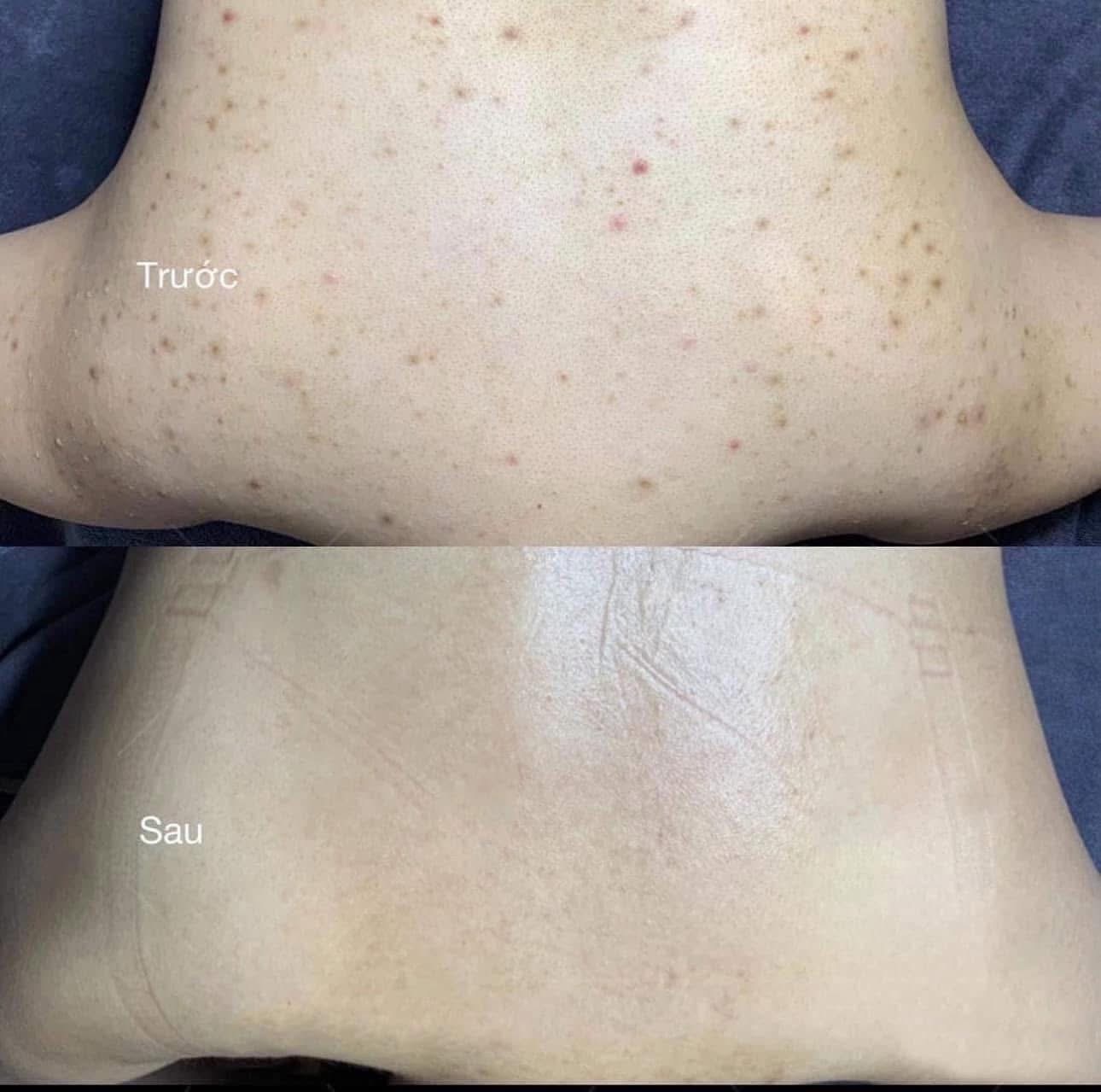



Swipe to view more · Selected real media from DIVA. Individual results vary; images are for treatment reference.