How Does Working Night Shifts Affect the Skin?
How Does Working Night Shifts Affect the Skin? DIVA Poipet explains The body clock is disrupted and The skin can easily lose its.
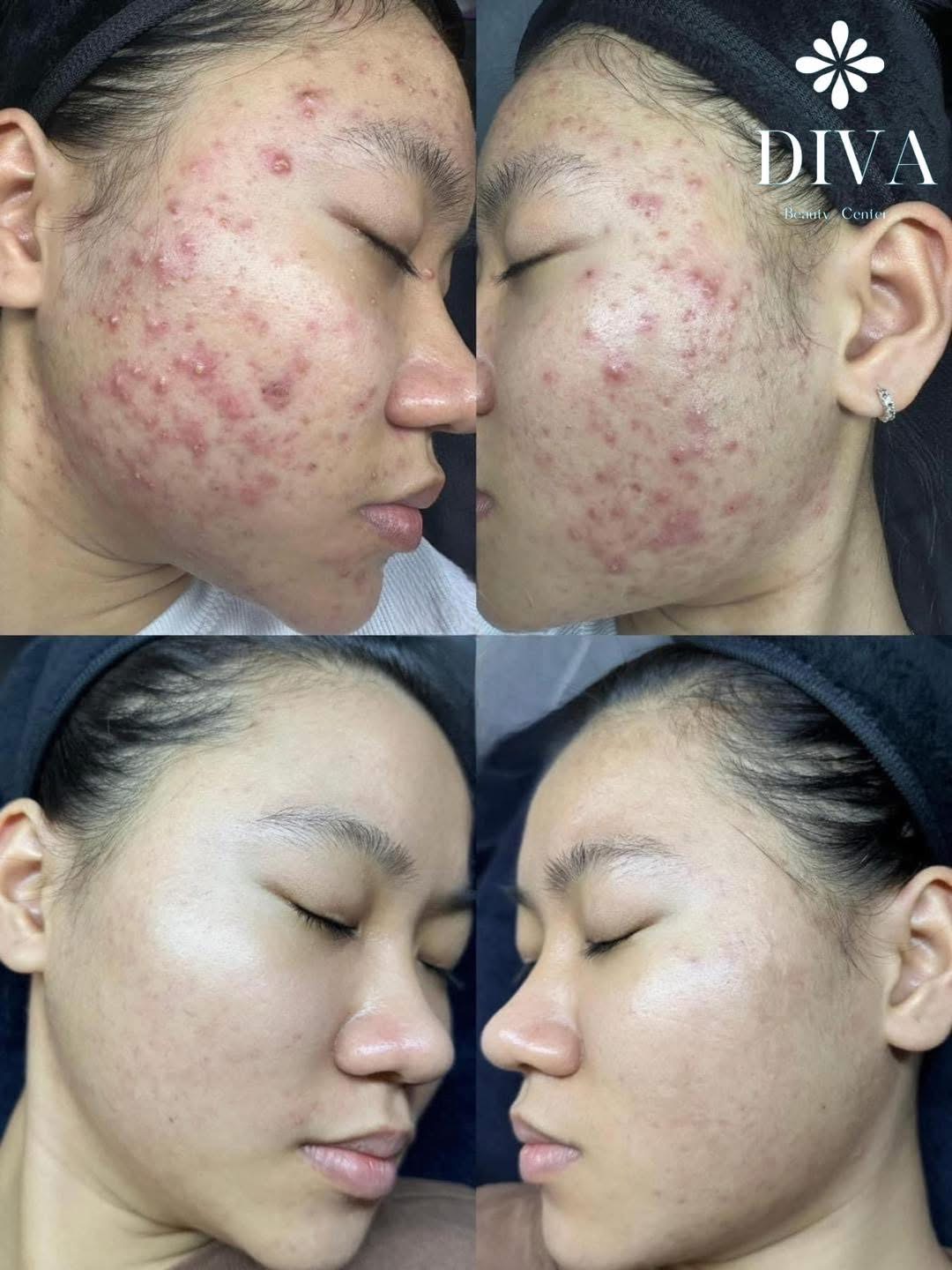
In Poipet, working night shifts is a normal part of life for many people. Some start work in the evening and finish the following morning. Others change shifts constantly, sleep in short periods, or maintain a routine opposite to natural daylight for many months.
Not everyone who works night shifts develops skin problems. However, when acne, dullness, sensitivity, or premature ageing appears, the person’s routine is a factor that should be considered instead of focusing only on cosmetics.
- The body clock is disrupted
The body works according to a day-and-night rhythm. When sleep, meals, and light exposure change continuously, it becomes difficult for the body to maintain a stable cycle.
The skin also has recovery processes that depend on rest. If sleep is short, interrupted, or takes place at very different times, the skin may recover more slowly after inflammation and after treatments.
This does not mean sleeping during the day will definitely make the skin worse. The larger issue is an irregular sleep schedule and poor sleep quality.
- The skin can easily lose its oil-and-water balance
People who work night shifts often spend many hours in air-conditioned rooms. Dry air can dehydrate the skin, while stress and lack of sleep can make the surface produce more oil.
As a result, clients may feel that their skin is both dry and oily. They use strong cleansing products to reduce shine, but this can leave the skin tighter and more sensitive.
When the skin barrier is out of balance, pores are more likely to become congested and acne products are also more likely to cause irritation.
- Late-night eating and sweet drinks
Night shifts often come with coffee, energy drinks, milk tea, fast food, or large meals close to bedtime.
No particular food causes acne in everyone. However, irregular eating and frequent intake of sweet foods or drinks may make inflammation, oiliness, and acne more difficult to control for some people.
More importantly, clients often do not notice this relationship because the eating pattern has become part of daily life.
- Cleansing at the wrong time
People working night shifts often do not know which part of their routine should be called morning or evening. Some wear makeup to work, return home early in the morning, and only wipe their face briefly before sleeping. Others wash their face many times during a shift because it feels oily.

The routine should be designed around waking and sleeping times, not necessarily the clock.
Before the longest sleep period begins, the skin needs to be thoroughly cleansed and given an appropriate treatment or recovery product. After waking and before going outside, moisturiser and sunscreen are needed if there will be light exposure.
- Light exposure is different from daytime workers
Some people think that working night shifts means they do not need sunscreen. However, they may leave work in the morning, travel outdoors, or sleep in a room with light coming in.
After laser, peel, or pigmentation treatment, even this short period of exposure can affect the skin.
Sunscreen should be used according to the time of light exposure, not according to whether a client calls it “night” or “morning” in their personal routine.
- Stress and the habit of touching the face
Long work hours, pressure, and fatigue make many people unconsciously touch their face, pick at acne, or rest their chin on their hand while working.
Keyboards, phones, and hands are not always clean. Repeating these habits every day can make the chin, cheeks, or forehead more prone to inflammation.
When tired, clients are also less likely to follow their care routine and more likely to squeeze lesions themselves in order to make the skin look “clean” quickly.
- Recovery after treatment can be affected
Methods such as CO₂, RF Microneedling, peel, or injections need time for the skin to recover. If clients return to a long shift immediately after treatment, wear makeup early, sleep too little, or stay in a dusty environment, recovery can be more difficult.
Therefore, choosing a method should be based not only on the skin condition but also on the client’s work schedule in the following days.
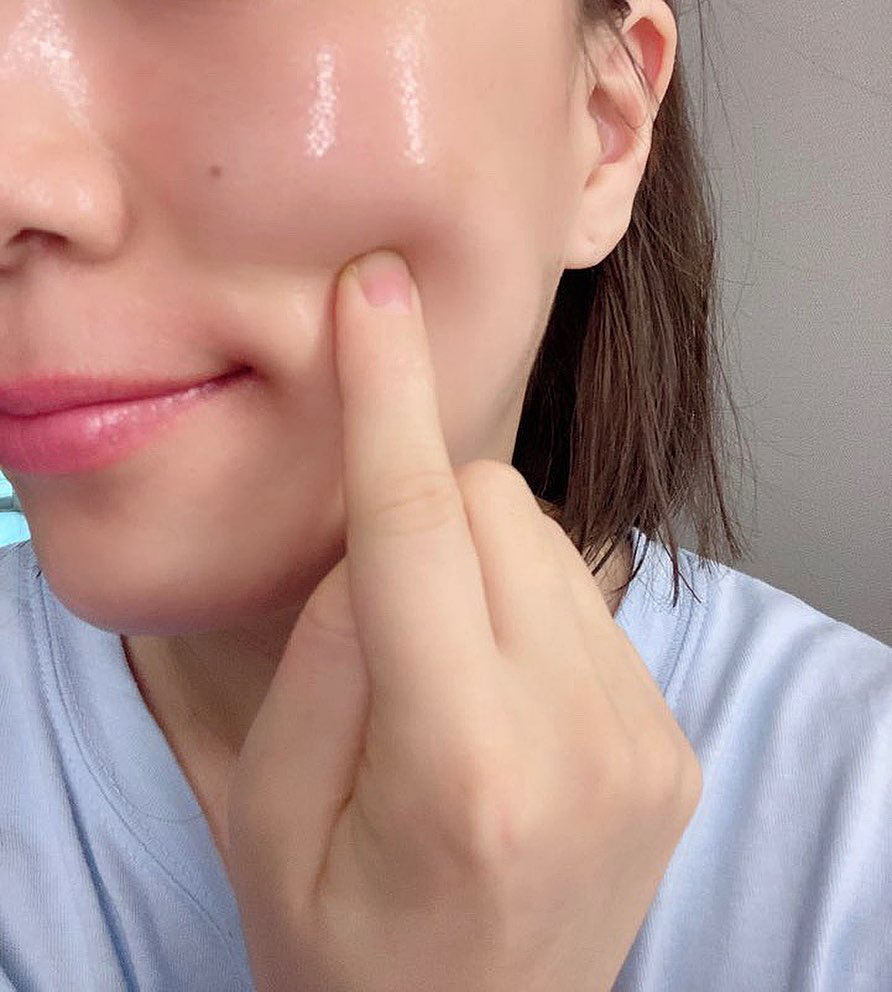
A low-downtime service with moderate results can sometimes be more suitable than a stronger treatment that the client is not able to care for properly.
- The problem cannot be solved with one product alone
Clients who work night shifts often look for an acne serum, brightening cream, or supplement to “make up for” their lifestyle. However, no product can fully replace sleep, diet, and the body’s ability to recover.
A more realistic approach is to reduce the impact: keep sleep timing as stable as possible, simplify skincare, drink enough water, avoid changing products too often, and choose treatment times that fit the schedule.
DIVA’s Perspective
DIVA does not require night-shift clients to completely change their lives before treatment. What matters is building a plan that fits their real circumstances.
During consultation, it is important to ask when clients sleep, when they wear makeup, how many days they can rest, and what aftercare they can manage. “Morning” and “evening” instructions should be changed to “after waking up” and “before sleeping.”
For weakened skin, recovery may be needed first. For clients with no downtime, lighter methods should be chosen. When performing a deeper treatment, it needs to be scheduled for a time when the client can rest and be monitored.
Conclusion
Working night shifts is not the only cause of acne or ageing, but it can create several conditions that make the skin harder to stabilise: irregular sleep, air conditioning, late-night eating, stress, care at the wrong time, and poorer recovery.
To improve the skin, both the care routine and treatment plan need to be adjusted to the client’s actual lifestyle. A method that suits someone working daytime hours may not suit someone working night shifts.
DIVA Insights & Poipet Skin Trends
Observations from DIVA Skin Clinic Poipet on how climate, border-town lifestyle, night-shift work and cross-border clien
Open→
Why do many people start developing acne after living in Poipet for a while?
Why do many people start developing acne after living in Poipet for a while? DIVA Poipet explains Night-shift work and i
Open→
Why does the skin keep getting worse despite using many products?
Why does the skin keep getting worse despite using many products? DIVA Poipet explains A product that suited the skin an
Open→
Why does the skin still not improve after treatment at many different places?
Why does the skin still not improve after treatment at many different places? Practical guidance and realistic next step
Open→