Why Do Clients Often Stop Treatment Partway Through?
Why Do Clients Often Stop Treatment Partway Through? DIVA Poipet explains Clients cannot see clear progress and Initial expectations were not.

In practice, many clients do not stop treatment because there are absolutely no results. They often stop in the middle of the process, when their condition has only begun to stabilise or before reaching the stage of the clearest improvement.
This happens quite often in Poipet, where clients’ work schedules, income, accommodation, and daily routines can change continuously. To reduce treatment drop-off, it is necessary to understand the real reasons rather than simply assuming that clients lack persistence.
- Clients cannot see clear progress
If clients come in for each session, receive the service, and leave without being shown how their skin is changing, it is difficult for them to know whether the process is moving in the right direction.
Acne may become less inflamed before the number of lesions decreases. Pigmentation may need time to shed, fade, and stabilise. Scars require multiple regeneration cycles. Hair removal requires monitoring the reduction in density, growth speed, and thickness of the hair.
Without comparison photos or assessment at each stage, clients can easily feel that “nothing looks different” and stop.
- Initial expectations were not aligned
If advertising makes clients think that one session can solve almost the entire problem, but the reality requires more time, they will be disappointed.
Conversely, when the likely level of improvement, reference number of sessions, downtime, and the role of home care are clearly explained from the beginning, clients can prepare themselves better.
Stopping treatment often begins with an unrealistic promise at the first consultation.
- Unexpected additional costs
Clients may accept an initial price, but are later asked to buy more products, switch to a more expensive method, or add multiple services.
When the total cost goes beyond their budget, clients often do not say so directly. They simply message, “Maybe next time,” “I’m busy,” or stop responding.
A sustainable treatment plan must suit the client’s real financial capacity, not only the clinically ideal method.
- The appointment schedule does not fit their work
Many clients in Poipet work night shifts, sleep during the day, or have their shifts changed unexpectedly. They may confirm an appointment, but close to the time they may need to work, oversleep, or not have enough time for downtime.
If treatment requires follow-up on an exact date but appointments are too rigid, clients can easily stop.

For this group, flexible scheduling, reminders at the right time, and options with different levels of downtime matter more than a fixed schedule.
- Post-treatment reactions make clients anxious
Redness, dryness, peeling, mild swelling, or temporarily darker pigmentation can be part of the expected process with some methods. However, if clients are not prepared beforehand, these signs can easily be interpreted as skin damage.
Some people stop all treatment, buy other products themselves, or go elsewhere as soon as they see changes in their skin.
Clear aftercare and prompt responses after treatment not only improve safety but also prevent clients from leaving the plan out of fear.
- Home care is too complicated
A routine with too many products, too many application times, and too many restrictions is difficult for clients to maintain.
Someone who works night shifts may not have a “morning” and “evening” that match a normal schedule. If instructions do not suit their actual routine, they can easily use products incorrectly or stop altogether.
Home care should be simple enough for clients to follow consistently. A plan that is perfect on paper but impossible to maintain in real life will not produce results.
- Clients think they are cured as soon as the skin improves
When acne becomes less inflamed or the skin surface looks brighter, some clients stop immediately because they feel that the goal has been reached.
However, the stabilisation and maintenance phase often determines whether the condition will recur. If treatment stops before the skin foundation is stable, the problem may return after a few weeks or months.
This can lead clients to conclude that the method does not last, even though they stopped before completing the plan.
- Clients do not feel that they are being followed up
In many large systems, clients may meet one person for consultation, another for treatment, and a different person for messages. Information between sessions is not always continuous.

When clients have to explain their condition again at every visit, they can lose their sense of trust and connection.
For skin treatment, having one person who remembers the client’s history, reactions, and goals creates considerable value.
- Clients’ life priorities change
Not every case of stopping treatment is caused by the clinic. Clients may change jobs, return to their home country, face financial difficulty, move home, or have other health concerns.
A follow-up system needs to distinguish between clients who have paused and clients who are dissatisfied. When contact is made appropriately, many people may return once their circumstances are more stable.
DIVA’s Perspective
DIVA should not simply remind clients to “come for the next session.” Every follow-up should help clients understand three things: what has changed in their skin, which problem the next step addresses, and how to maintain progress if they need to pause.
A plan should begin with a suitable session, then be divided into short stages rather than one overly long commitment. The price, timing, and care requirements need to be clearly explained.
When clients miss an appointment, the first step is to determine whether they are busy, worried about a reaction, unable to see results, or facing a budget issue. Each reason requires a different approach.
Conclusion
Clients who stop treatment partway through are usually affected by multiple factors: misaligned expectations, unclear progress, unexpected costs, unstable routines, post-treatment reactions, or home care that is too difficult to follow.
Keeping clients does not mean selling a long package. More importantly, it means building a process that clients understand, can follow, and in which they feel properly supported.
When every step is clear and suitable for real life, clients are more likely to complete treatment.

DIVA Insights & Poipet Skin Trends
Observations from DIVA Skin Clinic Poipet on how climate, border-town lifestyle, night-shift work and cross-border clien
Open→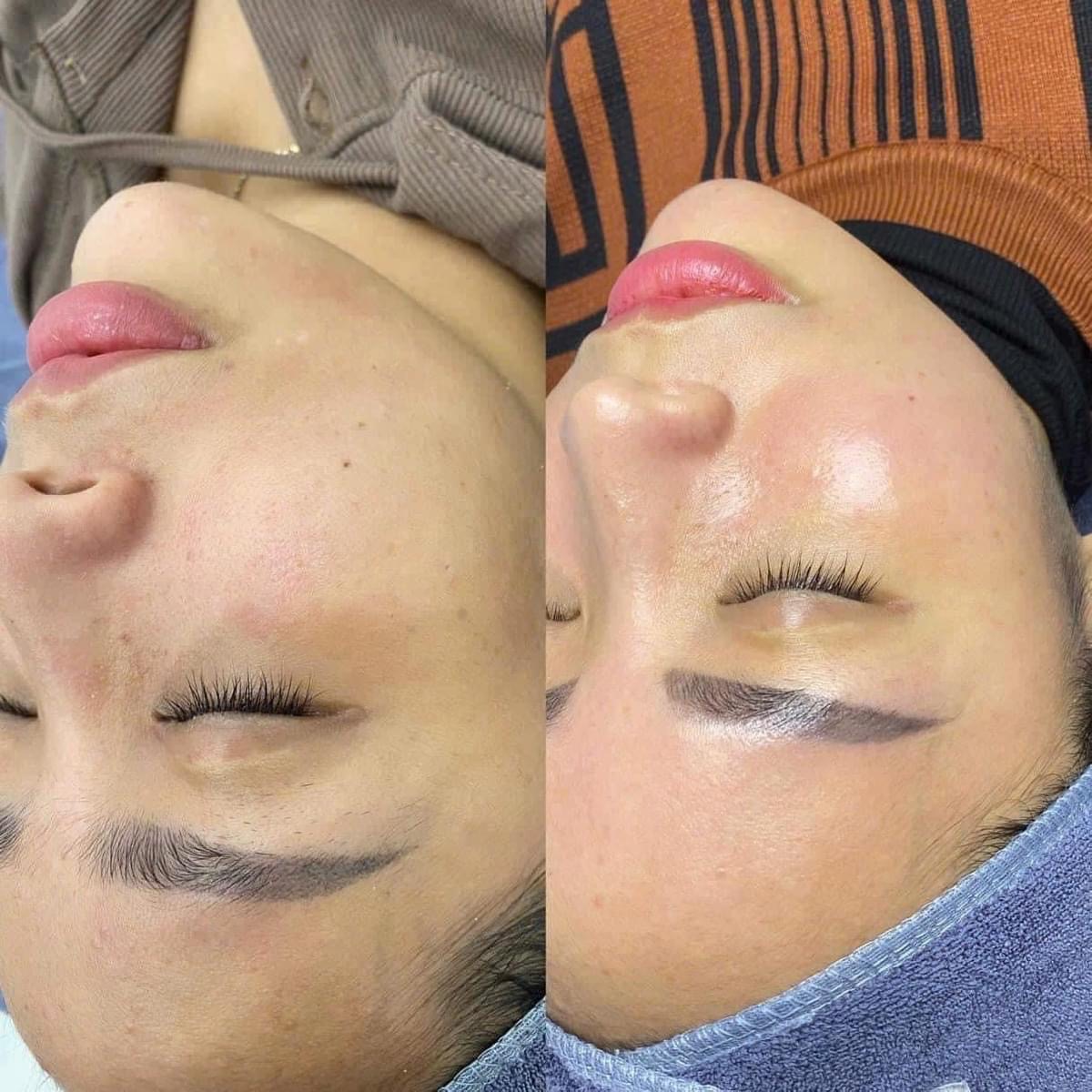
Why do many people start developing acne after living in Poipet for a while?
Why do many people start developing acne after living in Poipet for a while? DIVA Poipet explains Night-shift work and i
Open→
Why does the skin keep getting worse despite using many products?
Why does the skin keep getting worse despite using many products? DIVA Poipet explains A product that suited the skin an
Open→
Why does the skin still not improve after treatment at many different places?
Why does the skin still not improve after treatment at many different places? Practical guidance and realistic next step
Open→