Warning — What Risks Can Low-Cost Botox, Filler, and Products of Unclear Origin Create?
Warning — What Risks Can Low-Cost Botox, Filler, and Products of Unclear Origin Create? Practical guidance and realistic next steps from DIVA Skin Clinic Poipet.

Botox and filler are becoming increasingly common, which can make clients feel that they are simply quick beauty services. One message asking about price, a short appointment, and a few injections can create a noticeable change. This convenience can also cause many people to overlook that injections are procedures with risks that depend on the product, supply source, storage, anatomy, and ability to manage complications.
In late 2025, the U.S. Food and Drug Administration warned about multiple websites selling unapproved or mislabelled botulinum toxin products. The agency emphasised risks related to counterfeit products, contamination, incorrect storage, and serious symptoms resembling botulism poisoning.
- The “same Botox name” does not mean the same product
Clients often use Botox as a general name for botulinum toxin. There are many brands, concentrations, pack sizes, and storage requirements on the market.
When clients compare only the number of units or the total price, they may not know which product is being used, whether it is still in its original sealed box, where it was purchased, or how it has been stored.
A low price does not automatically prove that a product is counterfeit. However, if the price is unusually low, the brand is not disclosed, the packaging cannot be shown, or the supply source is not explained, clients need to be cautious.
- Botulinum toxin is not risk-free
The intended effect is to reduce muscle activity in the treated area. If the injection points, dosage, or technique are not appropriate, clients may experience asymmetry, eyelid drooping, changes in facial expression, difficulty chewing, or other functional problems.
More serious warnings relate to the possibility of effects spreading beyond the injection area, causing muscle weakness, difficulty swallowing, or difficulty breathing. These signs require immediate medical assessment and should not be monitored at home through messages.
- Filler can cause vascular occlusion
Filler is often promoted for the lips, chin, nasolabial folds, and many other areas. Ordinary reactions may include swelling, pain, bruising, and temporary unevenness. However, the most concerning complication is filler entering or compressing a blood vessel.
Vascular occlusion can cause tissue ischaemia, necrosis, and, in high-risk areas, may affect vision. For this reason, filler needs to be regarded as a medical procedure with risks, not a simple spa service.
The FDA also notes that not every product is approved for every injection area. Needle-free filler injection devices are not FDA-approved and have been linked to serious adverse events.
- Filler or botulinum toxin should not be bought online for self-injection
Products sold online may not be controlled for origin, storage temperature, or authenticity. Packaging that resembles genuine products is not enough to prove quality.
Clients should also not bring self-purchased products to a provider and request injection. The practitioner cannot verify the entire storage chain, and responsibility becomes unclear if a complication occurs.
- “Korean products” are not a single quality standard
Many good products are manufactured in South Korea, but the phrase “Korean product” is often used as a general assurance. Country of origin cannot replace the product name, manufacturer, batch number, expiry date, regulatory documentation, and distribution source.
Clients should ask specifically which product is being used, for which area, in what amount, and who will perform the procedure.
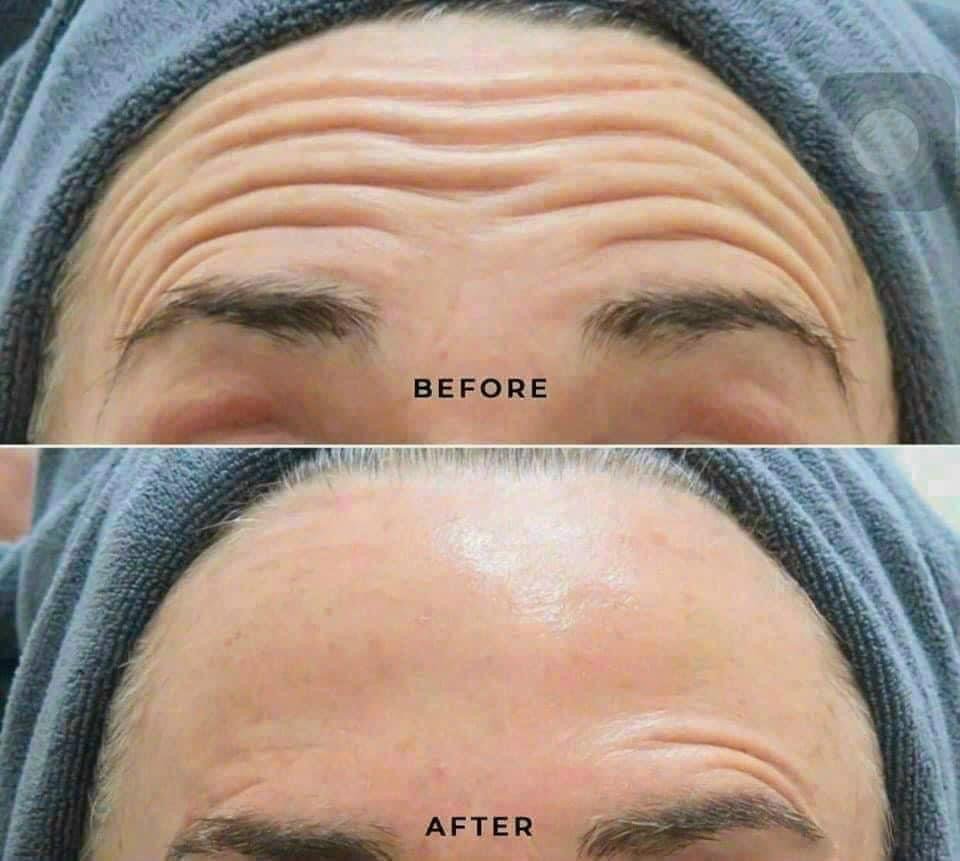
- Attractive reviews do not prove safety
Before-and-after images show only one point in time. They do not show whether the client experienced reactions afterwards, how long the product lasted, or how the provider managed problems.
A trustworthy channel should include content about limitations, contraindications, signs that require contact, and its follow-up process, not only results immediately after injection.
- Transparent pricing needs to come with transparent information
Public pricing helps clients make decisions more easily, but injectables should not become a race to be the cheapest. A responsible quotation needs to clarify the brand, expected amount of product, treatment area, objective, and the possibility that adjustment may be needed.
A certain number of months of duration should not be promised as a fixed outcome for everyone. The duration of effect depends on the product, injection area, metabolism, and dosage.
DIVA’s Perspective
DIVA should not agree to perform a procedure simply because a client has already selected a product or requested the lowest price. For injectable services, the first step is to identify the objective, history, area to be treated, and the limits of what can be achieved.
Products need a clear source, should be checked before use, and should be recorded in the client file. Clients need to know who performs the procedure, which product is used, and how to contact the clinic if unusual signs appear.
When a request is beyond what can be safely controlled or the risk is not appropriate, declining the service is the correct choice.
Conclusion
Botox and filler can create good results when the product, indication, and technique are appropriate. However, a low price, rapid advertising, and attractive images are not enough to assess safety.
Clients should view these as procedures with risks that require clear products and a competent practitioner. A clinic should compete through transparency and responsibility, not by lowering prices to the point where quality can no longer be controlled.
Reference: FDA, warning dated November 5, 2025 regarding unapproved botulinum toxin; FDA Dermal Fillers; and FDA-Approved Dermal Fillers.

Research & Aesthetic Updates
DIVA Skin Clinic Poipet only publishes research, technology and safety updates when the information is genuinely useful
Open→
Recent Research — Sleep Deprivation, Stress, and Acne in Night-Shift Workers
Recent Research — Sleep Deprivation, Stress, and Acne in Night-Shift Workers. Practical guidance and realistic next step
Open→
Technology Update — How Do Pico, CO₂ Fractional, and RF Microneedling Differ?
Technology Update — How Do Pico, CO₂ Fractional, and RF Microneedling Differ? Practical guidance and realistic next step
Open→
Safety Guidance — When Should Laser, Peel, or RF Microneedling Be Postponed?
Safety Guidance — When Should Laser, Peel, or RF Microneedling Be Postponed? DIVA Poipet explains The skin is unusually
Open→