When Should You Return to DIVA?
When Should You Return to DIVA? DIVA Poipet explains What Happens and Causes. Includes realistic expectations and practical next steps.
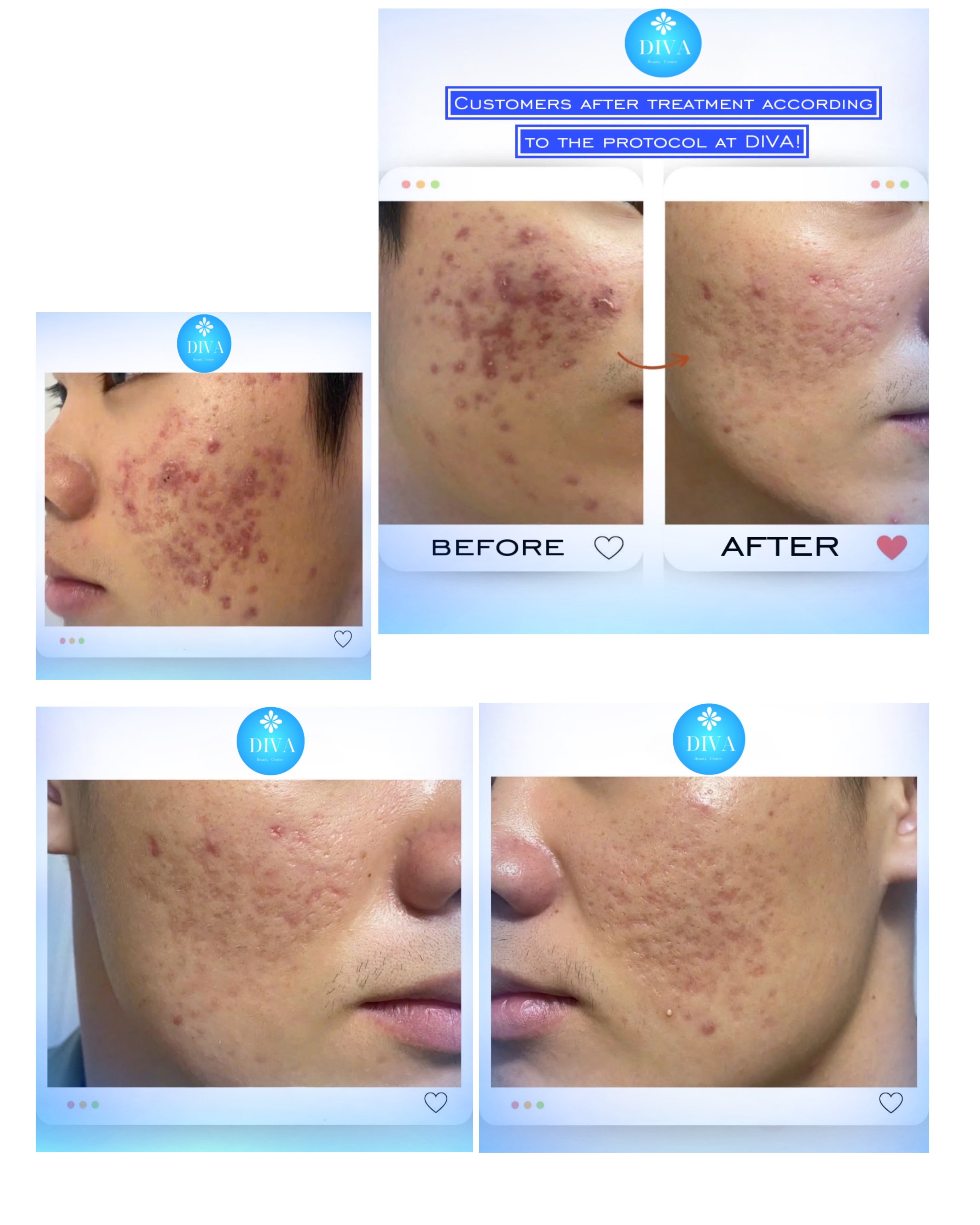
After treatment, clients often worry when their skin looks different from usual. The important point is to distinguish an expected reaction from a sign that is worsening or lasting beyond the normal timeframe.
- What Happens
The appearance may differ in severity, time of onset, and duration. Record clear photos and when the change began.
- Causes
Contact DIVA when a reaction lasts longer than expected, spreads, has increasing pain, includes pus or blistering, causes severe pigmentation, or when the client is unsure.
- Is It Normal?
It can be considered a common reaction only when it is mild, does not worsen, and remains within the expected timeframe explained for the specific method.
- At-Home Care
Send clear photos, the time symptoms began, and the products used.
- When to Contact DIVA
Do not wait on your own when there are acute signs.
- What Not to Do
Do not self-peel, rub, extract, increase active ingredients, or use medication that has not been advised.
- FAQ
If you are unsure whether a reaction is normal, send photos and a description rather than self-testing additional products.
DIVA’s Perspective
DIVA prioritises monitoring and adjustment based on the skin’s actual reaction, rather than trying to continue a protocol when skin is signalling that it is not suitable.
Conclusion
Post-treatment reactions need to be assessed by their progression, not only from a single photo. When signs worsen or persist, make contact early.
When Should You Contact DIVA Immediately After Treatment?
Introduction
After treatment, clients often do not know which symptoms can be observed and which need immediate reporting. If every reaction is considered normal, complications may be missed. Conversely, if every small sensation causes panic, clients will feel significant pressure. DIVA builds its contact principles around severity, speed of change, and the risk associated with symptoms. Clients do not need to self-diagnose; their responsibility is to describe concerns early and completely.
Increasing or Unusual Pain
Mild pain in the treatment area can occur, but rapidly increasing pain, sharp pain, burning pain, or pain out of proportion to the procedure needs to be reported immediately. After filler, unusual pain with a skin colour change is a warning sign of vascular occlusion. After laser or a peel, increasing pain with blistering, erosion, or discharge may suggest excessive injury. Do not try to tolerate it until the next day if the sensation is worsening hour by hour.
Changes in Skin Colour and Circulation
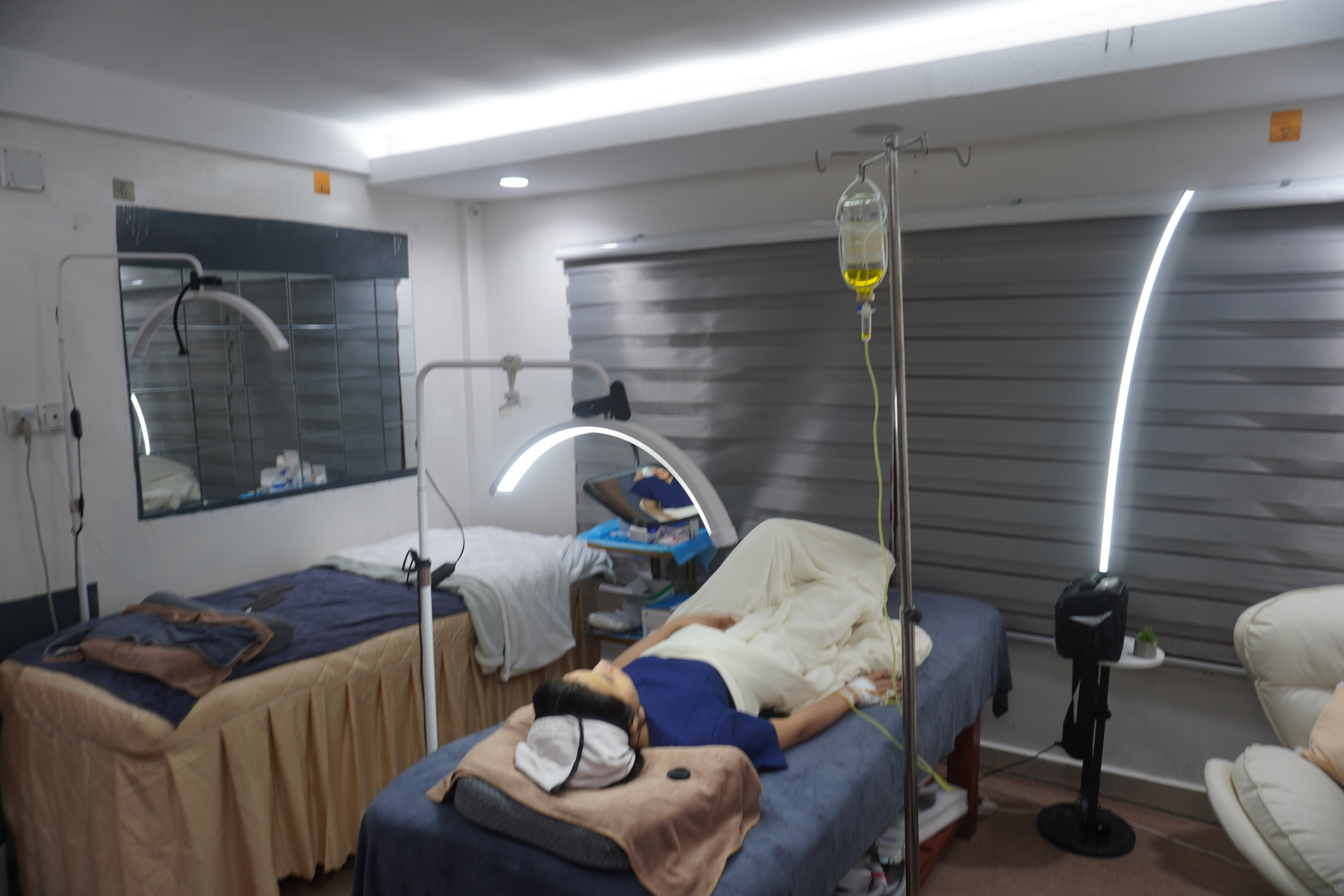
Pale, grey, blue-purple, cool skin, or a mottled net-like colour pattern after filler injection requires urgent action. After laser, darkening at the treatment point may be an expected reaction, but colour change with pain, blistering, or spreading needs to be reported. Clients should send photos in natural light, but when symptoms suggest vascular occlusion or there is a visual problem, do not wait for photo assessment before seeking emergency care.
Swelling, Difficulty Breathing, and Systemic Reactions
Mild swelling at an injection area can usually be monitored. Swelling across the whole face, hives, swelling of the lips or tongue, hoarseness, difficulty breathing, dizziness, or fainting are emergency situations. Fever, chills, marked fatigue, or a treatment area that is hot and has spreading redness may suggest infection. DIVA needs to be informed, but clients must prioritise a medical facility when systemic symptoms are clear.
Eye or Neurological Symptoms
Blurred vision, vision loss, double vision, pain around the eye, sudden eyelid drooping after filler, limb weakness, facial drooping, difficulty speaking, severe headache, or loss of balance require emergency care. After Botox, isolated eyelid ptosis may be a temporary reaction but still needs reporting; if it comes with difficulty swallowing, difficulty breathing, or widespread muscle weakness, urgency is higher. Do not only send a message and wait.
How to Send Information So DIVA Can Help Quickly
Send the service name, date and time performed, when symptoms began, whether they are increasing or reducing, a full-area photo, and a close-up without filters. Clearly state whether there is pain, itching, fever, difficulty breathing, visual changes, or products used after treatment. When DIVA calls, answer the phone or provide the current location. In an emergency, this information helps coordination but does not replace going for emergency care.
DIVA Needs a Message-Triage System
Post-treatment messages should be tagged by level: routine monitoring, same-day review needed, or emergency care needed. This system helps prevent clients with dangerous signs from being missed among many conversations. The more clearly clients describe symptoms, the faster triage can occur. For emergency signs, DIVA must shift from lengthy consultation to immediate action guidance.
Contact According to Severity, Not Business Hours
Some signs can wait for a response during the day, but difficulty breathing, vision loss, chest pain, or stroke signs do not depend on clinic opening hours. Clients need to understand that a messaging channel is not an emergency system. DIVA should clearly list an emergency contact number and guidance for the nearest hospital, while training whoever receives messages to know when to tell a client to call emergency services immediately.
Do Not Delete or Block Communication While a Reaction Is Occurring
During a concerning reaction, both the client and the facility need to keep communication open. Clients should not hide the use of additional products; the facility should not avoid communication out of fear of responsibility. Honest information helps protect safety and creates a clear record for medical assessment if needed.
Limits of Online Guidance
This content is intended to help clients recognise and communicate more effectively after treatment; it does not replace direct medical diagnosis or management. DIVA does not encourage clients to self-medicate, self-puncture or extract, self-neutralise, or undergo further procedures before the cause is identified. Final guidance must be based on the service performed, products used, location, timing, and each person’s health condition.
Conclusion
Contact DIVA immediately when pain increases, swelling progresses, there is blistering, discharge, fever, unusual colour change, hives, or a reaction different from the guidance received. Difficulty breathing, fainting, visual disturbance, stroke signs, or suspected vascular occlusion require emergency care immediately. Reporting early is not an inconvenience; it is part of safe follow-up.
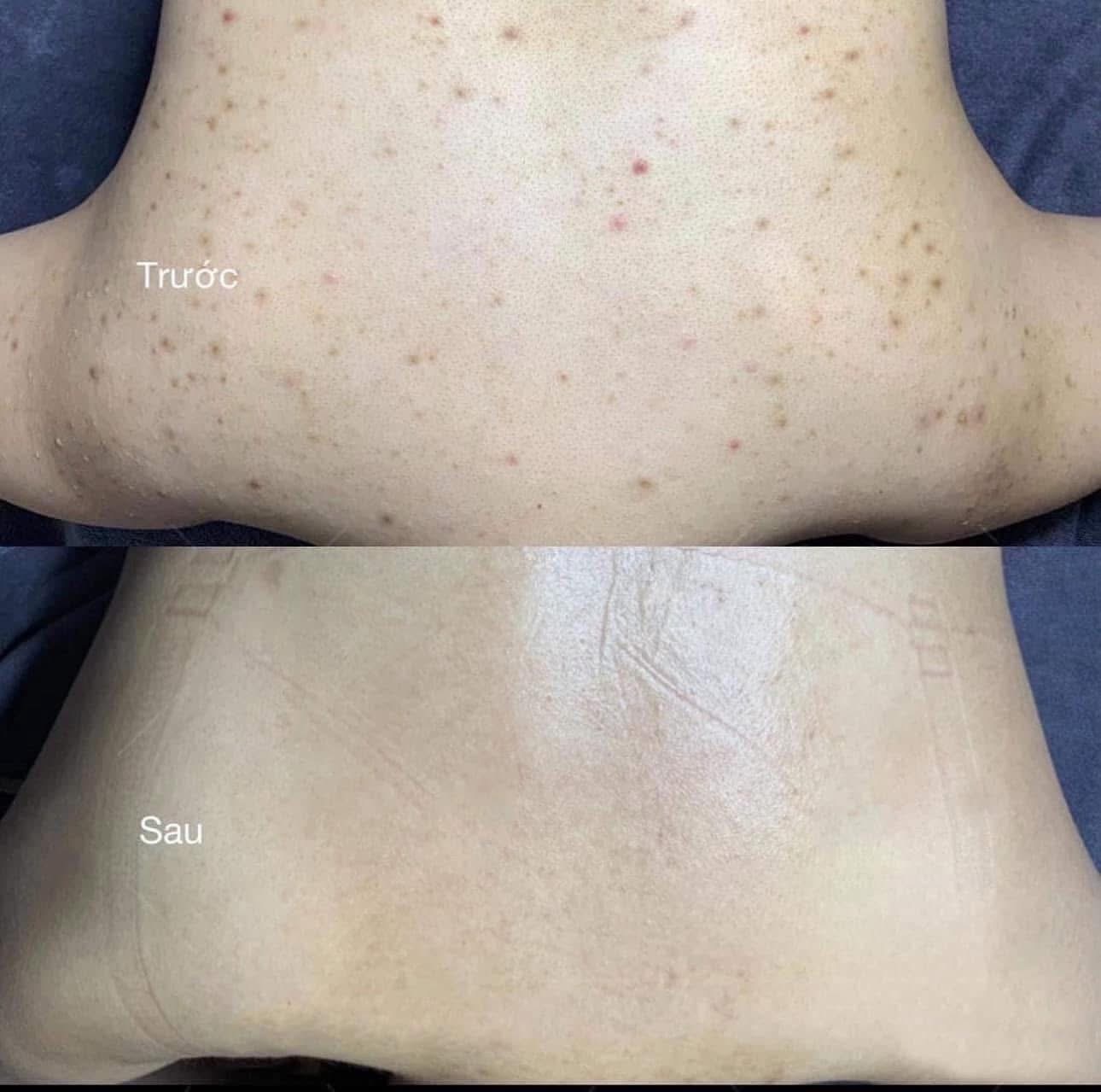
Treatment Guides & Aftercare
A full DIVA library: how to prepare before Pico, CO2, peel, RF, Botox and filler; how to care for skin afterwards; and h
Open→
Before Pico Laser
Before Pico Laser. DIVA Poipet explains Provide complete history and Do not self-increase active.
Open→
Before CO₂ Fractional
Before CO₂ Fractional. DIVA Poipet explains Provide complete history and Do not self-increase active.
Open→
Before a Peel
Before a Peel. DIVA Poipet explains Provide complete history and Do not self-increase active.
Open→