When Should All Skin Treatment Be Paused?
When Should All Skin Treatment Be Paused? DIVA Poipet explains Suggested URL and Skin Is Severely Inflamed or Has.

Introduction
There are times when the right decision is not to add a new technology or active ingredient, but to pause. Many clients fear that taking a break from treatment will lose their results, while skin that is inflamed, irritated, or recovering poorly can worsen if intervention continues. Pausing does not mean giving up. It is a step to control risk, identify the cause, and return skin to a state where the plan can continue more safely.
Skin Is Severely Inflamed or Has an Unexplained Reaction
When skin has spreading burning redness, swelling, severe itching, unusual pustules, erosion, or increasing pain, all strong treatments should be stopped until there is a clear assessment. If peels, laser, retinoids, or multiple serums continue while the trigger is unknown, reactions may overlap and make the cause very difficult to identify. DIVA prioritises simplifying the routine, monitoring progression, and referring for assessment when allergy, infection, or a skin condition needing medical diagnosis is suspected.
There Are Signs of Infection or Unstable Health
Fever, marked fatigue, hot and red skin, increasing pain, discharge, unusual odour, or spreading lesions need assessment before any additional procedure. Treatment should also be postponed when a client has a systemic infection, acute illness, unstable blood pressure or blood glucose, or has recently started medication that affects immunity or blood clotting without consultation. A service appointment is not more important than overall health.
Skin Has Been Over-Treated
Signs of overload can include prolonged dry tightness, burning with basic products, easily triggered redness, repeated peeling, small breakouts, and inability to tolerate the previous routine. In this situation, continuing to switch serums or raise treatment intensity often makes the issue more complex. DIVA may ask clients to stop all treatment products, retain only essential base steps, and reassess when the skin barrier is stable. Recovery time should not be forced to fit a pre-booked appointment.
When Information Is Incomplete
Treatment should be paused if a client cannot remember which medications are being used, has recently had injections or procedures elsewhere, or has a reaction but cannot provide its progression. DIVA needs sufficient data to make a safe selection. Postponing a session is more appropriate than proceeding at random. For pregnant or breastfeeding women or people with underlying conditions, each method and product needs individual review; one general rule should not be applied to every case.
A Pause Needs a Plan
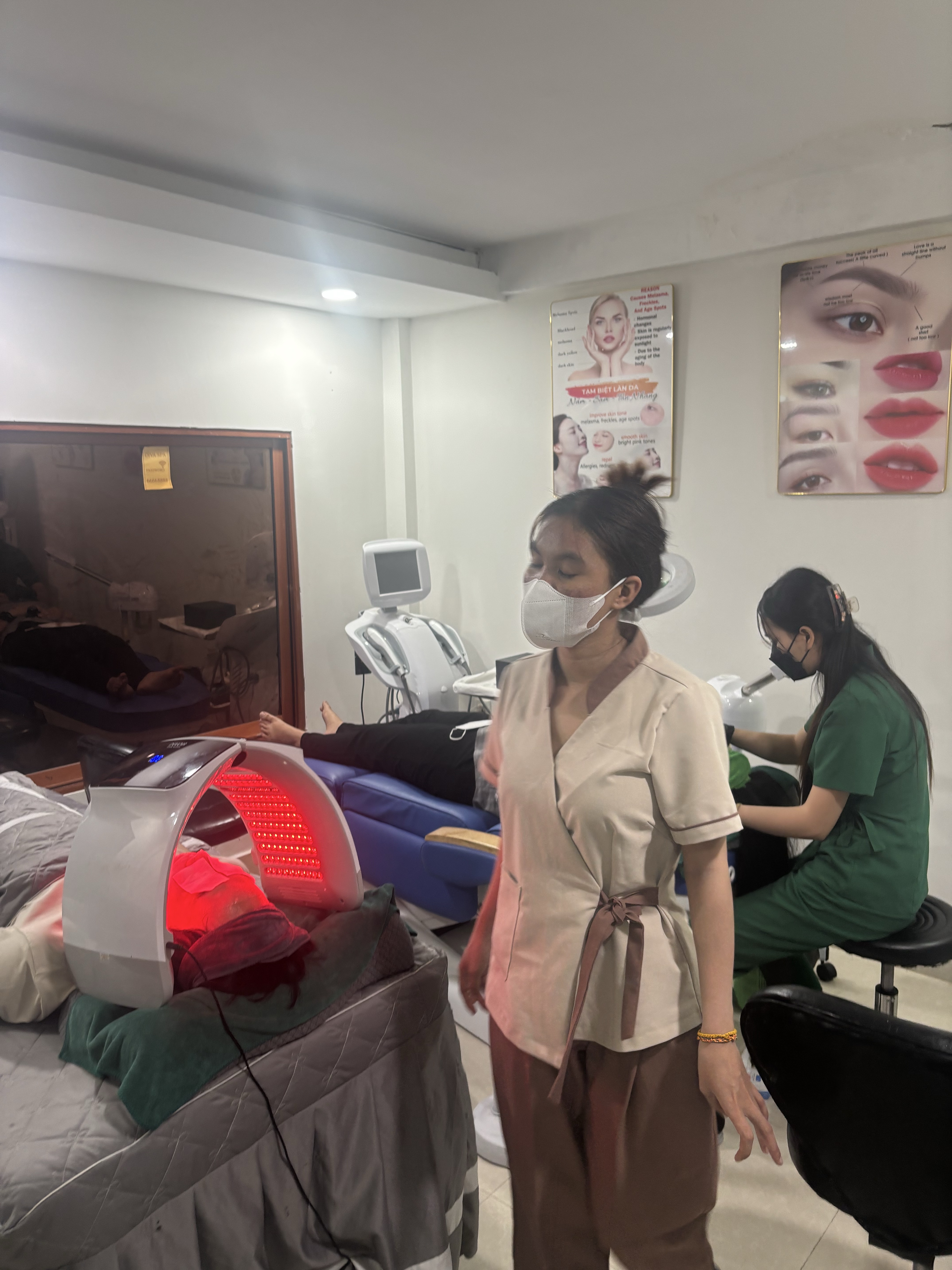
Pausing does not mean telling a client to go home and manage alone. DIVA needs to explain which products should be stopped, which base steps can remain, which signs need reporting, and when reassessment will occur. Clients also need to avoid trying other treatments during this period. If the reaction is severe or does not improve, referral to an appropriate medical facility is needed. When skin becomes stable, the previous plan does not necessarily resume unchanged; it must be redesigned based on the new information.
Pause Treatment but Continue Monitoring
Pausing does not mean cutting off communication. Clients need to send photos at set milestones, report new symptoms, and participate in reassessment. DIVA needs to record the products stopped, reactions after stopping them, and environmental factors. This information helps identify triggers and redesign a simpler routine.
When Can Treatment Resume?
Treatment can resume when skin no longer has unusual burning redness, there are no active lesions, the skin barrier tolerates base-care steps, and the main cause has been controlled. Resumption usually begins gradually, not by adding back all previous products or technologies at once. If the reaction recurs, the plan must be reassessed rather than forced into adaptation.
Limits of Online Guidance
This content is intended to help clients recognise and communicate more effectively after treatment; it does not replace direct medical diagnosis or management. DIVA does not encourage clients to self-medicate, self-puncture or extract, self-neutralise, or undergo further procedures before the cause is identified. Final guidance must be based on the service performed, products used, location, timing, and each person’s health condition.
Conclusion
Treatment should be paused when skin is severely inflamed, infection is suspected, skin is overloaded, there is an unexplained reaction, or overall health is unstable. Pausing is a professional decision to protect skin and reduce risk, not a failure. Difficulty breathing, swelling across the whole face, high fever, severe pain, visual disturbance, or neurological signs need immediate medical management, not a wait for a skin-care plan.
Treatment Guides & Aftercare
A full DIVA library: how to prepare before Pico, CO2, peel, RF, Botox and filler; how to care for skin afterwards; and h
Open→
Before Pico Laser
Before Pico Laser. DIVA Poipet explains Provide complete history and Do not self-increase active.
Open→
Before CO₂ Fractional
Before CO₂ Fractional. DIVA Poipet explains Provide complete history and Do not self-increase active.
Open→
Before a Peel
Before a Peel. DIVA Poipet explains Provide complete history and Do not self-increase active.
Open→