Redness After Pico: What Is Within the Normal Range?
Redness After Pico: What Is Within the Normal Range? DIVA Poipet explains What Does Expected Redness Usually and Signs Beyond the Usual Monitoring.
Introduction
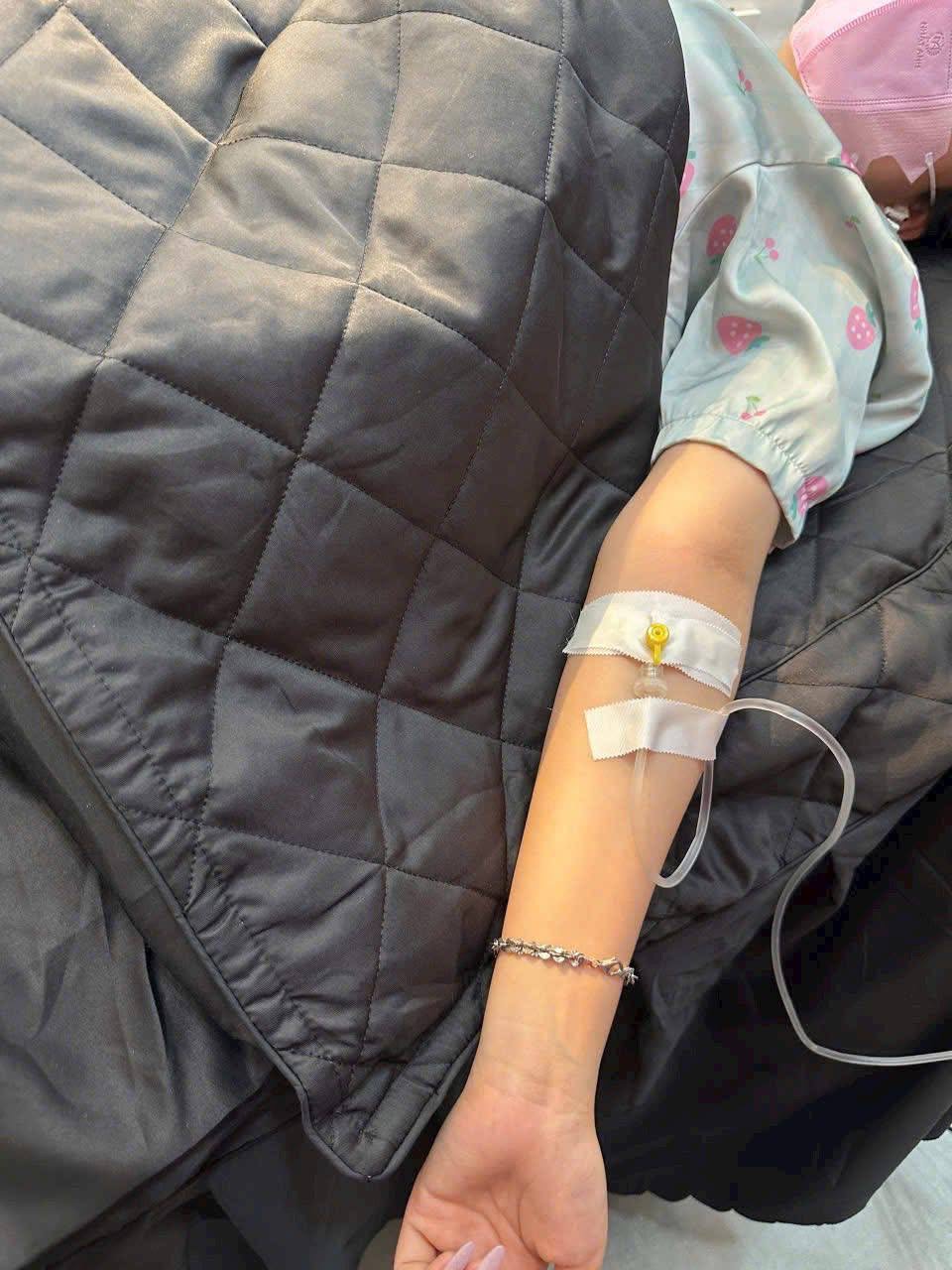
Redness after Pico is a common reaction when laser energy acts on pigment or the skin surface. The redness may be very mild and limited to treatment points, or more noticeable when the session addresses several goals. However, the word “normal” does not mean that every level of redness can be ignored. It is necessary to consider where redness appears, whether there is burning, heat, or swelling, whether it is reducing, and whether there are blisters, discharge, or unusual colour changes.
What Does Expected Redness Usually Look Like?
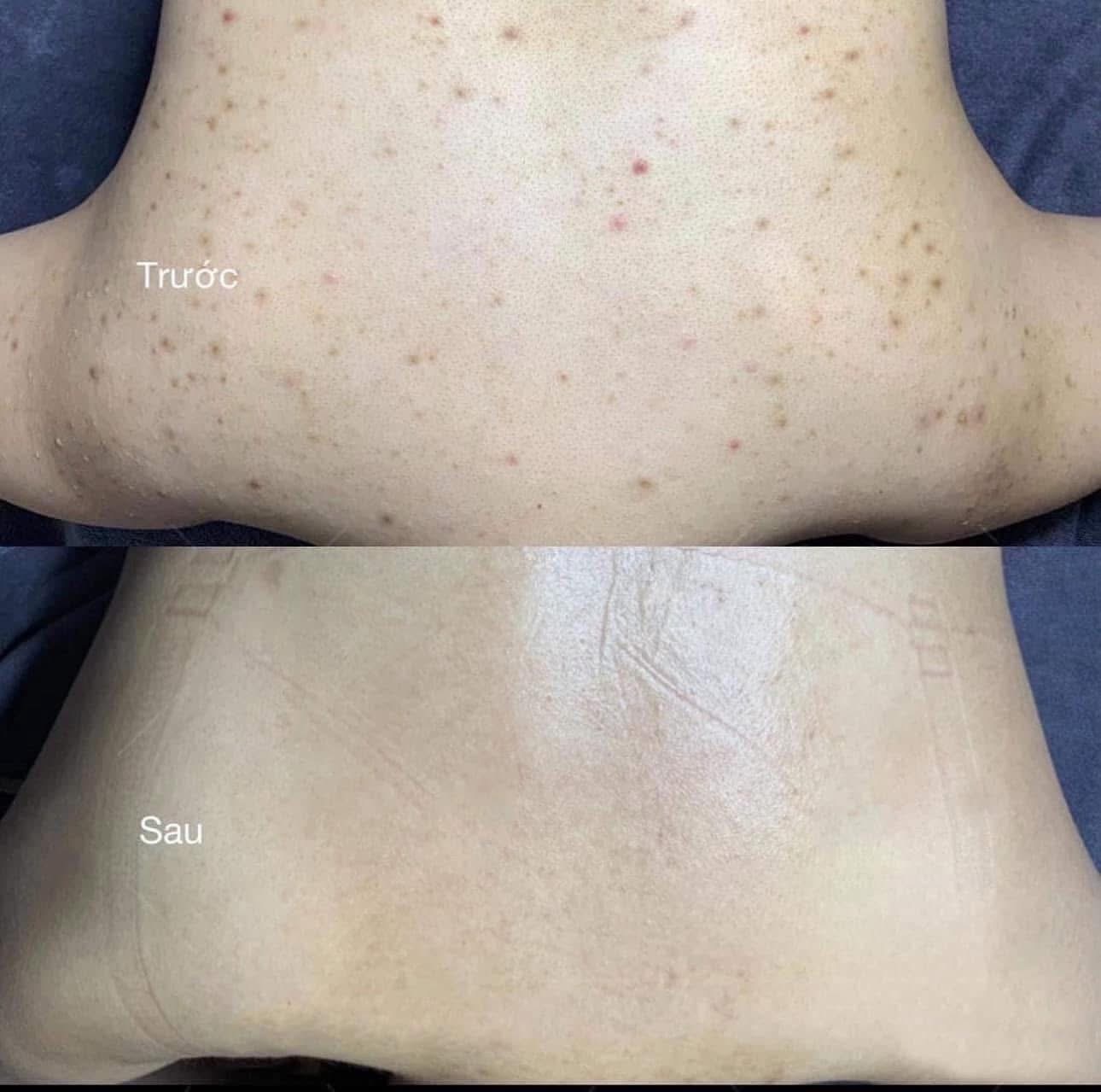
Mild redness often appears immediately after the session, is localised exactly to the treated area, and comes with a warm feeling or mild stinging. Individual pigmented spots may become darker or form a thin crust. When the reaction is stable, discomfort does not increase, and redness gradually reduces, clients can continue care as instructed. Individual factors, skin tone, treatment area, and the goals of the Pico session strongly affect the level of reaction, so there is no rigid timeframe that applies to everyone.
Signs Beyond the Usual Monitoring Range
Increasing burning, sharp pain, spreading redness, progressive swelling, blistering, skin erosion, or discharge should not be considered normal redness. Skin turning unusually pale, grey, or purple also needs review. If redness reduces and then increases again with itching, rash, or swelling, a reaction to aftercare products should be considered. Fever, increasing pain, or an area that feels distinctly hot may suggest infection and need medical assessment.
Minimal Care After Pico
After Pico, skin needs to be kept clean with minimal friction. Clients should not pick crusts, use scrubs, acids, retinoids, or new serums while skin is still burning. Use of moisturisers, protective products, or sun protection needs to follow guidance appropriate to the treatment area and the client’s actual environment, rather than a mandatory identical formula. Applying makeup too early or covering an eroded area can increase the risk of irritation.
Why Do Photos Need to Be Taken Correctly?
Yellow light, filters, and cameras that automatically boost colour can make redness look more severe or milder than it really is. When sending photos to DIVA, take one full-face photo and one close-up in natural light, without colour adjustment. State the time since the session and the current sensation. A single photo is not enough to determine whether the reaction is improving or worsening; a series of photos under the same conditions is more useful.
When Does the Next Plan Need to Change?
If redness persists, skin recovery is slow, or post-inflammatory hyperpigmentation develops, the next session should not mechanically continue on the old schedule. DIVA needs to assess the skin barrier, degree of inflammation, and aftercare factors before deciding whether to repeat Pico or change methods. The goal is not to complete a fixed number of sessions, but to achieve change within the limits the skin can recover from.
Pico Goals Affect the Level of Reaction
Pico can be used for localised pigment spots, diffuse pigmentation, tattoos, or surface support. Each goal has different treatment areas and reactions. Therefore, a general guide can only state principles; specific care must be based on the session that was performed. Clients need to remember or save the service name so that, when they contact DIVA, it is clear which reaction is being assessed.
Do Not Use Cooling Sensation to Mask a Burn
Cold compresses or cooling devices can reduce discomfort, but they do not turn excessive injury into something normal. If pain and burning increase again after cooling ends, or skin blisters, clients must report it. The purpose of cooling is to support comfort, not to delay assessment of unusual signs.
Limits of Online Guidance
This content is intended to help clients recognise and communicate more effectively after treatment; it does not replace direct medical diagnosis or management. DIVA does not encourage clients to self-medicate, self-puncture or extract, self-neutralise, or undergo further procedures before the cause is identified. Final guidance must be based on the service performed, products used, location, timing, and each person’s health condition.
Conclusion
Mild, localised redness that gradually reduces may be within the expected reaction after Pico. Increasing pain, blistering, discharge, spreading redness, or unusual colour changes need early contact. Clients should not pick crusts or self-use strong treatments. DIVA uses the progression and actual skin condition to decide whether to continue monitoring, adjust care, or conduct an in-person review.
Treatment Guides & Aftercare
A full DIVA library: how to prepare before Pico, CO2, peel, RF, Botox and filler; how to care for skin afterwards; and h
Open→
Before Pico Laser
Before Pico Laser. DIVA Poipet explains Provide complete history and Do not self-increase active.
Open→
Before CO₂ Fractional
Before CO₂ Fractional. DIVA Poipet explains Provide complete history and Do not self-increase active.
Open→
Before a Peel
Before a Peel. DIVA Poipet explains Provide complete history and Do not self-increase active.
Open→