Darker Skin After Laser: Normal or Post-Inflammatory Hyperpigmentation?
Darker Skin After Laser: Normal or Post-Inflammatory Hyperpigmentation? DIVA Poipet explains How Can Temporary Darkening and What Is Post-Inflammatory.
Introduction
After pigment laser treatment or some technologies that create micro-injuries, the treatment area may look darker than before at first. This can make clients think that the laser has worsened their pigmentation. In some cases, the darker colour is an expected reaction caused by treated pigment, the formation of a thin crust, or mild inflammation in the skin. In other cases, it is post-inflammatory hyperpigmentation, especially in skin that is prone to dark marks. Distinguishing the two requires assessment of timing, colour, sensation, and progression; it cannot be done by looking at one photo immediately after treatment.
How Can Temporary Darkening Appear?
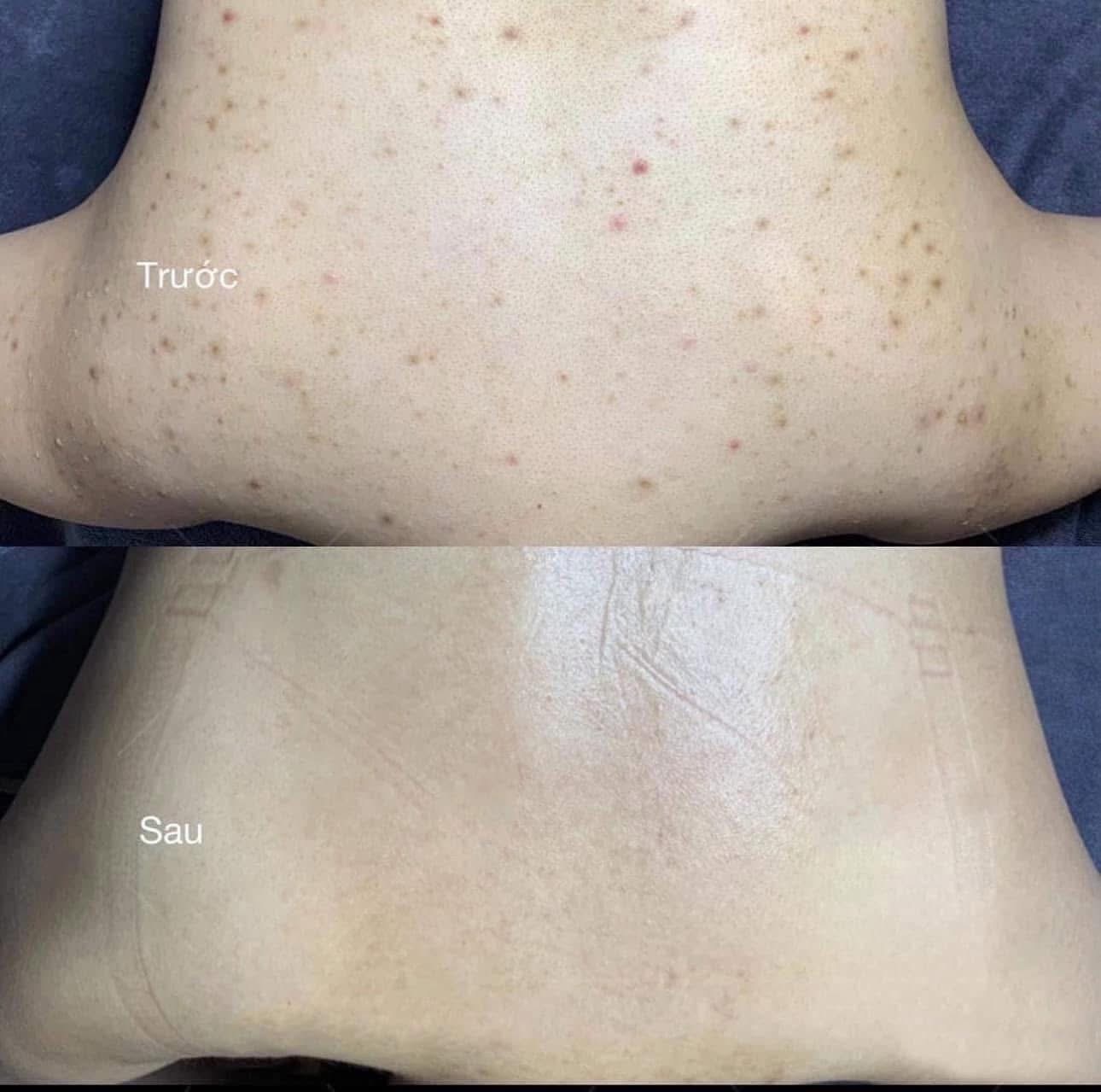
The treated pigmented spots may become darker, slightly dry, or form a thin crust before naturally shedding. If the area does not have increasing pain, spreading heat or redness, blistering, and the colour change is exactly where treatment was performed, DIVA may continue to monitor. After some methods, initial mild redness can also turn temporarily brown as skin recovers. This does not mean that the final result has worsened, but clients still need to follow the guidance correctly to reduce the risk of prolonged inflammation.
What Is Post-Inflammatory Hyperpigmentation?
Post-inflammatory hyperpigmentation occurs when inflammation stimulates pigment cells to produce more melanin. The risk is higher in Asian and skin-of-colour populations, when the level of intervention exceeds skin tolerance, when skin is further irritated, or when light exposure is not controlled. PIH is often not limited to a small crust; it may form a spreading brown area, become clearer after the redness stage, or persist instead of improving. However, diagnosis needs to be assessed in the context of the client’s baseline skin and the type of laser used.
Abnormal Signs That Should Not Be Left to Wait
Increasing burning, pain, blistering, discharge, spreading redness, hot swelling, or unusually thick crusting may suggest excessive injury or infection. These signs need early contact because the later inflammation is managed, the greater the risk of residual pigmentation. If there is significant swelling around the eyes, visual effects, or systemic symptoms, medical assessment is needed. Not every darkening after laser should be called PIH, but neither should every case be reassured as skin simply clearing pigment.
Do Not Self-Exfoliate or Speed Up Peeling
When they see darker skin, clients often use acids, retinoids, exfoliants, scrubs, or try to pick off crusts. These actions can easily worsen inflammation and prolong pigmentation. Do not add a new brightening serum while the skin barrier is not yet stable. The routine needs to prioritise protection and recovery according to individual guidance. Returning to treatment active ingredients must be based on actual skin condition, not on a fixed online schedule.
How Does DIVA Assess and Adjust?

DIVA needs to compare before-and-after photos in the same lighting, know the treatment date, when darkening appeared, the level of redness or burning, and the products the client has used. If this is a temporary reaction, the goal is to protect skin and monitor it. If PIH is suspected, the plan may need to pause strong intervention, control inflammation, and select a pigment-focused approach after the skin base is stable. Pigment treatment should not react by making laser stronger immediately after skin has darkened.
Asian Skin Tones Need Careful Monitoring
Asian skin tones tend to be more prone to PIH after inflammation. This does not mean laser cannot be performed; it means that choosing the level of impact, controlling inflammation, and aftercare matter more. DIVA does not use identical settings for every client and does not judge effectiveness solely by a strong skin reaction.
Before-and-After Photos Need the Same Conditions
Pigmentation is strongly affected by lighting, cameras, and surface moisture. A photo taken under yellow light can make skin look browner, while a photo using beauty mode can conceal redness. To determine whether this is temporary darkening or PIH, DIVA needs a series of photos in the same lighting and, ideally, an in-person assessment when progression is unclear.
Limits of Online Guidance
This content is intended to help clients recognise and communicate more effectively after treatment; it does not replace direct medical diagnosis or management. DIVA does not encourage clients to self-medicate, self-puncture or extract, self-neutralise, or undergo further procedures before the cause is identified. Final guidance must be based on the service performed, products used, location, timing, and each person’s health condition.
Conclusion
Darker skin after laser can be a temporary stage or post-inflammatory hyperpigmentation. The important point is progression: an expected reaction should remain stable and gradually reduce, whereas increasing pain, spreading redness, blistering, or an expanding brown area needs assessment. Do not pick crusts, self-exfoliate aggressively, or self-add multiple serums. DIVA prioritises controlling inflammation and protecting the skin base before deciding the next pigmentation-management step.
Treatment Guides & Aftercare
A full DIVA library: how to prepare before Pico, CO2, peel, RF, Botox and filler; how to care for skin afterwards; and h
Open→
Before Pico Laser
Before Pico Laser. DIVA Poipet explains Provide complete history and Do not self-increase active.
Open→
Before CO₂ Fractional
Before CO₂ Fractional. DIVA Poipet explains Provide complete history and Do not self-increase active.
Open→
Before a Peel
Before a Peel. DIVA Poipet explains Provide complete history and Do not self-increase active.
Open→