Crusting After Pigment Laser: How Should You Let It Shed Naturally?
Crusting After Pigment Laser: How Should You Let It Shed Naturally? DIVA Poipet explains Suggested URL and What Does an Expected Crust.
Introduction
After spot pigment laser treatment, the treated area may darken, become dry, and form a thin crust. This is usually surface tissue and treated pigment that the body is removing. Clients can become impatient because the crust makes the spot look darker than before, leading them to pick or exfoliate it to clear it faster. This can cause bleeding, prolong inflammation, increase post-inflammatory hyperpigmentation, and leave scars. The most important principle is to allow the crust to shed naturally.
What Does an Expected Crust Usually Look Like?
A crust is usually located exactly where the laser was applied, dry, thin, and without discharge. The surrounding area may be mildly red or sensitive. Over time, the edges dry and separate naturally as the skin beneath recovers. Not every spot forms an obvious crust, and shedding time differs according to pigment depth, body area, and the level of impact. Therefore, do not compare with another client or try to force a crust to shed on a specific day.
How to Protect the Crust
Limit touching, towel rubbing, scrubs, and friction from masks or clothing. When cleansing, handle the area gently and pat dry rather than rub. Applied products should follow individual guidance; do not use acids, retinoids, exfoliants, or strong brightening serums directly on the crusted area. If the crust is on the body, pay attention to friction from bathing, exercise, and clothing. Light protection may include physical protection and suitable products according to location, environment, and skin condition.
Signs That a Crust Is No Longer Normal
A crust that becomes soft and wet, has yellow discharge, odour, increasing pain, spreading hot redness, or swelling is a sign to make contact. Blistering, pale or grey skin, spontaneous bleeding, or an unusually thick crust also need review. If a client has picked the crust and skin is eroded, DIVA should be informed rather than the area being covered with many layers of cosmetics. Fever or clearly increasing pain needs medical assessment to rule out infection.
After the Crust Sheds
New skin may be pink, sensitive, and not yet an even colour. This is not the time to return to every treatment. Clients should continue protection as instructed and avoid rubbing. Final colour needs assessment after inflammation has reduced, not on the day the crust falls away. If a spreading brown area or persistent redness appears, DIVA will consider PIH risk and adjust the plan instead of immediately repeating a stronger laser treatment.
Why Should You Not Pick the Crust to Check the Result?
A crust is a temporary protective layer over an area that is recovering. Picking it is like reopening a wound that has not completed healing. The result can be bleeding, increased inflammation, and uneven pigment loss. Seeing lighter skin underneath immediately after picking is not a safe result. DIVA evaluates effectiveness based on skin after recovery, not on how quickly the crust clears.
Body Areas Often Shed More Slowly
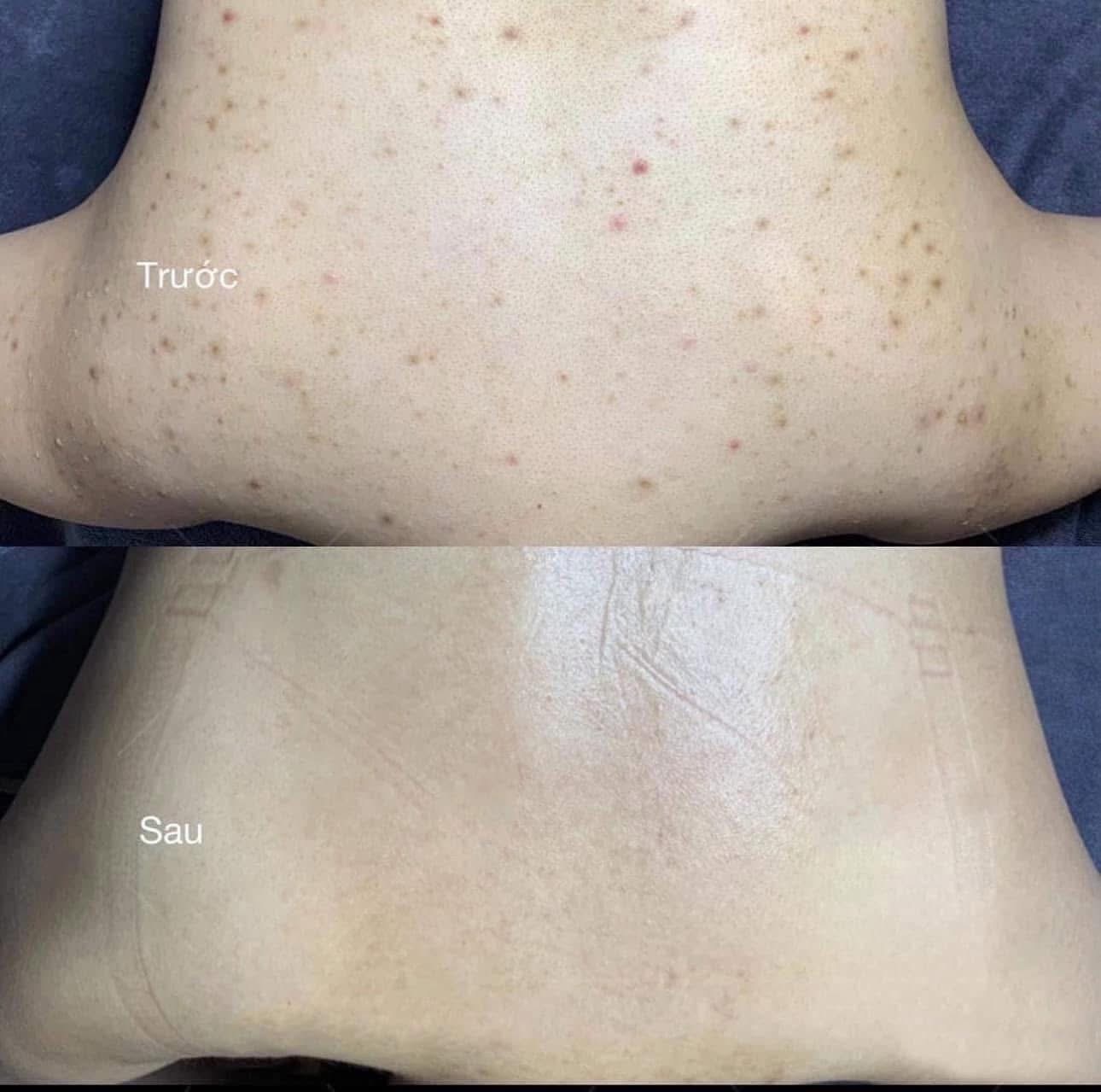
Crusts on the legs, arms, or back may remain longer than on the face because circulation, skin thickness, and friction differ. Clients should not take hotter showers or use scrubs to speed this up. A slightly longer duration while the crust remains dry, painless, and without spreading redness may only require monitoring; any worsening sign still needs reporting.
If a Crust Comes Off Early Due to Contact
When a crust accidentally rubs off and the skin beneath is pink or lightly bleeding, clients should keep the area clean, avoid touching it further, and inform DIVA. Do not try to remove the remaining crust to make it even. Clear photos will help determine whether skin only has a superficial abrasion or needs direct assessment. Covering the area with foundation or applying unsuitable dressings can trap too much moisture and increase irritation risk.
Protection From Light Is Not Only Sunscreen
Physical protection, avoiding periods of strong sunlight, and reducing heat also play a role. On a crusted area, applying an unsuitable product or rubbing firmly while applying it can cause irritation. DIVA selects protection according to each client’s location and daily activities, rather than applying one rigid formula.
Limits of Online Guidance
This content is intended to help clients recognise and communicate more effectively after treatment; it does not replace direct medical diagnosis or management. DIVA does not encourage clients to self-medicate, self-puncture or extract, self-neutralise, or undergo further procedures before the cause is identified. Final guidance must be based on the service performed, products used, location, timing, and each person’s health condition.
Conclusion
Crusting after pigment laser should be kept clean, protected from friction, and allowed to shed naturally. Do not pick, exfoliate, or self-add strong active ingredients. A dry, localised crust without increasing pain can usually be monitored; a wet crust, discharge, odour, spreading hot redness, or increasing pain needs review. Patience during this stage helps reduce the risk of scarring and post-inflammatory hyperpigmentation.
Treatment Guides & Aftercare
A full DIVA library: how to prepare before Pico, CO2, peel, RF, Botox and filler; how to care for skin afterwards; and h
Open→
Before Pico Laser
Before Pico Laser. DIVA Poipet explains Provide complete history and Do not self-increase active.
Open→
Before CO₂ Fractional
Before CO₂ Fractional. DIVA Poipet explains Provide complete history and Do not self-increase active.
Open→
Before a Peel
Before a Peel. DIVA Poipet explains Provide complete history and Do not self-increase active.
Open→