After Botox
After Botox. DIVA Poipet explains Care during the first hours and Recovery routine. Includes realistic expectations and practical next steps.
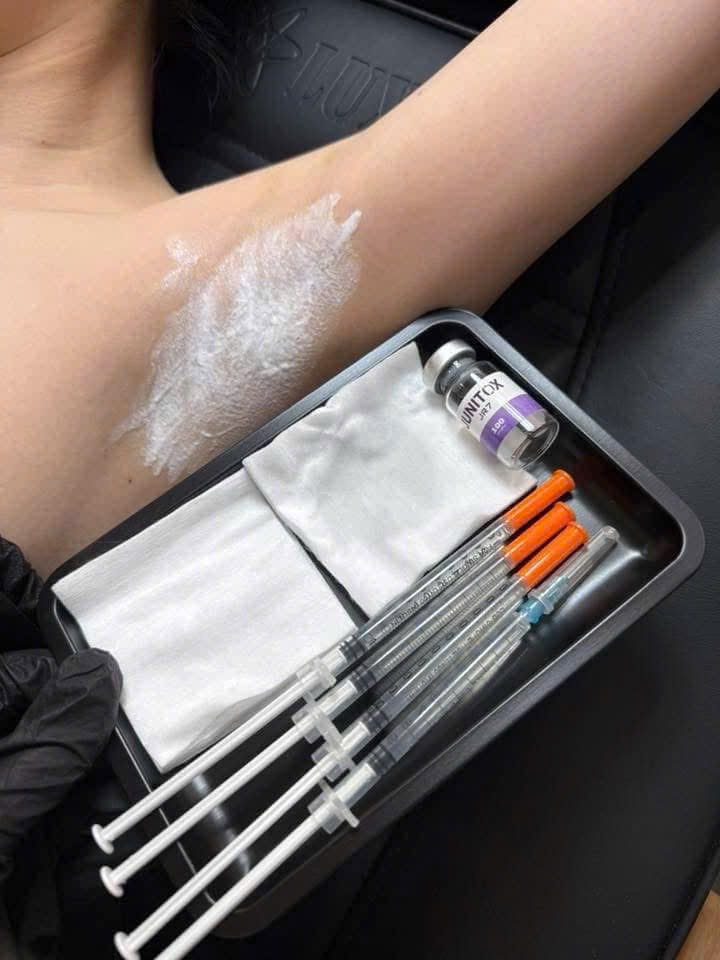
After Botox, skin may show some temporary reactions depending on the level of impact and individual factors. The objective of aftercare is to protect the treatment area, avoid interrupting recovery, and recognise signs needing early review.
- Care during the first hours
Keep the treatment area clean, do not rub it, do not self-apply active ingredients outside the guidance, and avoid high heat or activity that increases irritation if DIVA has advised this.
- Recovery routine
Prioritise gentle, recovery-supporting products such as B5, HA, or a suitable moisturiser. Do not use acids, retinoids, or strong exfoliating products until permitted.
- Sun protection
Use physical protection and rigorous sun protection, especially after laser, peel, and methods with a risk of post-inflammatory hyperpigmentation.
- Possible reactions
Redness, tightness, stinging, mild swelling, peeling, or temporary darkening may occur depending on the method. Duration and degree need to be compared with the individual guidance for the treatment session.
- When to make contact
Increasing pain, spreading redness, blistering, pus, pale or purple skin, unusual swelling, difficulty breathing, eyelid drooping, or any sign that worries the client needs to be reported immediately.
DIVA’s Perspective
Aftercare is part of treatment. DIVA needs to know the real reaction to adjust the next plan.
Conclusion
Do not self-manage aggressively after Botox. When a reaction differs from the guidance or lasts longer than expected, send clear photos and contact DIVA.
Eyelid Ptosis After Botox: Signs and Immediate Steps
Introduction
Eyelid ptosis after Botox is a condition in which the upper eyelid sits lower than normal, making one eye appear smaller, heavy, or difficult to open. This is an unwanted reaction that has been documented after botulinum toxin injections around the forehead and eye area. Most cases are related to a temporary effect of the product on an unintended muscle and may improve as the effect wears off. However, it should not be self-diagnosed from photos or left unreported for weeks, because true eyelid ptosis needs to be distinguished from brow ptosis, swelling, pre-existing asymmetry, or an unrelated neurological problem.
Signs Clients Commonly Notice
Clients may notice that more of the eyelid crease is covered, need to raise their forehead to open the eye, feel eyelid heaviness, or see a clear difference between the two sides. Brow ptosis can feel similar, but the change is located at the brow arch and forehead. Post-injection swelling can also temporarily make an eye appear smaller. Therefore, DIVA needs to review pre-injection photos, when symptoms began, the areas injected, and movement of the forehead, brows, and eyelids in order to assess correctly. A short video looking straight ahead, looking upward, closing, and opening the eyes may assist the initial assessment.
First Step: Contact the Provider Who Performed the Treatment
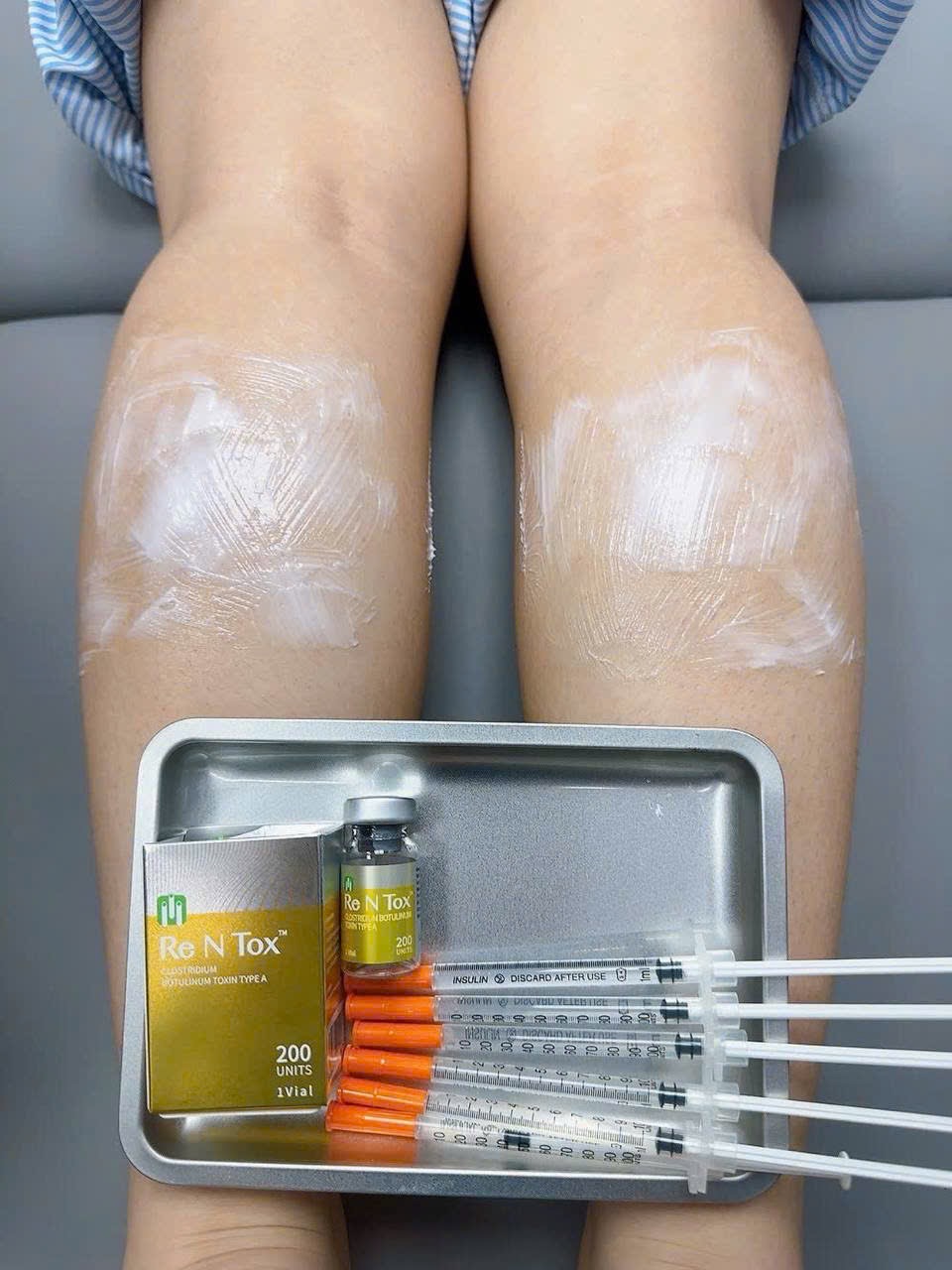
Clients should notify the provider who performed the injection early and provide the injection date, product if known, areas treated, and clear photos. They should not immediately receive additional injections elsewhere in an attempt to balance the appearance, as hurried intervention can make asymmetry more complex. The practitioner needs to check the degree of change, determine whether this is eyelid ptosis or brow ptosis, and assess dry eye, double vision, and other signs. Only then can an appropriate monitoring plan or referral be made.
What Not to Do Yourself
Do not massage the forehead and eye area firmly, self-use eye drops purchased online, or try to stimulate muscles with electrical devices or massage tools. Some eye drops are used in specific medical contexts but have contraindications and are not suitable for everyone. Self-use may mask symptoms or cause side effects. Clients should also not drive when they have double vision or affected vision.
When Is Early Medical Assessment Needed?
Isolated eyelid ptosis after injection usually does not cause limb weakness or systemic disturbance. If there is clear double vision, eye pain, reduced vision, difficulty speaking, difficulty swallowing, difficulty breathing, widespread muscle weakness, sudden facial drooping, or severe headache, seek urgent medical assistance. These signs should not be explained simply as Botox through messages. If the eyes cannot close fully, there is severe dry-eye discomfort, or corneal irritation, clients also need early eye assessment to protect the ocular surface.
Progression and Expectations
Botulinum toxin has a temporary effect, so many movement-related reactions also tend to improve over time. However, recovery time varies according to the degree of impact, location, and individual factors. DIVA should not promise one fixed timeline for every case. Monitoring should be based on photos and movement at each stage, while also recording the effect on daily life. As symptoms reduce, clients should not rush to reinject the related area before the plan is reassessed.
Eyelid Ptosis and Brow Ptosis Are Not the Same
Eyelid ptosis involves the upper eyelid margin sitting lower, while brow ptosis makes the entire brow area and upper eyelid skin feel heavier. The two conditions may occur together or be confused with one another. This matters because their monitoring approach and potential intervention are not the same. DIVA needs to assess frontalis movement, brow position at rest and when raised, and eyelid opening to avoid a premature conclusion.
The Psychological Effect Also Needs Recognition
Asymmetry around the eyes can easily make clients anxious and repeatedly check the mirror. DIVA should provide monitoring milestones and clearly explain what may change, rather than only saying to wait for it to resolve. A specific monitoring plan helps reduce pressure and avoids clients seeking corrective injections from multiple places at once, which can make the face harder to balance.
Limits of Online Guidance
This content is intended to help clients recognise and communicate more effectively after treatment; it does not replace direct medical diagnosis or management. DIVA does not encourage clients to self-medicate, self-puncture or extract, self-neutralise, or undergo further procedures before the cause is identified. Final guidance must be based on the service performed, products used, location, timing, and each person’s health condition.
Conclusion
Eyelid ptosis after Botox needs to be confirmed and monitored, not concealed or self-managed. Early contact helps correctly distinguish the condition and protect the eyes if other problems are present. DIVA prioritises honest assessment, clear explanation of limits, and referral when required. Difficulty breathing, difficulty swallowing, widespread muscle weakness, reduced vision, or sudden neurological signs are emergencies.
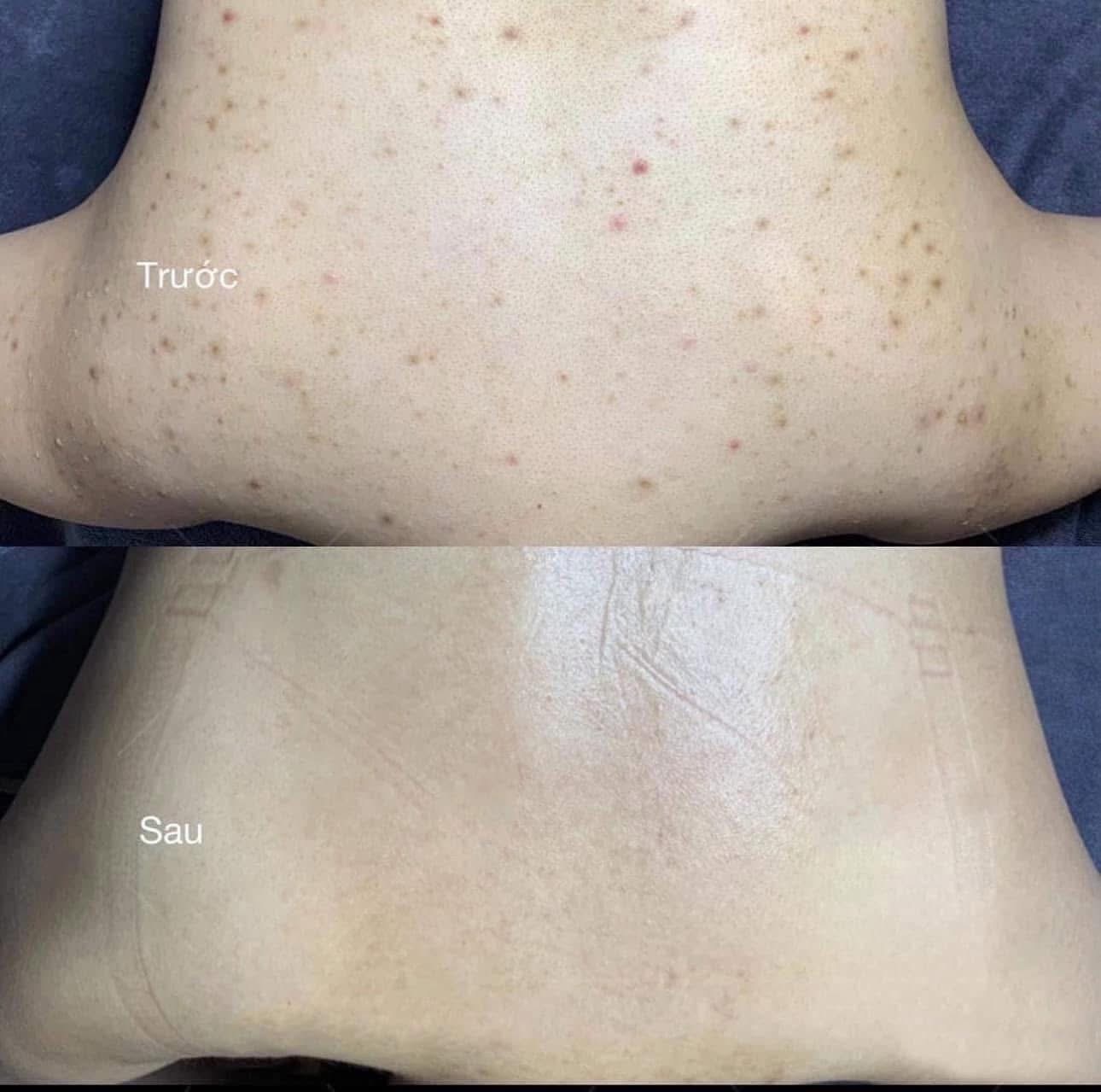
Treatment Guides & Aftercare
A full DIVA library: how to prepare before Pico, CO2, peel, RF, Botox and filler; how to care for skin afterwards; and h
Open→
Before Pico Laser
Before Pico Laser. DIVA Poipet explains Provide complete history and Do not self-increase active.
Open→
Before CO₂ Fractional
Before CO₂ Fractional. DIVA Poipet explains Provide complete history and Do not self-increase active.
Open→
Before a Peel
Before a Peel. DIVA Poipet explains Provide complete history and Do not self-increase active.
Open→