Why Does Each Treatment Method Have Different Aftercare Guidance?
Why Does Each Treatment Method Have Different Aftercare Guidance? DIVA Poipet explains Suggested URL and Understanding the concept.

Introduction
Laser, peel, microneedling, skin booster, and acne treatment are all called skin treatment, but they do not affect skin in the same way. Some methods create heat, some alter the keratin layer, some create micro-injury, and some deliver products into tissue. For this reason, using one general care guide for all of them can overlook important risks.
Understanding the concept correctly
Aftercare guidance is built according to the intervention objective, layer of impact, degree of controlled injury, inflammation risk, and time the skin barrier needs to recover. Home care does not only aim to soothe discomfort; it also helps avoid friction, additional irritation, contamination, and post-inflammatory hyperpigmentation.
Why is this important?
Two clients who have the same service name may still receive different guidance because treatment level, skin area, baseline condition, and in-session reaction differ. Someone with resilient skin may return to a normal routine earlier; someone who is sensitive or at risk of pigmentation needs a more cautious plan. The technology name is not enough to determine all aftercare.
Four principles DIVA uses
Laser and heat-generating devices: Attention is needed for warmth, redness, temporary darkening, possible water loss, and protection of skin from further irritation.
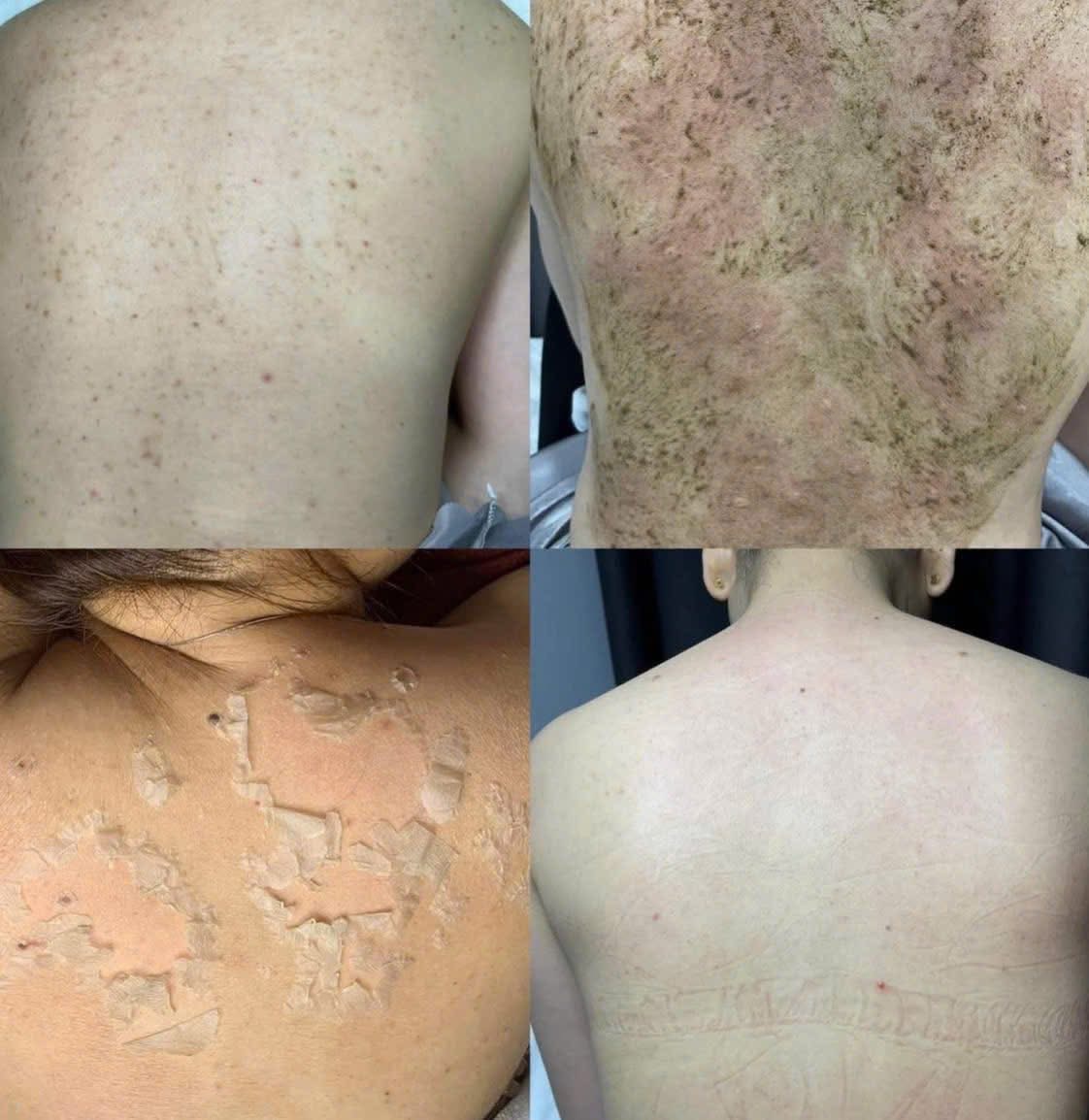
Chemical peel: The focus is on not picking peeling skin, not self-increasing treatment, monitoring increasing burning, blistering, or discharge, and keeping the routine appropriate for the impact depth.
Microneedling and methods that create micro-injury: The risk of contamination needs reduction, products of unclear origin should be avoided, and unusual inflammatory or pustular lesions need monitoring.
Skin booster, mesotherapy, and injections: Swelling, raised bumps, pain, colour change, asymmetry, and signs requiring early contact need monitoring rather than self-massage or self-medication.
How DIVA applies this in practice
DIVA provides guidance based on the actual session rather than only sending a standard template. Foundation principles may be similar, but the time to cleanse, products permitted to be restarted, degree of monitoring needed, and warning signs are adjusted according to the method and the client’s reaction.
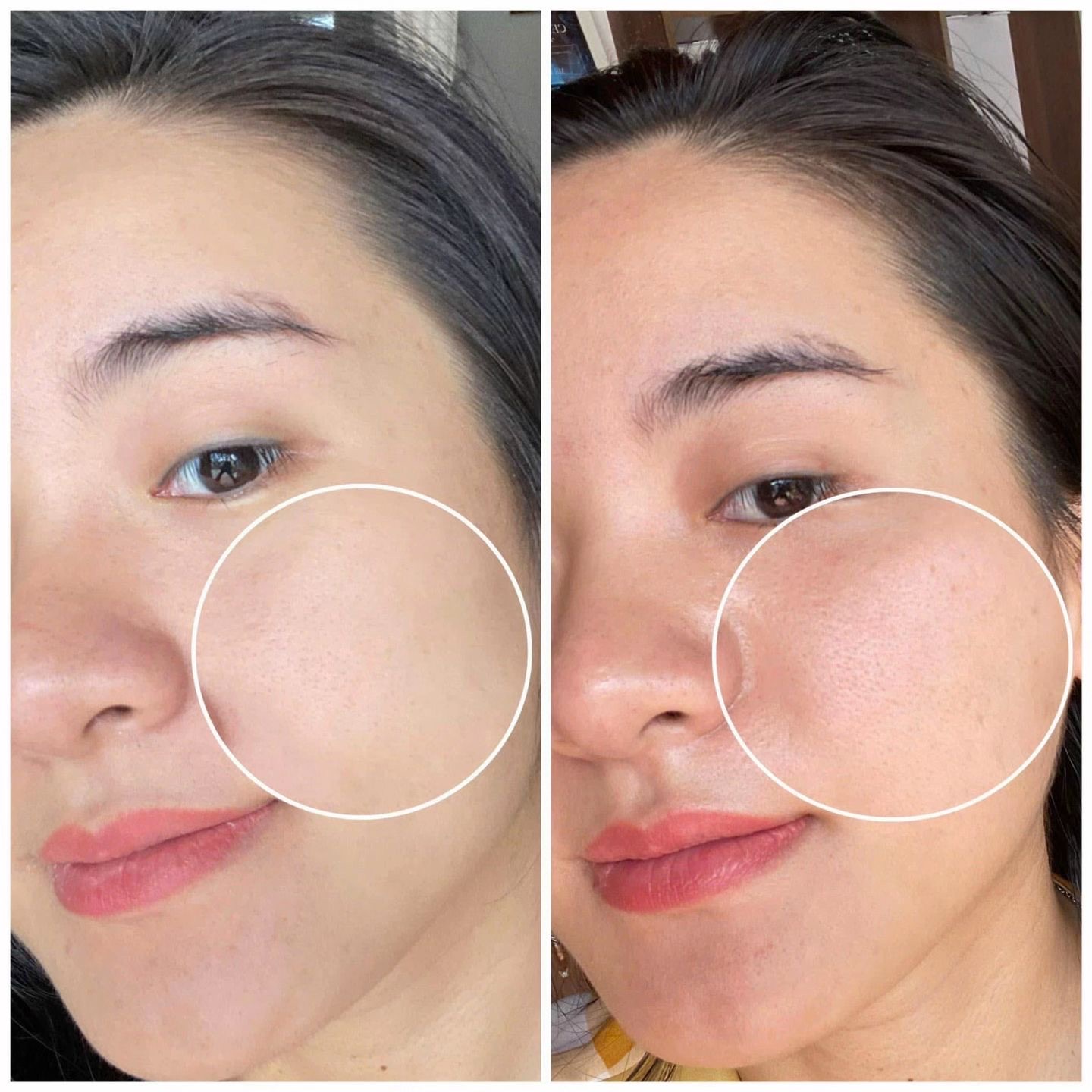
Common misunderstandings and mistakes
Common mistakes are returning to the entire routine on the evening of treatment, trying to scrub away peeling skin, using strong brightening products from fear of darkening, using compresses or massage against instructions, or applying experience from one previous service to another. This can turn a temporary reaction into a prolonged concern.
How clients need to cooperate
Clients should keep the correct instructions for the session just performed and not rely on general online posts. When unsure whether a product can be used, they should send an image of its label before applying it. Any change such as increasing pain, progressive swelling, difficulty breathing, vision change, blistering, or discharge needs to be reported immediately.
Limits that need to be clear
This overview does not replace personalised guidance and does not provide technical procedures or management medications. Some injection-related signs or systemic reactions need emergency medical care and should not wait for a message response. What is normal can only be assessed within the context of the actual service and condition.
What to remember during follow-up
A clear plan also helps reduce misunderstandings during consultation. Clients know what falls within what can be controlled in the clinic, what needs time, and what depends on daily habits. When results do not happen as initially expected, both sides can return to actual data to adjust rather than hastily conclude that the method is completely ineffective or the skin cannot be treated.
DIVA prioritises clear language rather than using terminology to create an impression of complexity. Clients do not need to memorise detailed biological mechanisms, but they need to understand the reason for each decision. This understanding helps clients see why DIVA sometimes does not perform a service they requested, or why a simple step is prioritised before a stronger technology.
Conclusion
Every method has a different mechanism and risk group, so aftercare also needs to differ. Suitable guidance does not make treatment more complicated; it protects the clinic intervention while skin continues to react and recover.
DIVA Treatment System & Philosophy
How DIVA Skin Clinic Poipet thinks about treatment: a phased system, choosing technology by concern and depth rather tha
Open→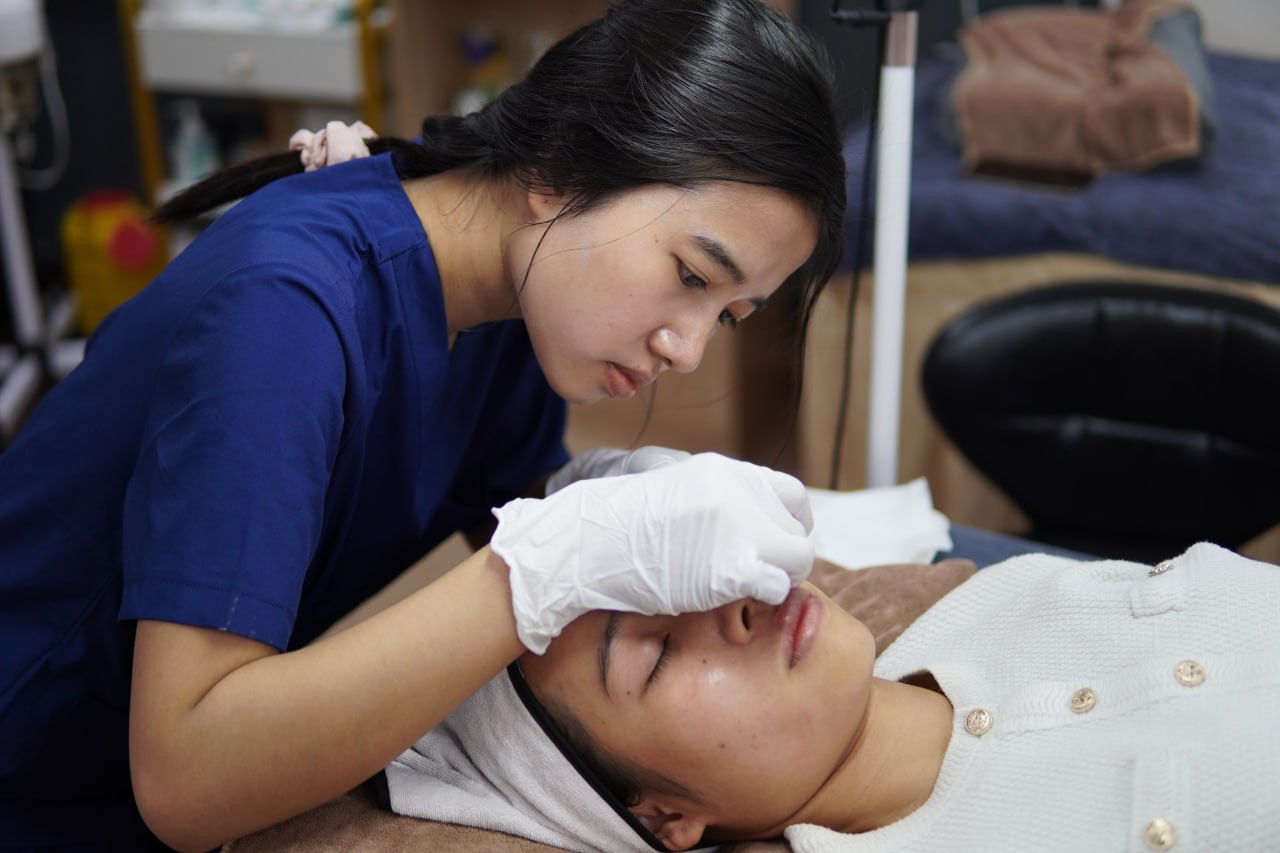
Treatment at DIVA Does Not Take Place Only in the Clinic
Treatment at DIVA Does Not Take Place Only in the Clinic. DIVA Poipet explains Home care protects results and Treatment
Open→
Why Does DIVA Use Only Two Home-Care Systems?
Why Does DIVA Use Only Two Home-Care Systems? DIVA Poipet explains Suggested URL and Understanding the concept.
Open→
What Are Foundation Products, Treatment Products, and Support Products?
What Are Foundation Products, Treatment Products, and Support Products? DIVA Poipet explains Suggested URL and Understan
Open→