When Does DIVA Change the Treatment Stage?
When Does DIVA Change the Treatment Stage? DIVA Poipet explains The skin barrier determines and Recovery does not mean stopping.
Introduction
A treatment plan should not be treated as a fixed schedule regardless of how skin responds. With the same number of sessions, one person may be stable enough to move to a structural or pigmentation objective, while another still needs recovery because of redness, dryness, or inflammation. DIVA changes stages based on real data, not only on time that has passed.
Understanding the concept correctly
Changing a stage means shifting the priority objective, such as moving from inflammation control to dark-mark management, from recovery to more active treatment, or from intervention to maintenance. The change may include adjusting home care, service level, intervals between sessions, or pausing to assess a new reaction.
Why is this important?
Skin does not recover on the same schedule for everyone. Age, level of injury, hormones, sleep, environment, products, and adherence all create different speeds. If the plan changes too early while skin is not ready, the risk of prolonged inflammation and PIH increases. If the plan remains too long in the recovery stage after skin is stable, the main objective may not receive enough impact.
Four principles DIVA uses
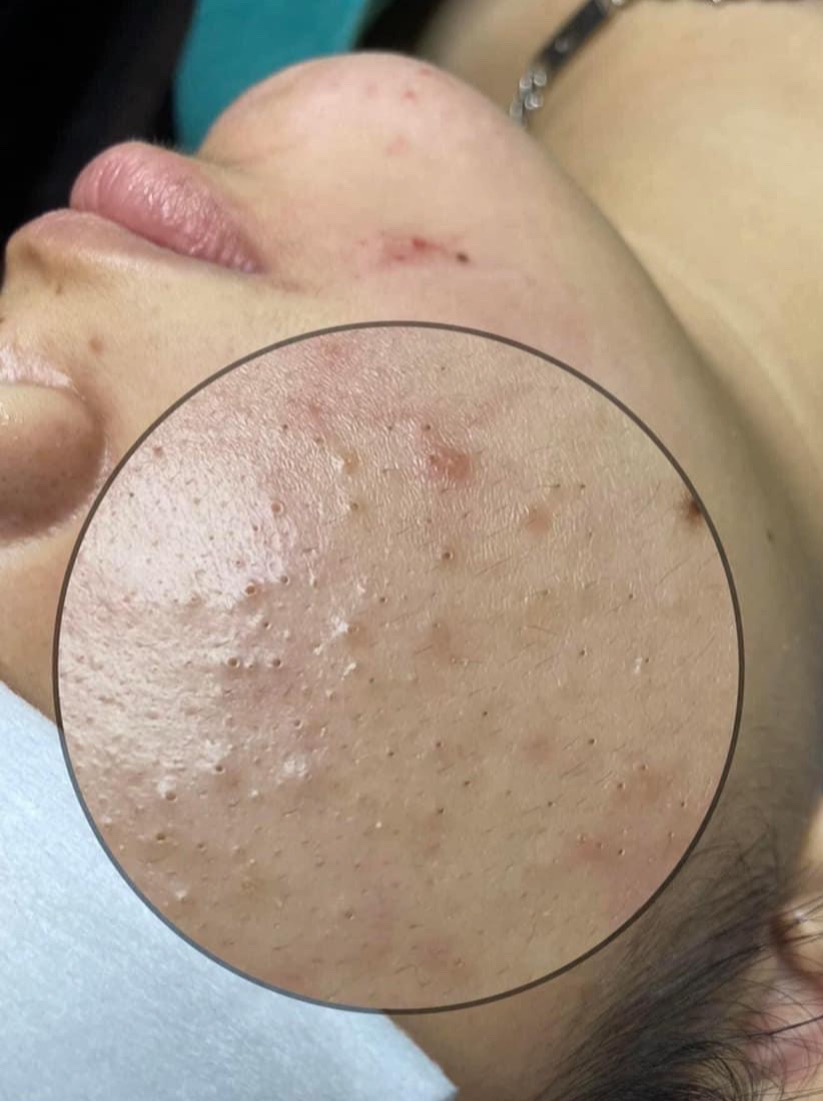
Signs of stability: Reduced redness and burning, less unusual peeling, tolerance of the foundation routine, and no new reactions are important data.
Recovery capacity after the previous session: The time and quality of recovery show whether skin can tolerate a similar level, needs reduction, or can move to a new objective.
The priority concern has changed: When inflammation is controlled, dark marks or scars may become the main objective. When irritation appears, recovery may return to priority.
The client’s objective and conditions change: Budget, recovery time, work schedule, or wishes can lead DIVA to adjust the approach while retaining safety.
How DIVA applies this in practice
DIVA assesses after every session and does not require clients to continue simply because an initial pathway exists. If data shows that a pause, reduction, or method change is needed, the plan needs to change. Conversely, when skin responds well, DIVA can suggest a clear next step rather than repeat a service that is no longer needed.
Common misunderstandings and mistakes
Mistakes include changing stages according to the number of sessions purchased, seeing surface redness resolve and immediately returning to strong treatment, or continuing a familiar method even when results have stalled. Another mistake is changing too frequently before skin has had enough time to respond.
How clients need to cooperate
Clients should report the real progression between sessions, not only send their best or worst photo. Information about when peeling, burning, or new acne occurred, products used, and adherence level helps DIVA make a more accurate decision. When a plan changes, clients have the right to know the reason and new objective.
Limits that need to be clear

There is no one sign that determines a stage change. Some changes need in-person assessment, and some conditions require aesthetic treatment to stop for medical assessment. This article does not publish internal technical criteria or replace individual assessment.
What to remember during follow-up
A clear plan also helps reduce misunderstandings during consultation. Clients know what falls within what can be controlled in the clinic, what needs time, and what depends on daily habits. When results do not happen as initially expected, both sides can return to actual data to adjust rather than hastily conclude that the method is completely ineffective or the skin cannot be treated.
DIVA prioritises clear language rather than using terminology to create an impression of complexity. Clients do not need to memorise detailed biological mechanisms, but they need to understand the reason for each decision. This understanding helps clients see why DIVA sometimes does not perform a service they requested, or why a simple step is prioritised before a stronger technology.
Conclusion
DIVA changes stages when the skin, objective, or real conditions change. A flexible plan is not inconsistent; it keeps treatment aligned with real response rather than a fixed schedule.
Why Some Cases Need Recovery Before Deep Treatment
Why Some Cases Need Recovery Before Deep Treatment
When skin is red, burning, peeling unusually, dehydrated, or reacts excessively to products, continuing to increase intensity commonly does not make results faster. In many cases, tolerance needs to be restored first.
- The skin barrier determines recovery capacity
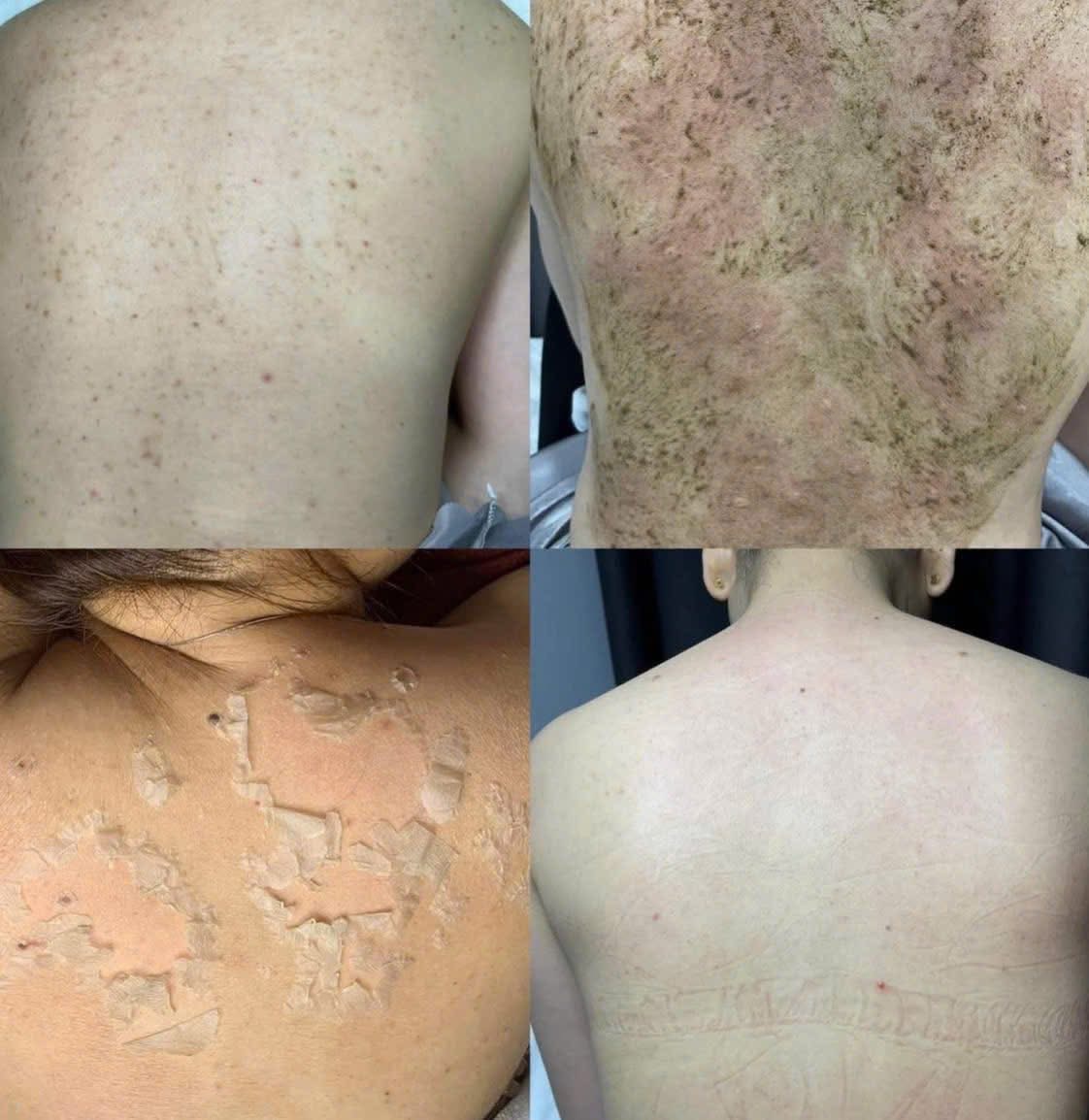
Weakened skin can react more strongly to acids, laser, and microneedling. Deep impact on an unstable foundation increases the duration of redness and burning and the risk of pigmentation.
- Recovery does not mean stopping treatment indefinitely
The objective of recovery is to return skin to a state in which the main plan can continue. It is a step with an objective and endpoint, not delay for an unclear length of time.
- Signs that recovery needs consideration
Persistent stinging, spreading redness, uncontrolled peeling, small bumps after multiple active ingredients, or a recent strong procedure are signs that need reassessment.
- After recovery, the plan still needs to return to the main objective
Once skin is stable, the plan needs to continue toward acne, pigmentation, scars, or ageing. Recovery is only the foundation that makes the next intervention more effective.
DIVA’s Perspective
DIVA does not recover every skin condition using one formula. Recovery is used only when it is a necessary step to continue treatment effectively.
Conclusion
Recovery at the right time helps reduce the need to manage complications and prevents skin from moving farther from the objective.
DIVA Treatment System & Philosophy
How DIVA Skin Clinic Poipet thinks about treatment: a phased system, choosing technology by concern and depth rather tha
Open→
Treatment at DIVA Does Not Take Place Only in the Clinic
Treatment at DIVA Does Not Take Place Only in the Clinic. DIVA Poipet explains Home care protects results and Treatment
Open→
Why Does DIVA Use Only Two Home-Care Systems?
Why Does DIVA Use Only Two Home-Care Systems? DIVA Poipet explains Suggested URL and Understanding the concept.
Open→
What Are Foundation Products, Treatment Products, and Support Products?
What Are Foundation Products, Treatment Products, and Support Products? DIVA Poipet explains Suggested URL and Understan
Open→